Last updated November 21, 2026
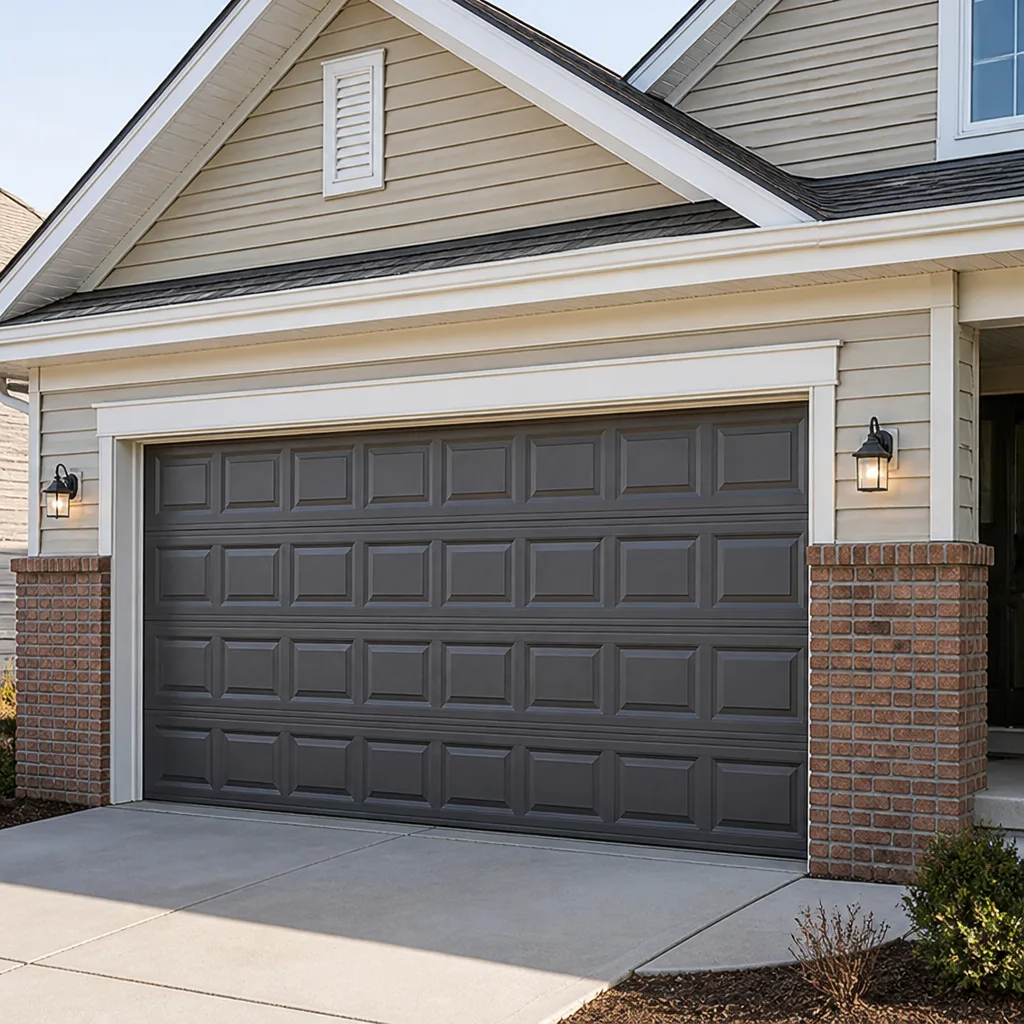 Raised-panel steel
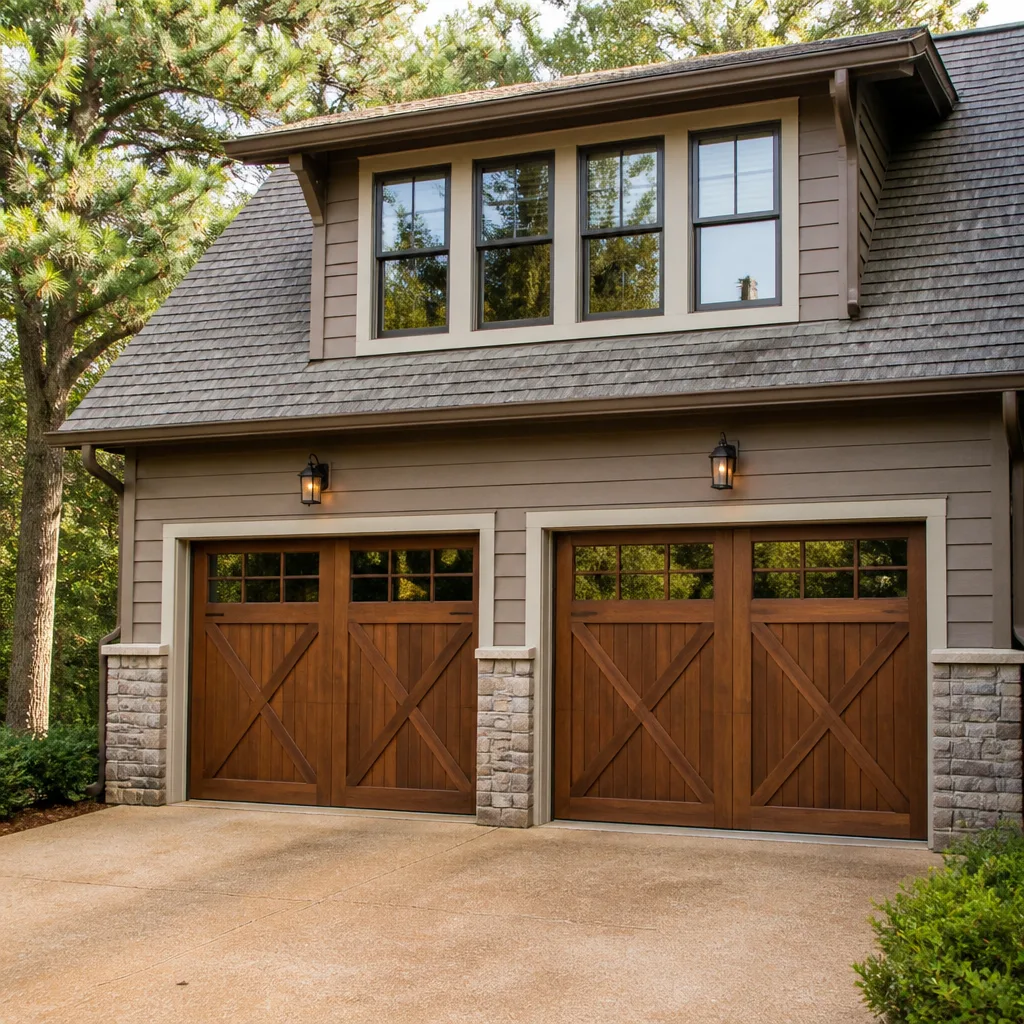 Carriage house
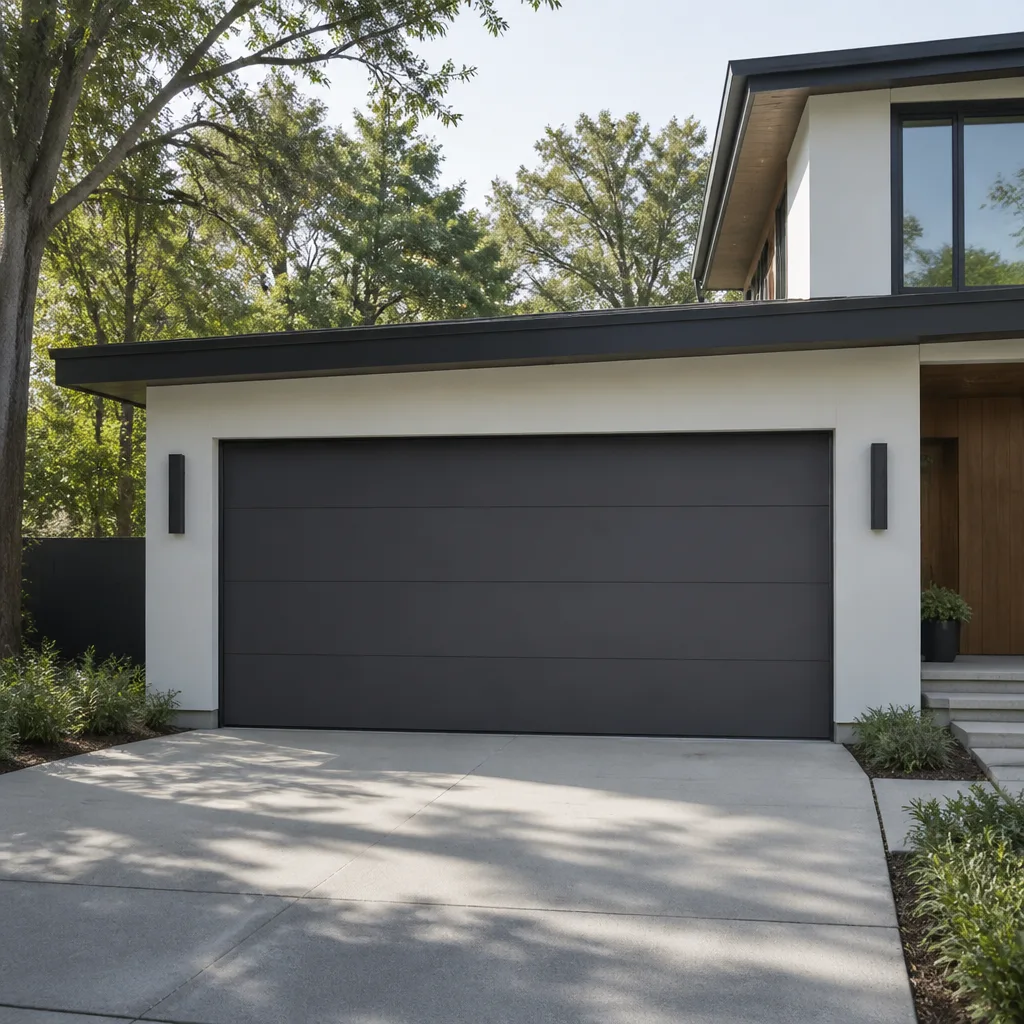 Modern flush
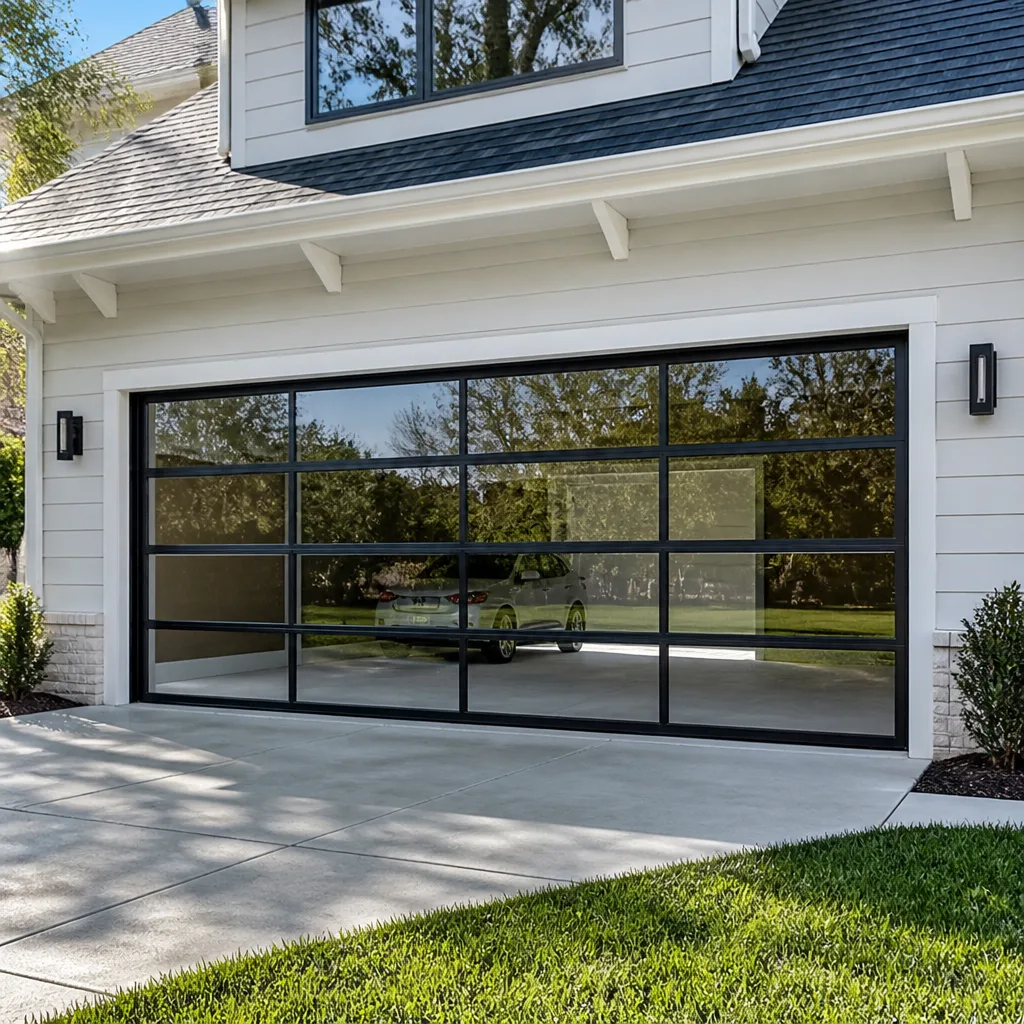 Full-view glass
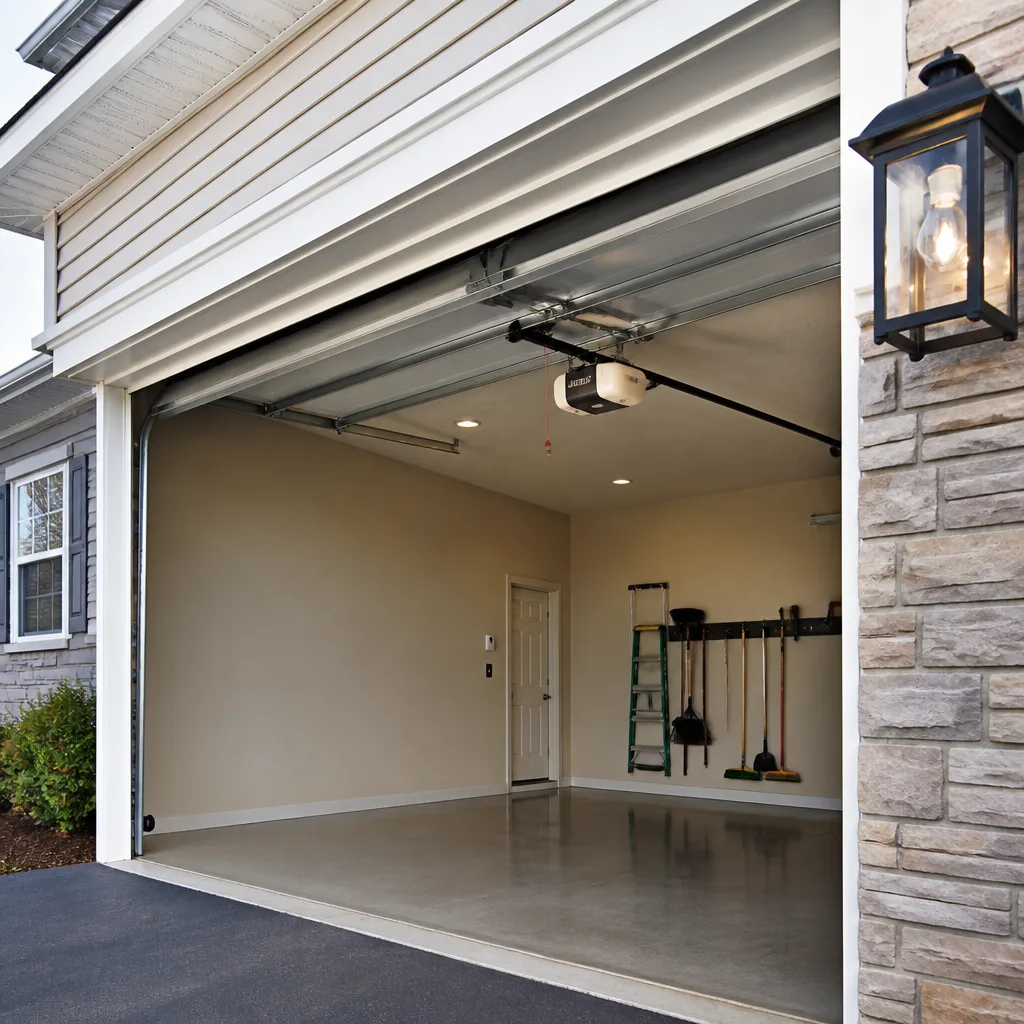 LiftMaster openers
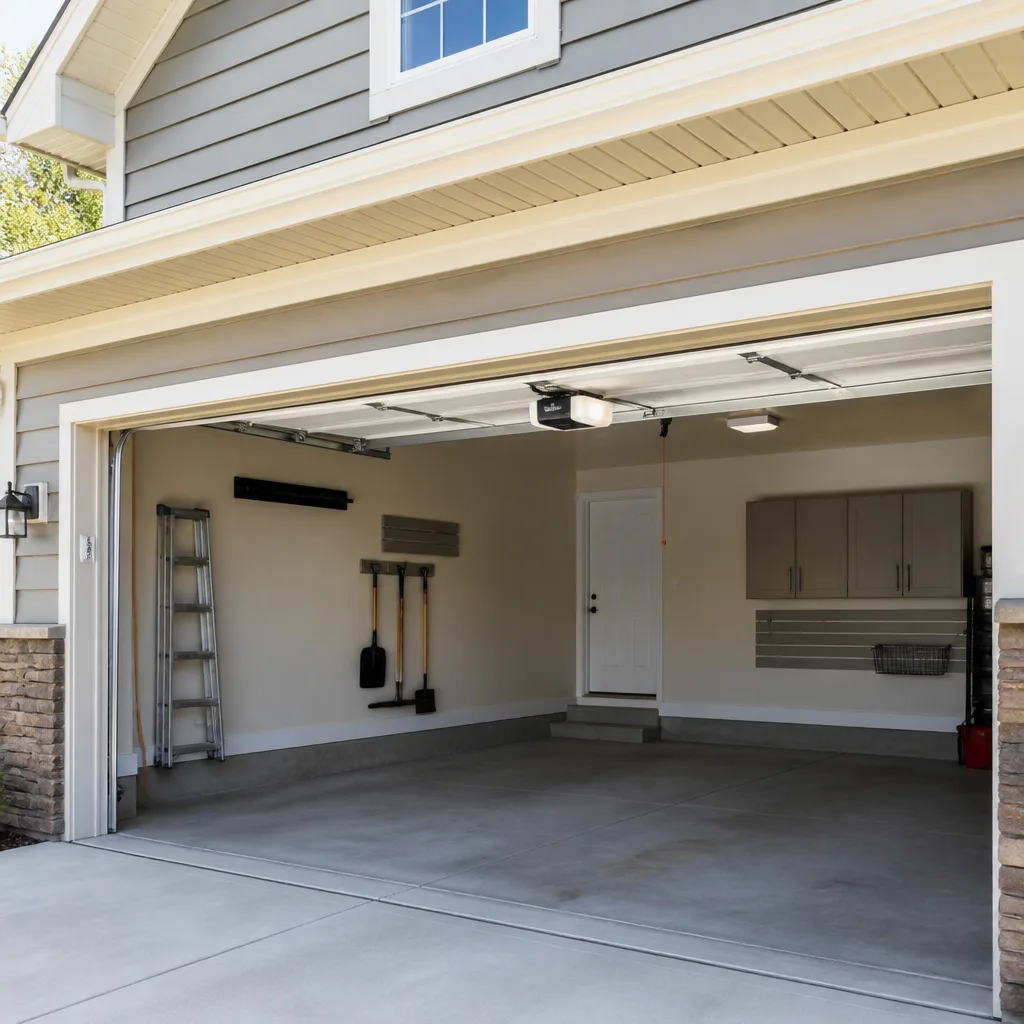 Chamberlain openers
Full 25-point door and opener safety check with every visit - springs, cables, rollers, tracks, and your LiftMaster or Chamberlain opener included
You get a price before we start. It does not change when the pro arrives.
Get your free estimateSeasonal Garage Door Care for Canton: Year-Round Homeowner’s Guide
Canton averages a temperature swing of nearly 100°F between its coldest and warmest months. No other single appliance in your home operates across that range every single day, and most homeowners treat their garage door like it’s weatherproof by default. It isn’t. Cold contracts steel and stiffens grease, the spring thaw exposes what winter loosened, and summer humidity quietly rusts the parts that took the beating. This guide breaks the year into four distinct mechanical environments and tells you exactly what to check, when to check it, and why it matters for a door in Canton.
Quick Answer
Garage door care in Canton follows the seasons: winter is the high-stress window when cold makes springs, cables, and rollers work hardest. Spring is when you inspect for corrosion and freeze damage, summer is when humidity swells wood doors and stresses tracks, and fall is when you seal the door against the cold before it arrives. A little attention at each seasonal turn prevents most of the failures we’re called out for in Canton.
Styles & brands we work with
- Raised-panel steel
- Carriage house
- Modern flush
- Full-view glass
- LiftMaster openers
- Chamberlain openers
Table of Contents
- Winter: The High-Stakes Season for Canton Garage Doors
- Spring: When Winter’s Damage Becomes Visible
- The Road Salt Corrosion Pattern and How to Interrupt It
- Summer: Humidity, Wood Swelling, and the Track Problem
- Fall: Weatherstripping, Seals, and Cold-Weather Prep
- The Annual Cable Inspection Most Homeowners Skip
- Common Mistakes to Avoid
- When to Call a Professional
Winter: The High-Stakes Season for Canton Garage Doors
Winter is the season that punishes a garage door most. Cold metal contracts, lubricant thickens, and every moving part has to work harder to do the same job. The door that glided quietly in October starts to groan, hesitate, or reverse before it closes. None of that is random. It’s the predictable result of temperature on mechanical tolerance.
Torsion springs are the component most affected. A torsion spring is calibrated to lift a specific door weight at a specific tension. When the steel cools, the spring loses some of its lifting force and the opener has to compensate. If your door feels heavier, closes slower, or the opener strains audibly in January, your spring tension may have drifted. You can’t safely adjust torsion springs yourself. That’s a high-tension component under load, and getting it wrong can cause serious injury. If you notice the drift, have a technician check the calibration.
Other winter checks worth doing:
- Listen for grinding or squealing on the first cold open of the day. That’s usually dry rollers or a stiff hinge.
- Watch the balance. Disconnect the opener (pull the release) and lift the door halfway by hand. If it won’t hold, the spring is losing tension.
- Check the bottom seal for ice bonding to the floor. If the door pulls away from the floor unevenly, the seal is compromised.
- Clear snow and ice from the base of the door before opening. Packed snow under the panel puts strain on the bottom section and the opener.
Winter in Canton isn’t unusually brutal, but it’s cold enough, long enough, to matter. The door runs the same cycle dozens of times a week in temperatures that make the steel less forgiving. A pre-winter tune-up, including lubrication and balance, is the cheapest prevention you can buy.
Spring: When Winter’s Damage Becomes Visible
Spring is the season homeowners notice problems that actually developed in January and February. The door starts making noise it didn’t make before, or the opener reverses for no clear reason, or the bottom of the door looks off. That’s not new damage. It’s the same damage finally showing up now that the temperature has warmed and the metal has expanded back.
This is the right time of year to do a real inspection. Winter loosened things; spring is your chance to catch them before summer humidity makes them worse. Here’s a simple inspection sequence:
- Open and close the door once slowly and listen. Note any grinding, popping, or uneven travel.
- Look at the springs above the door (the coil assembly on the header). If you see a visible gap in the coil, a spring has broken and needs replacement.
- Check the rollers along both tracks. Any roller that wobbles, cracks, or spins unevenly is a candidate for replacement.
- Run your hand along the bottom seal (with the door closed and the opener disconnected). You’re feeling for cracks, hardening, or separation from the panel.
- Examine the hinges at each panel joint. Loose or bent hinges are usually the source of the “pop” you heard.
Do not attempt to adjust or replace springs or cables yourself. Those are the parts that cause the worst injuries in this trade. If your inspection turns up a broken spring, a frayed cable, or a door that won’t balance, that’s the moment to schedule garage door repair rather than wait for it to fail completely. In Canton, spring failures cluster in the late winter and early spring for exactly this reason: the cold finally finished what the season started.
The Road Salt Corrosion Pattern and How to Interrupt It
Road salt is the quietest threat to a garage door in Canton, and it works in a predictable pattern. Salt from your car and the driveway gets tracked onto the door’s bottom section and the bottom brackets every time the door opens and closes. The salt holds moisture against the metal. That’s what accelerates rust on the parts that touch the ground first: bottom brackets, bottom rollers, and the bottom hinge at each panel joint.
By the time you can see rust, the corrosion has usually been at work for weeks. The interruption point is early spring, once the salt is off the roads and the door dries out. Here’s what helps:
- Rinse the bottom section and the bottom brackets with a hose after the last road-salt day of the season. Plain water, not a pressure washer.
- Wipe down the bottom rollers and hinges with a dry cloth. Then apply a light coat of garage-door lubricant, not WD-40, to the hinges and roller stems only.
- Inspect the bottom brackets for pitting or flaking paint. If the finish is compromised, the metal is exposed and will rust again next winter.
- Keep the bottom seal clean. Salt trapped under the seal holds moisture against the bottom panel all summer.
The pattern we see on doors in Canton is consistent: bottom brackets and bottom rollers go first, then the bottom hinge, then the paint on the bottom panel. If you catch it in April or May, a cleaning and relubrication usually stops it. If you catch it in September, you’re often replacing the affected parts. The other thing worth noting: the same salt residue ends up in your opener’s chain or belt track, and a gritty track will wear the opener motor faster than any other single cause. Wipe the rail down when you wipe the door.
Summer: Humidity, Wood Swelling, and the Track Problem
Summer humidity in Canton does something to wood garage doors that most homeowners don’t anticipate: it swells the panels. Wood takes on moisture through the summer, and the individual panels grow a few thousandths of an inch. Multiply that across five or six panels and the door no longer fits the opening the way it did in March. The result is binding, uneven travel, and a door that seems to catch on one side.
There’s a narrow adjustment window in early summer, before the swelling has fully settled. If you notice the door catching or dragging in late May or June, have the tracks checked and the hinges adjusted. Waiting until August means the wood is at its full summer dimension and the adjustment won’t hold the same way; waiting until September means you’re adjusting a door that’s about to shrink again and undo the work.
Summer checks worth doing:
- Look at the vertical tracks on both sides. If they’ve spread or the hinges have loosened, the door can bind against the track.
- Test the door balance by hand (opener released) and see if it holds position.
- For wood doors, watch for swelling at the bottom panel first. That’s where moisture rises from the concrete.
- Check the opener’s travel limits. A door that swells in June can trigger a reversal that looks like a sensor problem but isn’t.
Summer is also when a garage door opener repair request spikes, partly because humidity makes the motor and the chain work harder and partly because swollen doors strain the opener. If your opener is straining in the heat, the door is usually the cause, not the motor. Diagnosing by brand matters here, because a LiftMaster and a Craftsman with the same symptom often need different fixes.
Fall: Weatherstripping, Seals, and Cold-Weather Prep
Fall is your last chance to seal the door before winter finds the gaps. Weatherstripping is the rubber or vinyl seal along the sides and top of the door, plus the bottom seal that meets the floor. When it fails, cold air and moisture get in, the door runs harder, and you get drafts into the garage. The seal matters more than most homeowners realize: it also keeps out the snow and the road salt you’re trying to keep off the door.
Testing seal integrity is easy and takes about a minute. Close the door fully. Take a dollar bill and try to pull it out from between the door and the frame at several points along the sides and top. If the bill slides out with no resistance, the weatherstripping isn’t sealing. Do the same test at the bottom of the door. If the bill slides out from under the bottom seal with no drag, the seal needs replacement.
When replacement is worth it before winter:
- The seal is cracked, hardened, or separated from the door panel.
- The dollar bill pulls out easily at two or more locations.
- The bottom seal is compressed flat and no longer reaches the floor.
- You can see daylight under the door when it’s closed.
Replacing weatherstripping is inexpensive and can be done before the first cold snap. It’s one of the highest-value fall tasks in this trade, and it’s routinely skipped. The other fall task: have the door balanced and lubricated so it enters winter with the least possible strain on the springs and opener. A door that enters winter tight and quiet usually gets through it without a breakdown. A door that enters winter loose, dry, and unbalanced is the one that calls in the emergency service request in January.
The Annual Cable Inspection Most Homeowners Skip
Cables are the one component most homeowners never look at, and they’re the part whose failure is most dangerous. Cables are under extreme tension and run from the bottom corner of the door up to the spring system. When a cable frays or breaks, the door can drop suddenly, and that’s a serious safety event. A damaged cable is not a repair for a homeowner to attempt.
You can inspect cables without touching them. Look at the cables that run vertically along the sides of the door from the bottom bracket up. What you’re looking for:
- Frayed strands. A healthy cable is a tight, uniform bundle of wire. Frayed strands look like a worn brush.
- Kinks or bends. A kinked cable is already weakened and can snap without warning.
- Rust along the length. Rust weakens the wire and usually means road salt found it.
- Cables that have jumped the drum. The drum is the spool at the top of each side; a cable sitting off the spool is a failure waiting to happen.
If you see any of those, stop using the door. Don’t try to remove or reattach a cable yourself; the tension that makes them work is the same tension that makes them dangerous. In our experience across Canton, a cable inspection once a year, usually in spring, catches the majority of cable problems before they become emergencies. Pair it with the spring check and the roller check and you’ve covered the three components that account for most failures.
Common Mistakes to Avoid
- Assuming the door is weatherproof. The door is a mechanical system that runs through every weather cycle. It needs lubrication, balance, and seals the same way a car does. Once a year isn’t too often.
- Adjusting spring tension yourself. Torsion springs are under extreme tension. Homeowners who try this end up in the emergency room, not with a fixed door. Call a technician for any spring adjustment.
- Using WD-40 as garage door lubricant. It’s a solvent, not a lubricant. It thins the grease that’s actually protecting the hinges and rollers. Use a proper garage door lubricant.
- Skipping the dollar bill test in fall. A weatherstrip that fails in October costs more to fix in January once the cold has hardened it further and the door has started running harder.
- Ignoring the bottom brackets in spring. They’re the first thing road salt attacks, and if you leave them through spring and summer, you’re replacing them instead of cleaning them.
- Assuming Canton’s climate is mild on the door. A 100°F swing is hard on metal, springs, and wood. The door feels it even when you don’t.
- Waiting until failure to schedule service. A jammed door on a winter morning is a bad way to start the day. A pre-winter service is a cheap alternative.
When to Call a Professional
Some things a homeowner can check; some can’t be safely touched. Call a technician when the door won’t balance by hand, when a spring is broken or visibly separated, when a cable is frayed or off the drum, when the door has come off the track, or when the opener reverses without a clear obstruction. Also call when the door is older and has never had a professional service, because the first inspection usually finds something worth fixing. Canton Garage Door Repair Co offers free estimates in Canton. Our technicians have up to 12 years of experience and work on eight major brands, including Wayne Dalton, LiftMaster, and Craftsman, so they diagnose by brand rather than by guesswork. Call (877) 764-8983 and we’ll give you a written price before any work begins.
Frequently Asked Questions
Once a year, ideally in fall before winter. Fall catches the wear from summer and prepares the door for the coldest months. Pair it with a spring check in late winter or early spring if you want to cover both high-stress seasons.
Cold contracts the steel and stiffens the grease, so the same door takes more force to lift. If it feels significantly heavier, your spring may have lost tension. Call a technician to check the balance rather than adjusting the spring yourself.
Yes, for the hinges, rollers, and the opener chain or belt. Use a proper garage door lubricant, not WD-40. Do not lubricate the tracks; they’re meant to run dry. Leave the springs and cables alone.
It’s common. Wood absorbs humidity and swells, and the panels can bind against the tracks. The adjustment is usually made in early summer before the swelling fully settles. If it’s sticking badly, have a technician look at it.
It tells you whether the weatherstripping is still sealing. Close the door and try to pull a dollar bill out from between the door and the frame at several points. If it slides out with no resistance, the seal needs replacement before winter.
Yes. Cables are under extreme tension and fail without warning, and a broken cable can drop the door. A visual inspection once a year, usually in spring, catches most problems. Don’t touch a frayed or off-drum cable yourself; call a professional.
The Bottom Line
Canton’s four seasons each stress the garage door differently, and the seasons hand off damage from one to the next if you don’t catch it. Winter loads the springs and the opener. Spring exposes the salt damage. Summer swells the wood and binds the tracks. Fall is your chance to seal the door before the cycle starts again. Do the inspection, do the lubrication, test the weatherstripping with a dollar bill, and let a technician handle the springs and cables. If you’re not sure where your door stands, a seasonal check is the simplest way to find out. For garage door installation or service at any stage of the door’s life, Canton Garage Door Repair Co is one call away at (877) 764-8983.
Written by the team at Canton Garage Door Repair Co.
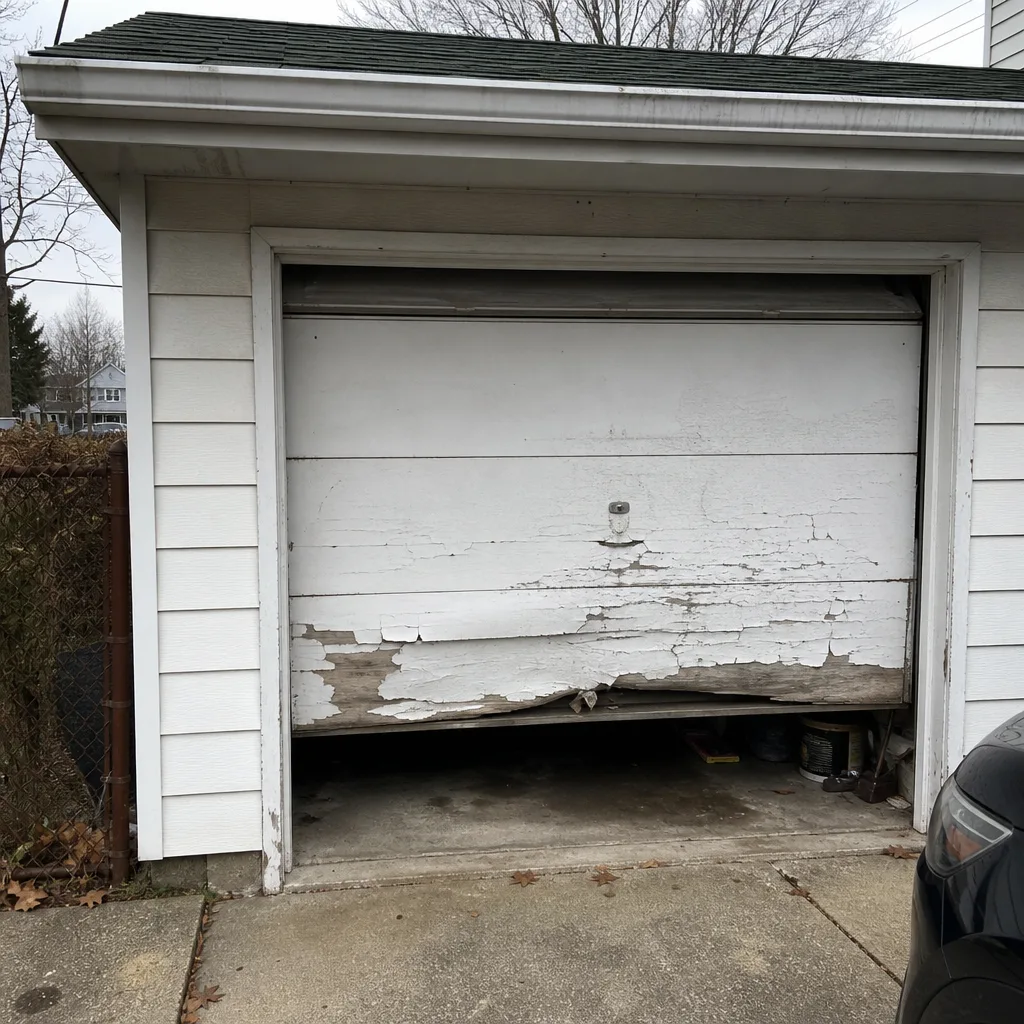
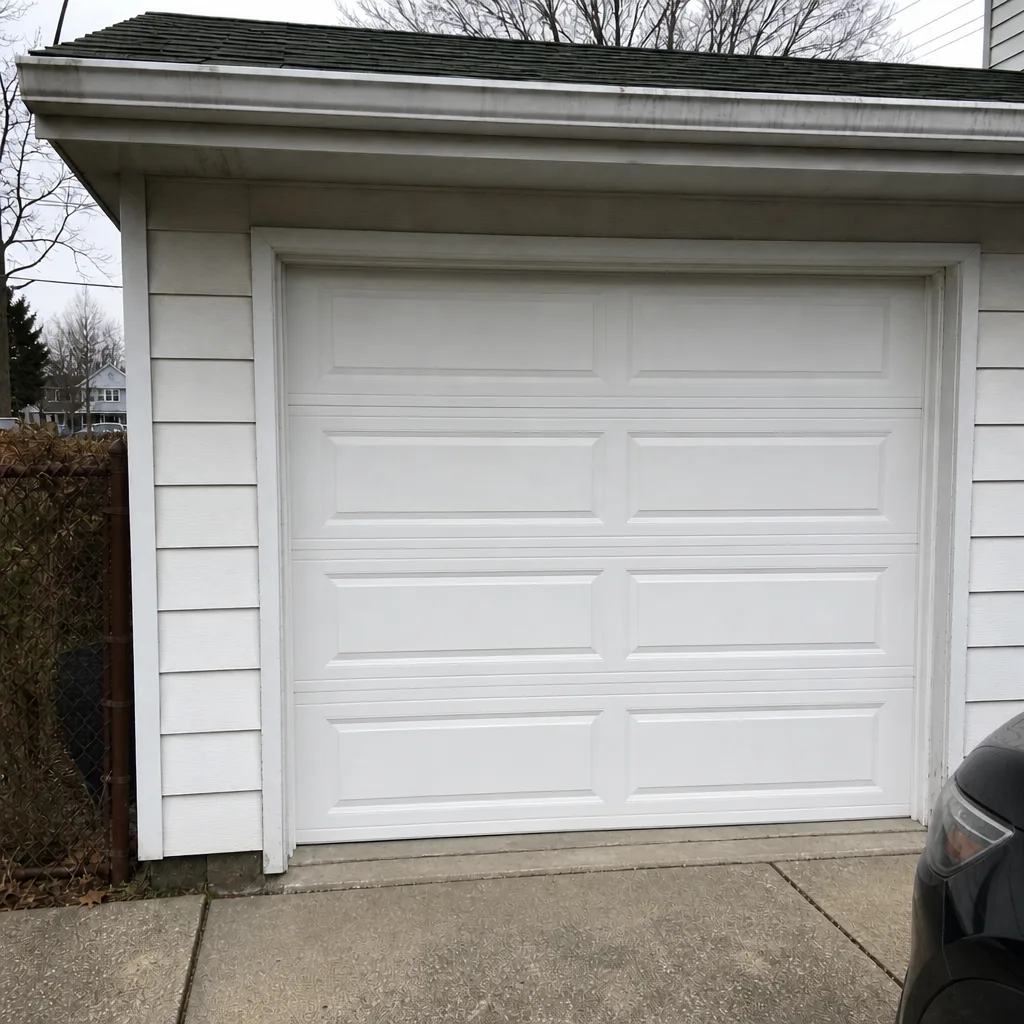
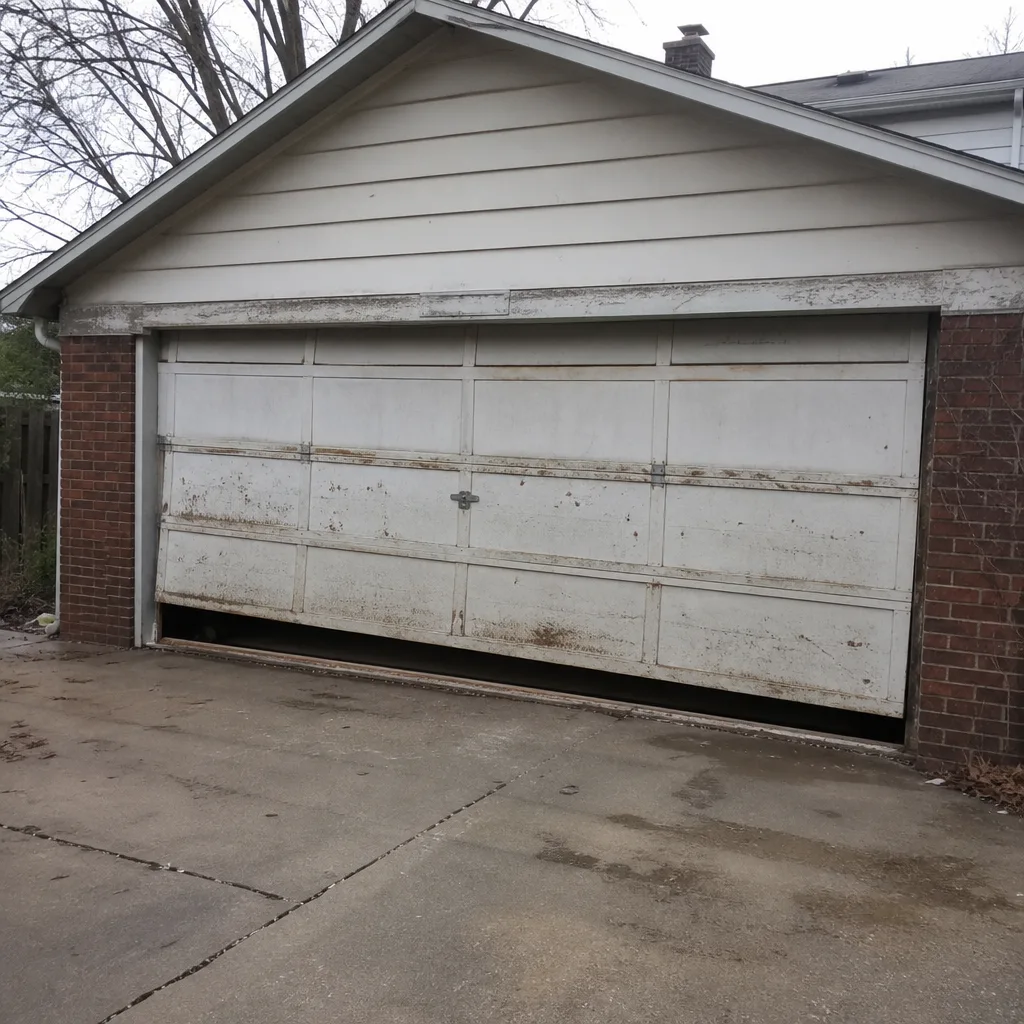
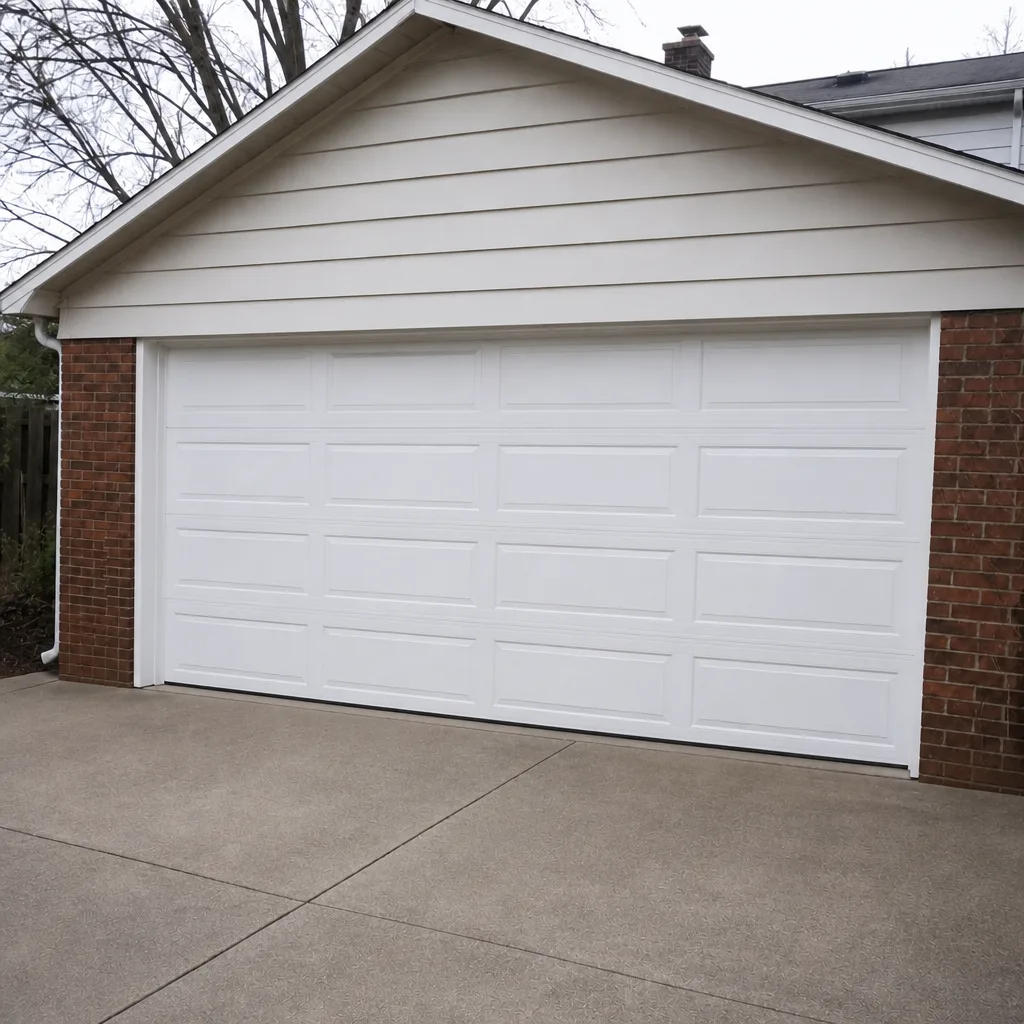
See the difference
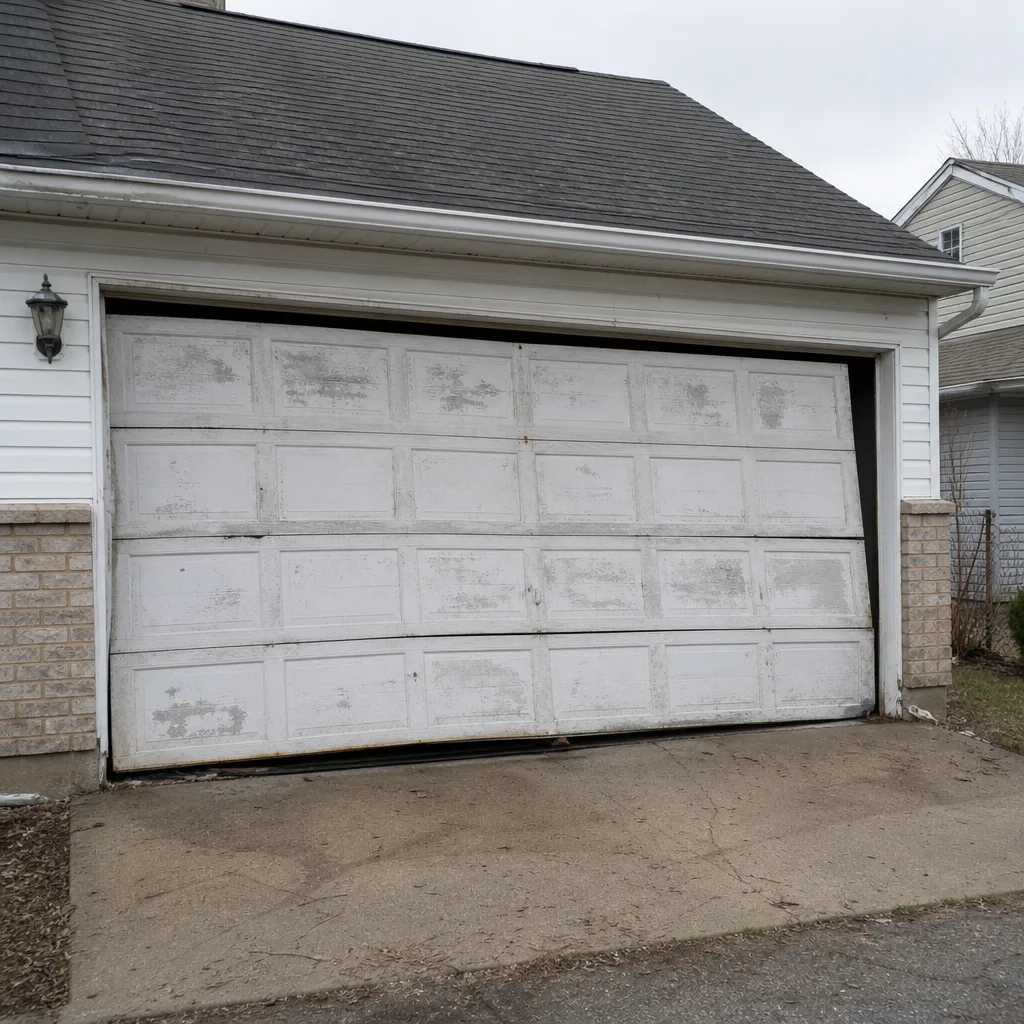 Before
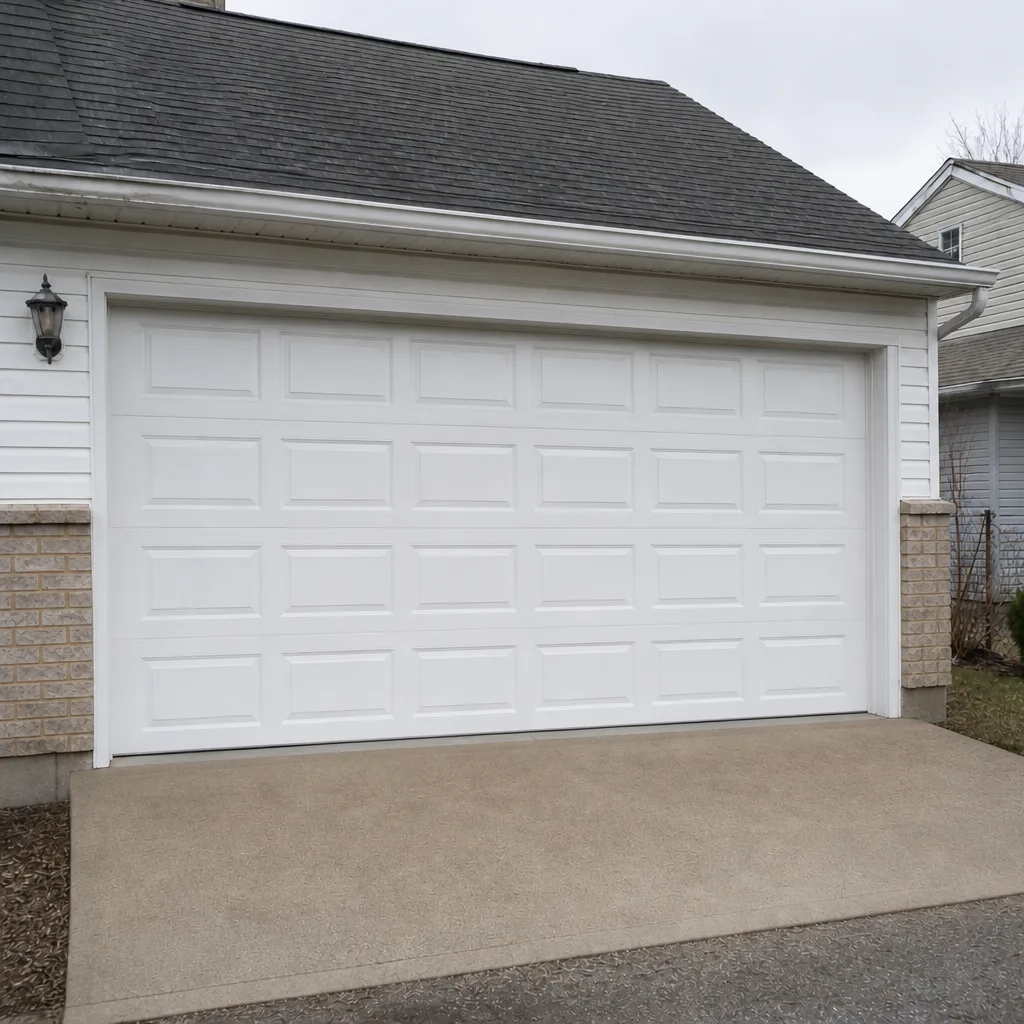 After
 Before
 After
 Before
 After