Last updated November 21, 2026
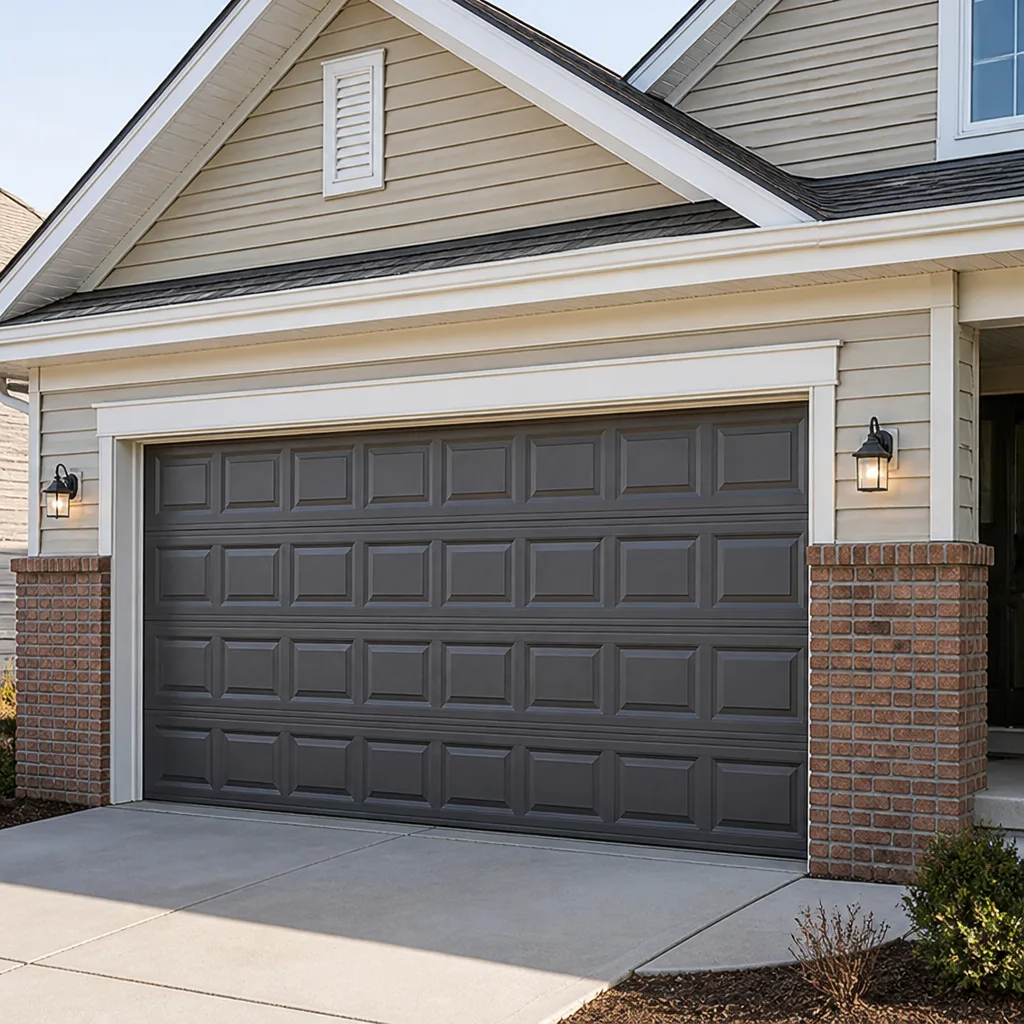 Raised-panel steel
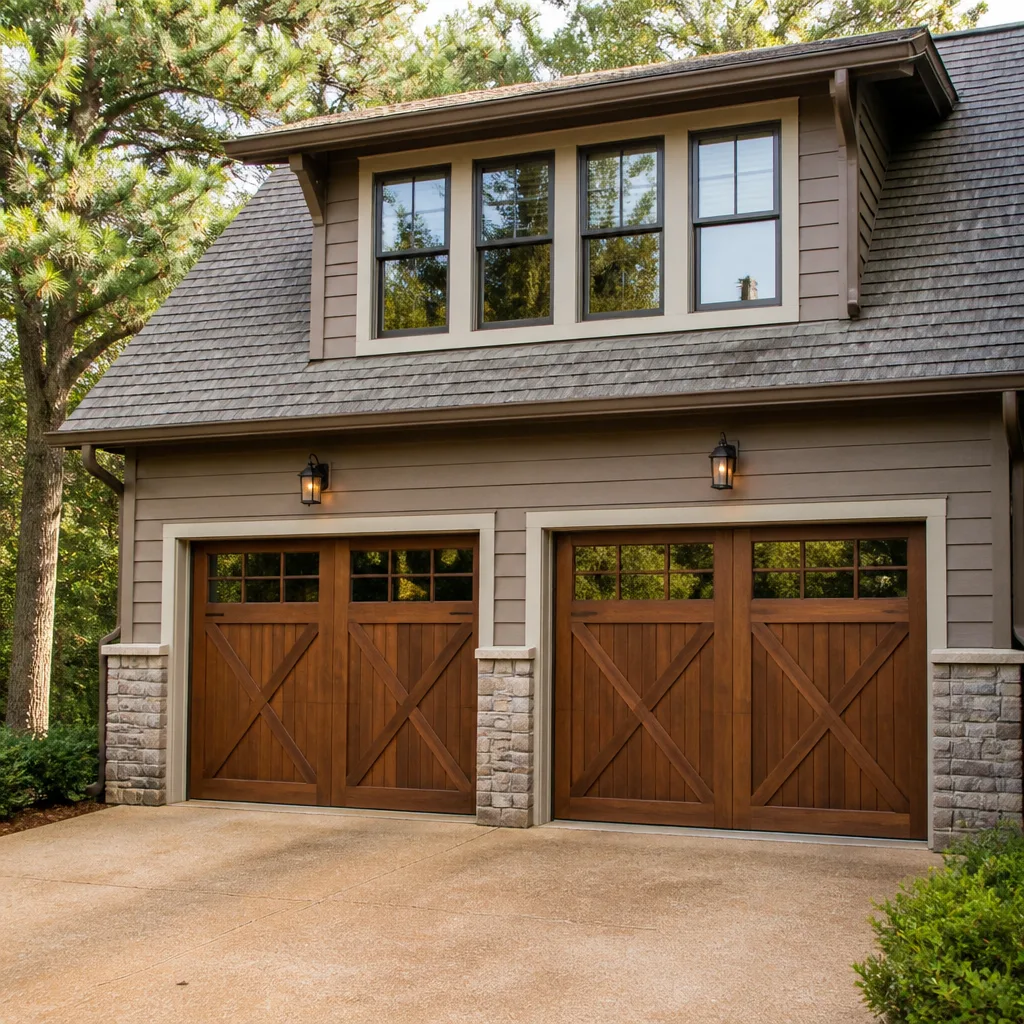 Carriage house
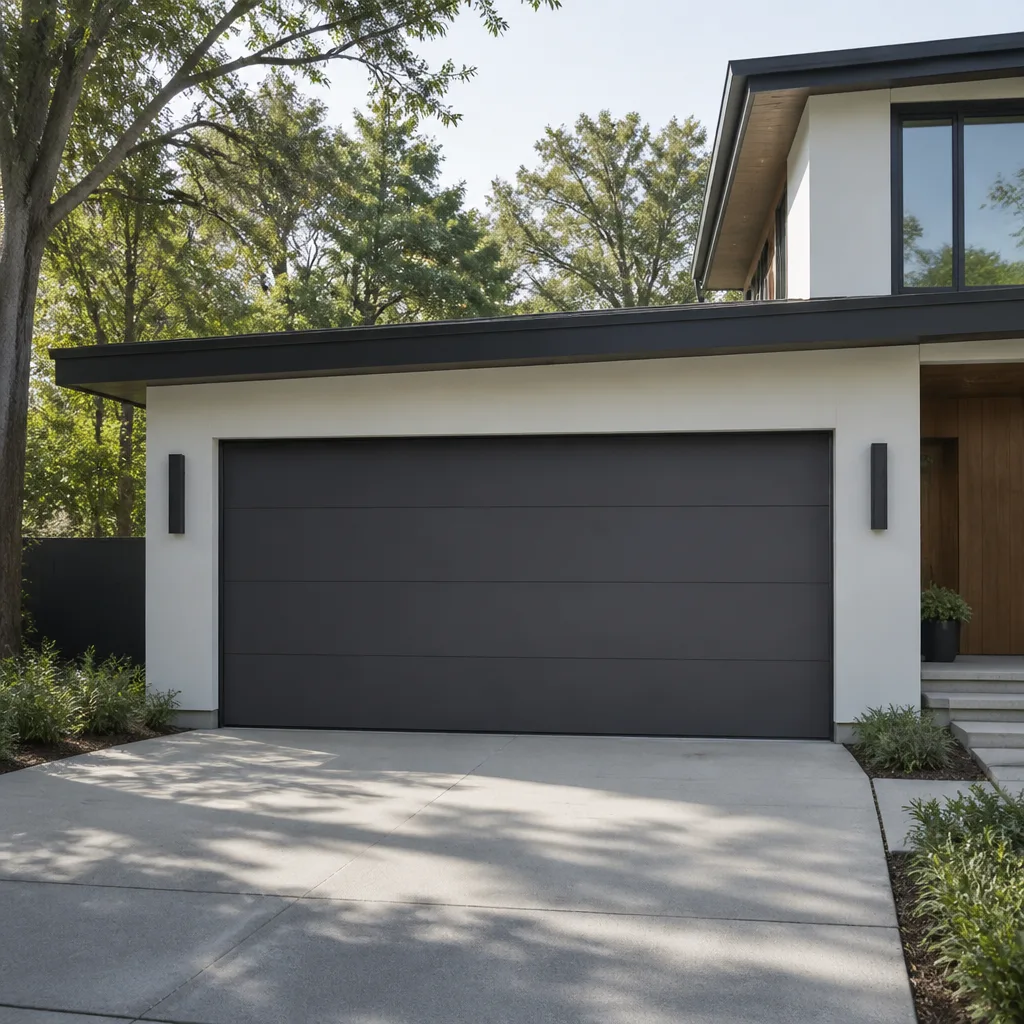 Modern flush
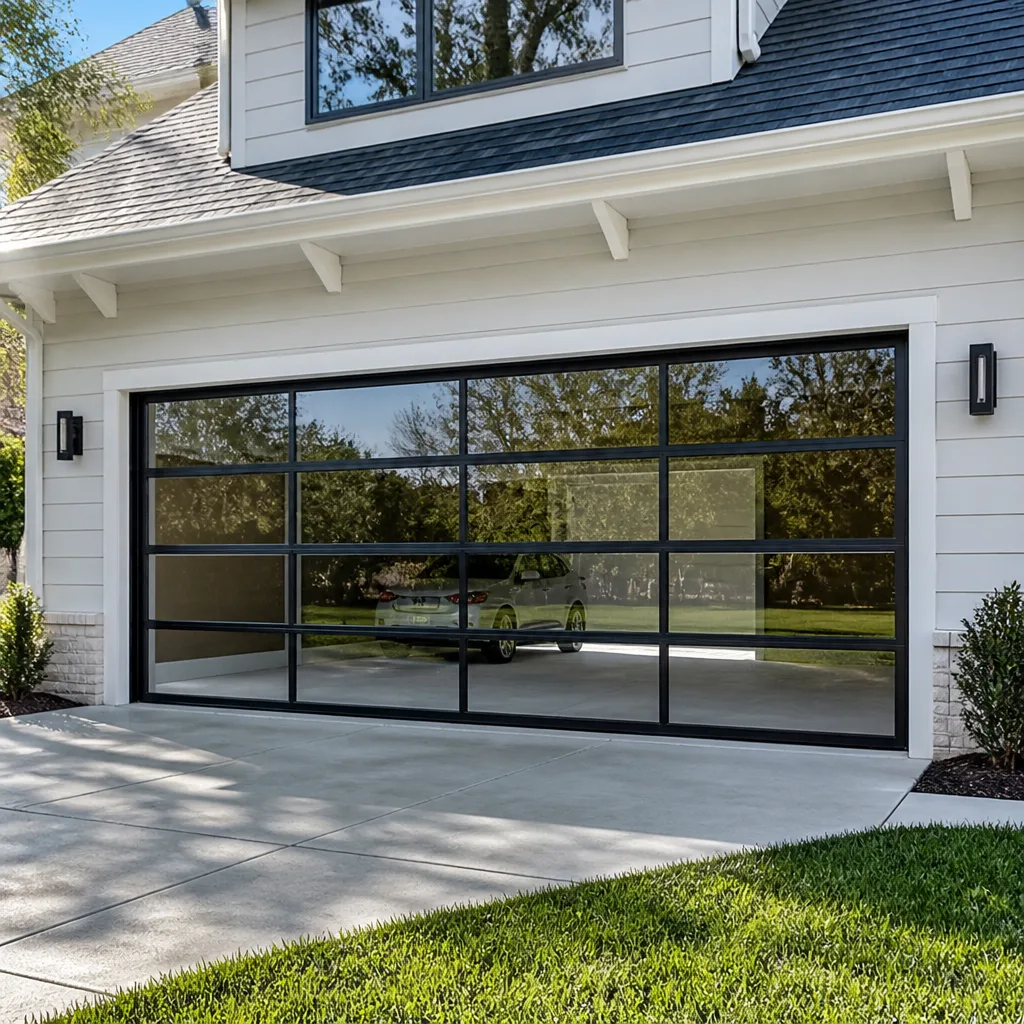 Full-view glass
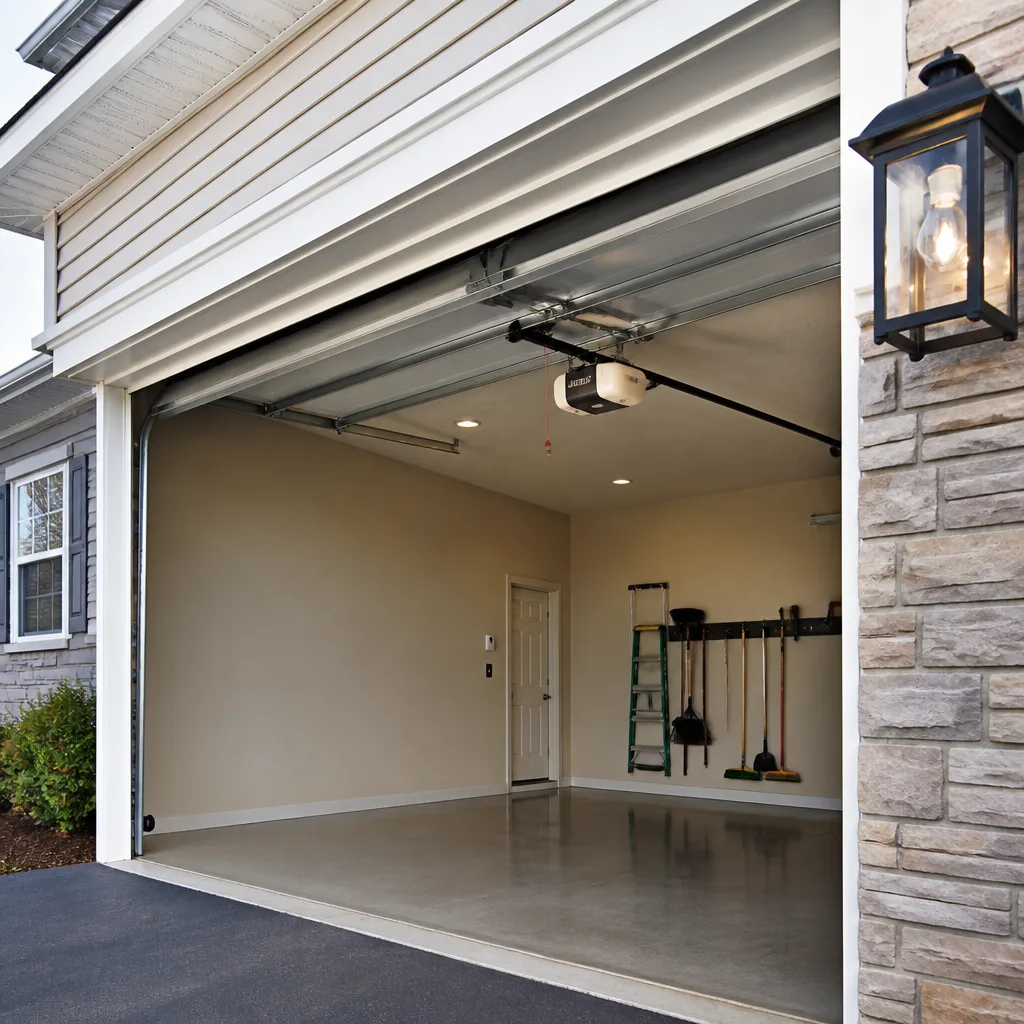 LiftMaster openers
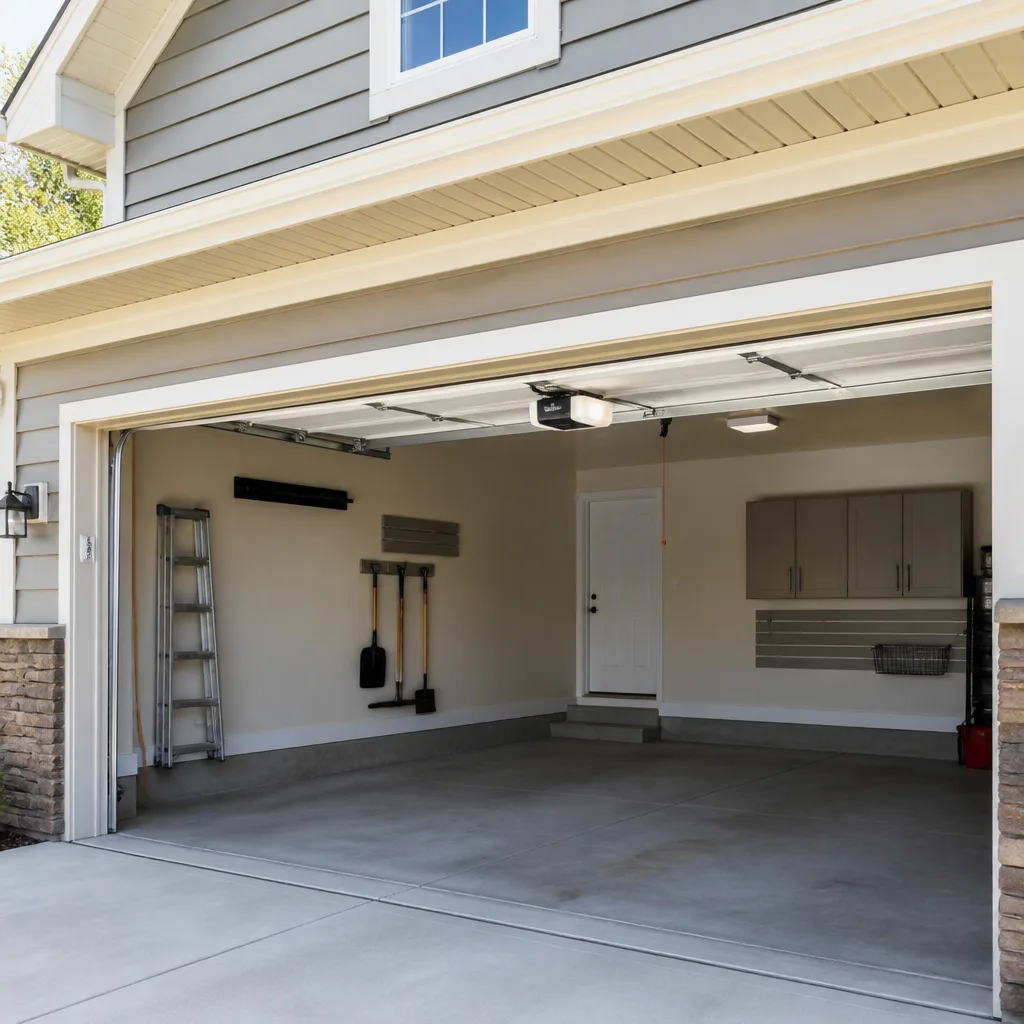 Chamberlain openers
Full 25-point door and opener safety check with every visit - springs, cables, rollers, tracks, and your LiftMaster or Chamberlain opener included
You get a price before we start. It does not change when the pro arrives.
Get your free estimateThe Complete Guide to Garage Doors in Canton
Most garage door guides are written for a theoretical homeowner in a theoretical climate. Canton doesn’t work that way. A door here spends its life cycling between wet, freezing winters and humid summers, and the garage attached to a 1970s split-level in Plain Township was never built to the same dimensions as a new build out near the Stark County line. When we walk up a Canton driveway, the door in front of us is a product of this city’s weather and this city’s housing stock, not the generic specs in a manufacturer’s brochure. This guide connects the three things that actually decide whether a door lasts here: what it’s made of, how it fits your garage, and who installs it. By the end you’ll know which door type suits Canton’s climate, how to size springs and openers for an attached garage, and why the difference between a specialist and a handyman shows up years later in your warranty.
Quick Answer
For a Canton home, an insulated steel garage door in the 24 to 27 gauge range paired with a correctly sized torsion spring system and a belt-drive opener rated for the door’s actual weight is the combination that holds up best to Stark County’s freeze-thaw cycles and humid summers. Wood doors and undersized openers are the two most common sources of premature failure we see in this climate. The right choice depends less on brand hype than on matching the door, springs, and opener to your specific garage dimensions and your home’s construction era.
Styles & brands we work with
- Raised-panel steel
- Carriage house
- Modern flush
- Full-view glass
- LiftMaster openers
- Chamberlain openers
Table of Contents
- Why Canton’s climate changes what your door needs
- How freeze-thaw cycles affect door materials
- Canton’s housing stock and which doors fit it
- Sizing springs and openers for insulated garages
- Brands and supplier availability in Stark County
- Specialist versus handyman: why it matters for warranty
- A Canton-specific maintenance schedule
- Safety: what you should never attempt yourself
Why Canton’s climate changes what your door needs
Canton averages about 111 inches of snow a year and it gets that in a pattern that matters more than the total: repeated melt during the day, refreeze at night. That cycle is harder on a garage door than a colder climate that stays frozen, because ice works its way into seams, hinges, and the bottom seal and then expands. The door itself takes the load every time the temperature drops.
Add Stark County’s road salt practice. When you pull a salted car into a garage with an unsealed or poorly sealed threshold, that salt stays on the floor and fogs up onto steel hardware. It’s not coastal marine corrosion – Canton is inland and we never see the salt-ceiling failures that coastal markets report – but the road-treated wet that gets pulled in on a daily basis still accelerates rust on hinges, rollers, and the bottom bracket.
Here’s what that means in practice for a Canton garage door:
- Bottom seals fail early. Wet freeze-thaw cycles tear up vinyl and rubber bottom seals faster than a dry climate would. Inspect yours yearly.
- Steel hardware rusts from the ground up. Rollers, hinges, and the bottom corner brackets go before the panels do. This is corrosion from the floor, not from above.
- Lubrication schedules are tighter. Every moving metal part wants a proper garage door lubricant (not WD-40) each season, and winter into spring is the critical transition.
- Openers age faster. The motor works harder against a heavier, stiffer door in cold weather. A marginal opener will fail in a Canton February.
None of this is dramatic. It’s simply the reality that a door here works on a tougher cycle than a door in Phoenix. When you’re choosing a new door or deciding whether to repair versus replace, the climate is the frame that everything else hangs on.
How freeze-thaw cycles affect door materials
Canton’s freeze-thaw cycle is the single biggest reason we recommend steel over wood for this market, and the reason gauge matters. A thin 28 or 30 gauge steel skin dents and deforms under repeated thermal expansion and contraction, and once a panel warps it stresses the whole track. A heavier 24 to 27 gauge steel door holds its shape through the cycles and resists the small impacts of daily life far better.
Steel
Insulated steel is the default recommendation for Canton. The steel skin is dimensionally stable across the temperature swings, the insulation keeps an attached garage warmer in winter and cooler in summer, and the finish holds up if you clean it. Look at gauge: 24 to 27 gauge is the range where doors last here. Cheaper steel doors at 28 gauge and up are common in big-box sales and they’re the ones we see dented and buckling in five to eight years.
Wood and wood-composite
Wood is where most Canton regrets live. Wood absorbs moisture, expands in humidity, shrinks in the dry heat, and its seams pull open and trap ice in the thaw. A well-built wood door can last here if it’s finished and maintained religiously, but that’s a maintenance commitment most homeowners don’t want. If aesthetics are the priority, wood-composite and carriage-house style steel look-alikes give you the profile without the warping.
Aluminum and glass
Full-glass aluminum doors are beautiful and poorly suited to a Canton garage that carries any weight. Aluminum is the most thermally active of the common door materials, and glass panels are fragile in the freeze cycle. They’re an option for a heated, finished space, not for a working attached garage.
What to check on your existing door
- Run a straightedge along the top of each panel – daylight shows warping.
- Look for rust around hinges and the bottom brackets, not just the panels.
- Check that the bottom seal touches the floor evenly, with no gap along the sides.
- Push against the door in the middle; it should feel solid, not oil-canned.
For owners deciding between repair and replacement, our garage door repair specialists can tell you which panels are worth fixing and which signal a structural problem.
Canton’s housing stock and which doors fit it
Canton’s residential housing stock is dominated by homes built between the 1960s and the 1990s, and a good share of those have attached garages that were designed to a standard the door industry has since changed. If your home is in that era, you’ll want to know that the ceiling height, the header depth, and the structural opening all constrain what will fit without modification.
What we routinely find in Canton’s older attached garages:
- 7-foot doors with low headroom. Many 1960s and 1970s builds have a track that runs tight to the ceiling. A standard high-lift conversion needs structural work, so low-headroom hardware is the correct answer.
- Non-standard widths. A 1960s two-car attached garage might measure 15 feet or 15 feet 6 inches rather than the modern 16 feet. Order a door against the actual measured opening, not the one you guessed.
- Rotted or undersized header. When we remove the old door for a garage door installation, we sometimes find the header was never built for the weight of an insulated door. That’s a general contractor’s job to fix, not a door installer’s.
- Single-car garages with a side-facing door. Plenty of Canton homes have a side-entry garage where a higher insulation value pays for itself quickly.
The practical takeaway: measure the structural opening, not the trim. Measure the ceiling to the top of the opening for headroom. Check the depth of the jamb. Then choose a door and hardware package that fits those real numbers. A two-car door in a 1975 Canton home may want a 15-foot 6-inch size with a low-headroom torsion setup, and that’s a completely workable combination once it’s measured right.
Sizing springs and openers for insulated garages
Springs and openers are where the mismatch between insulated and uninsulated doors quietly destroys hardware. An insulated door weighs meaningfully more than an uninsulated door of the same size – the difference in the door panel or assembly weight is what the spring and the opener must lift every cycle. Size the springs and the opener for the actual door, or you shorten their working life from the day they’re installed.
How springs are sized
A torsion spring is matched to the door’s weight, the door’s height, and the drum radius on the shaft. Get any one of those wrong and the door will either strain to open or drop too fast. In Canton’s climate, cold weather stiffens the springs and increases cycle stress, so a marginal spring size that would survive in a mild climate fails here sooner. Springs are rated by cycle count, and a quality oil-tempered or galvanized spring will outlast a cheap import.
How openers are sized
Opener rating is about the door’s weight and how well the door is balanced. A tired door that isn’t balanced loads the opener constantly. The right sequence for a Canton garage is:
- Weigh or reference the door’s actual weight, not a category guess.
- Verify springs are matched to that weight and to the door height.
- Balance the door so it lifts with roughly even hand pressure along the travel.
- Then size the opener to the balanced load with a margin for cold-weather stiffness.
Belt-drive openers are quieter and hold up better against the strain of a heavier insulated door. Chain-drive units are durable but noisier. Smart-openers like certain LiftMaster and Chamberlain models integrate with home apps and remote access, which is a reason we see homeowners ask about them in Canton. When an existing opener starts to strain or reverse inconsistently, garage door opener repair is often a cheaper route than replacement – but only after the door balance is verified, because a misdiagnosed opener problem is usually a door problem.
Insulated versus uninsulated: the sizing table
- Single-car insulated door (roughly 8 to 9 feet wide): matched spring pair, opener rated for the panel’s actual weight with margin.
- Two-car insulated door (roughly 15 to 16 feet wide): heavier spring pair, higher-capacity opener, and put the opener on a dedicated circuit.
- Single-car uninsulated door: lighter counterparts – but don’t size the springs to the “uninsulated” category if the door has been changed.
- Two-car uninsulated door: the common case where a homeowner upgrades to insulated later – springs must be re-sized as part of the upgrade.
Brands and supplier availability in Stark County
Brand availability in the Canton and Stark County market matters for a practical reason: parts and panels. If a door panel, hinge, or opener part has to ship from out of state, a two-day repair becomes a two-week repair. Working with a specialist that already covers the major brands keeps the repair local and the return visit rare.
We work on eight of the most widely installed brands in North America: LiftMaster, Chamberlain, Genie, Clopay, Amarr, Wayne Dalton, Craftsman, and Raynor. Each brand has its own quirks – Raynor’s commercial track systems and Clopay’s panel profiles are different animals, and diagnosing a Genie opener versus a Chamberlain is easier when you already know the parts catalog. That kind of brand-specific knowledge reduces trial-and-error and the second visit that follows a wrong guess.
What that means for Canton homeowners:
- For openers, LiftMaster and Chamberlain are the most common in this market, and Genie and Craftsman units turn up regularly in older Canton homes.
- For doors, Clopay and Amarr insulated panels are widely specified, and Raynor is common on commercial and larger residential doors.
- Online marketplaces sell doors and openers cheaply, but parts and warranty support for those units in Stark County are inconsistent. Buying online is fine if you’re confident about fit and installation; it’s a poor choice if you’re not.
The brand matters less than the fit. A well-matched door and opener installed correctly will outperform a premium brand installed with the wrong springs. That’s why we ask about the brand before we ask about the budget.
Specialist versus handyman: why it matters for warranty
A handyman with a truck can hang a door. The difference between that and a specialist shows up in three places: diagnosis, spring work, and warranty.
Diagnosis. A specialist reads the symptom against the whole system. A door that reverses on closing might be an opener sensor, a misaligned track, a bottom-seal obstruction, or a balance problem, and each has a different fix. Guessing is expensive. Our technicians diagnose by brand-specific knowledge rather than a shotgun of parts swaps.
Spring work. High-tension torsion springs are the most dangerous component on a residential garage door. General handyman services often decline spring work, and it’s not the kind of job to hand to whoever answers the phone. Spring work requires proper winding tools, a trained technician, and the discipline to keep hands clear of the torque. This is the repair where a specialist is not optional.
Warranty. This is the quiet one. When a door or opener is installed by a non-authorized party, the manufacturer’s warranty may be voided or limited. That shows up years later when a panel cracks or a motor fails and the replacement falls on you. A single specialist that handles repair, opener repair, spring repair, and full installation keeps the whole system under one roof – one call, one visit, and no subcontracting out for specialty work. That’s why the choice of installer is as much a warranty decision as a price one.
If you’re weighing whether to keep an older door or replace it, our full guide to repairing versus replacing a Canton garage door walks through the decision point in detail.
A Canton-specific maintenance schedule
A garage door in Canton needs more attention than the “once a year if you remember” advice you’ll see elsewhere, because the freeze-thaw cycle and road salt compress the maintenance year. Here’s the schedule we recommend for this climate.
Monthly (five minutes)
- Watch the full open and close cycle – listen for grinding or stutter.
- Check the safety reverse: put an object in the door’s path and confirm it reverses.
- Wipe the bottom seal with a damp cloth to clear salt and grit.
Seasonally (spring and fall)
- Lubricate hinges, rollers, and springs with a garage door lubricant.
- Check all bolts and lag screws in the track and opener bracket for tightness.
- Inspect the bottom seal for tears, especially after snow-melt season.
- Look for rust starting on hinges and the bottom brackets – treat it early.
Yearly
- Have a specialist check spring tension, balance, and cable condition.
- Check the panels for warping along the top edge.
- Check that the opener’s force and travel limits are still set correctly.
The winter-to-spring transition is the highest-risk window in Canton, and the fall check is what prevents a January failure. If you’ve let it slip for a couple of years, a professional tune-up is the fastest way to get back on schedule.
Safety: what you should never attempt yourself
A garage door has two genuinely dangerous components: the high-tension springs and the cables. Both store enormous energy, and both can cause serious injury when they release unexpectedly. A torsion spring under load releases violently if a winding bar slips or the wrong tool is used, and the wound cable can snap with the force of a whip. We don’t publish step-by-step instructions for spring replacement, and neither should anyone else.
What you can do safely:
- Watch the door operate and note any change in motion or sound.
- Lubricate accessible hinges and rollers.
- Test the safety reverse.
- Keep the area clear of objects and children during operation.
What you should call us for: a snapped spring, a door that won’t open or close evenly, a door that drops fast, a binding track, a cable that has come off its drum, or an opener that strains or reverses at random. These are trained-technician problems, not weekend projects.
Common Mistakes to Avoid
- Buying a big-box door on category specs alone. Two “16-foot insulated steel” doors can weigh differently enough to change the spring and opener you need. Measure the actual opening and check the panel weight before you commit.
- Ignoring gauge. A 28 gauge door will fit and run – until the freeze-thaw cycles start denting and buckling it. In Canton, 24 to 27 gauge is the range worth paying for.
- Putting a new opener on a door that isn’t balanced. The opener will work, then wear out early. Balance the door first, then size the opener.
- Skipping the bottom seal. The seal is where water, ice, and salt enter the garage. A torn seal lets all three in and quietly rusts the bottom hardware.
- Assuming a warranty covers a handyman install. Manufacturer warranty terms usually assume an authorized installation. Confirm before you sign.
- Letting wood doors go unsealed. If you keep a wood door in Canton, the finish is what keeps it alive – not the wood itself.
- Calling a generalist for spring work. Spring repair is the one job you should route to a specialist without debate.
See the difference
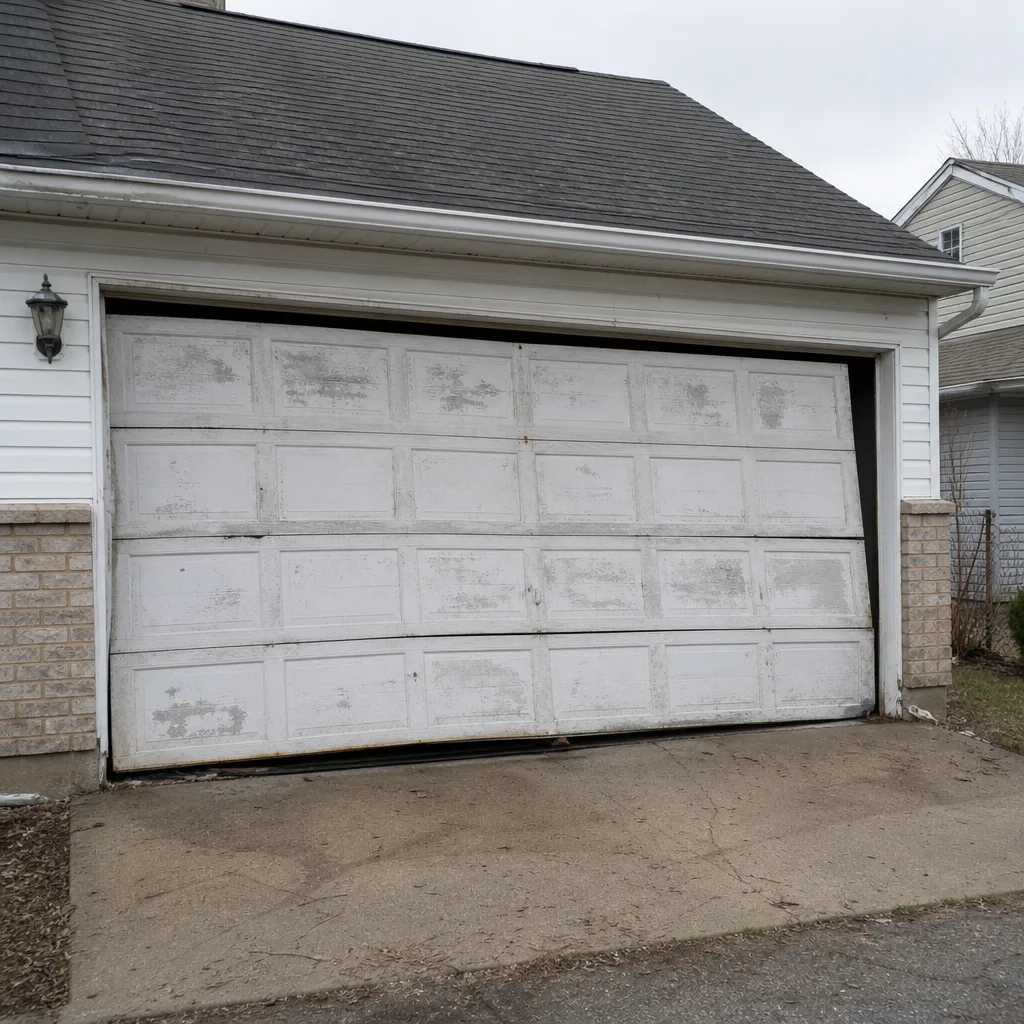 Before
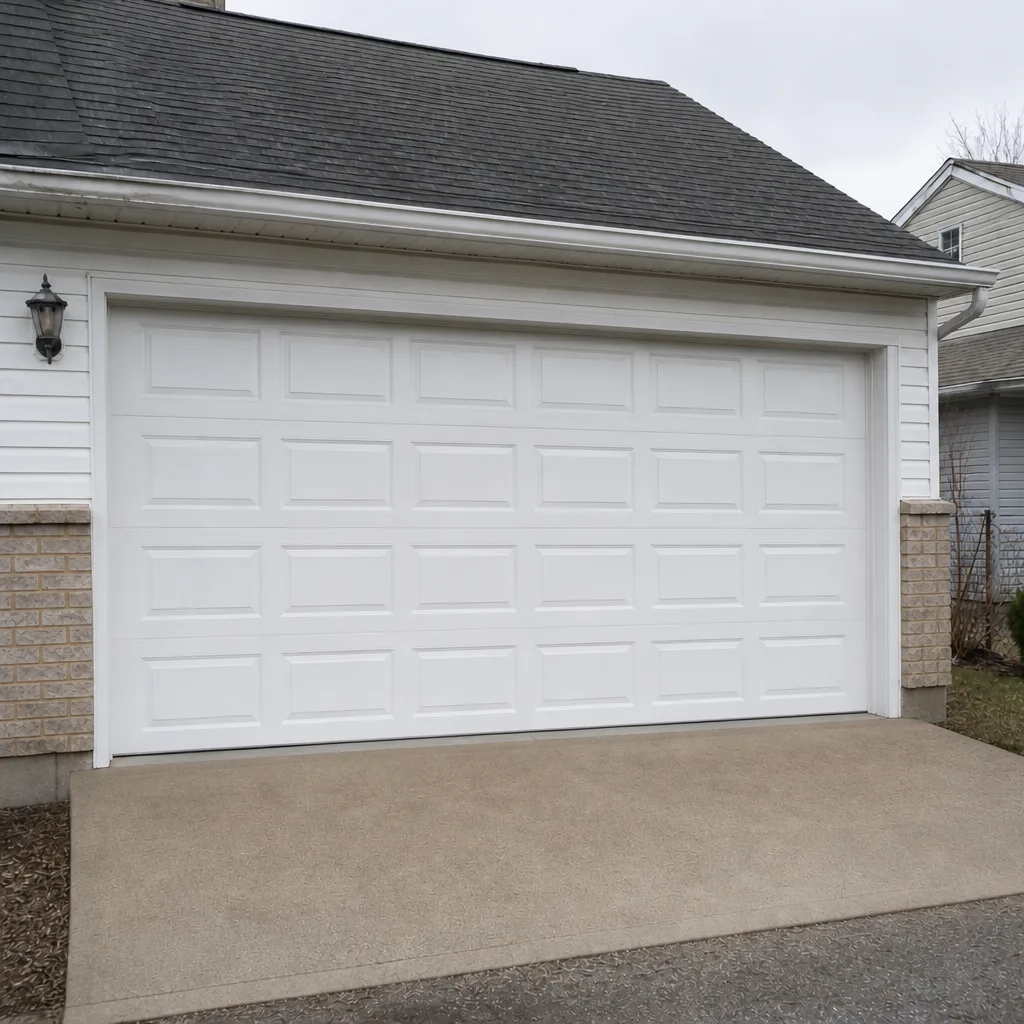 After
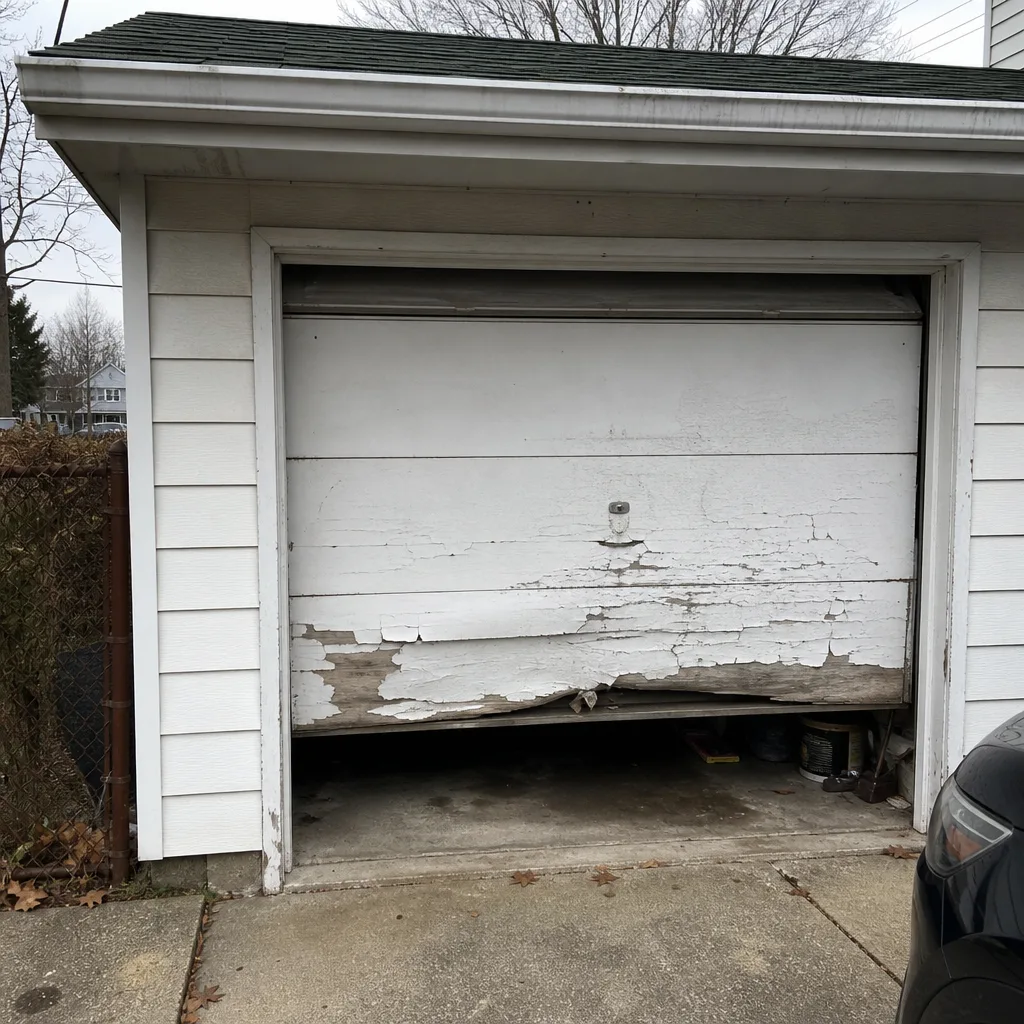 Before
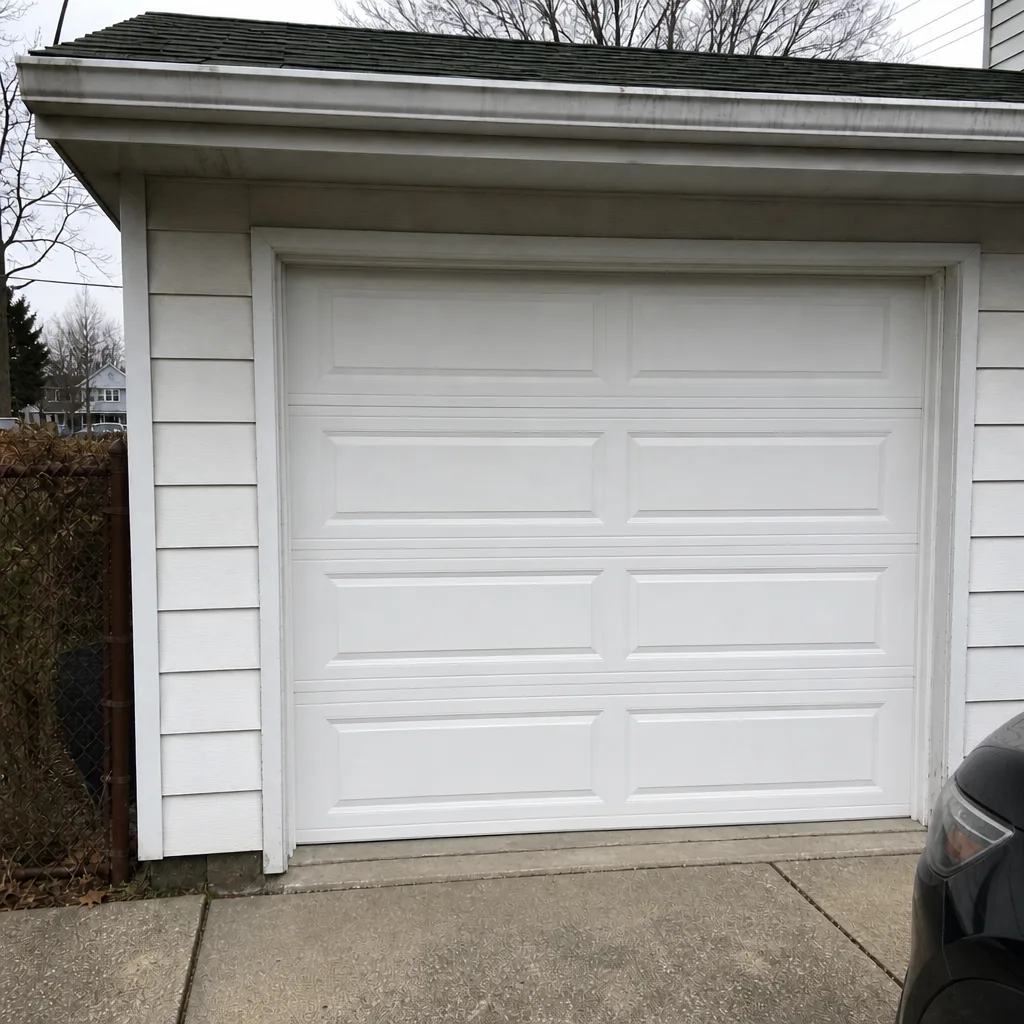 After
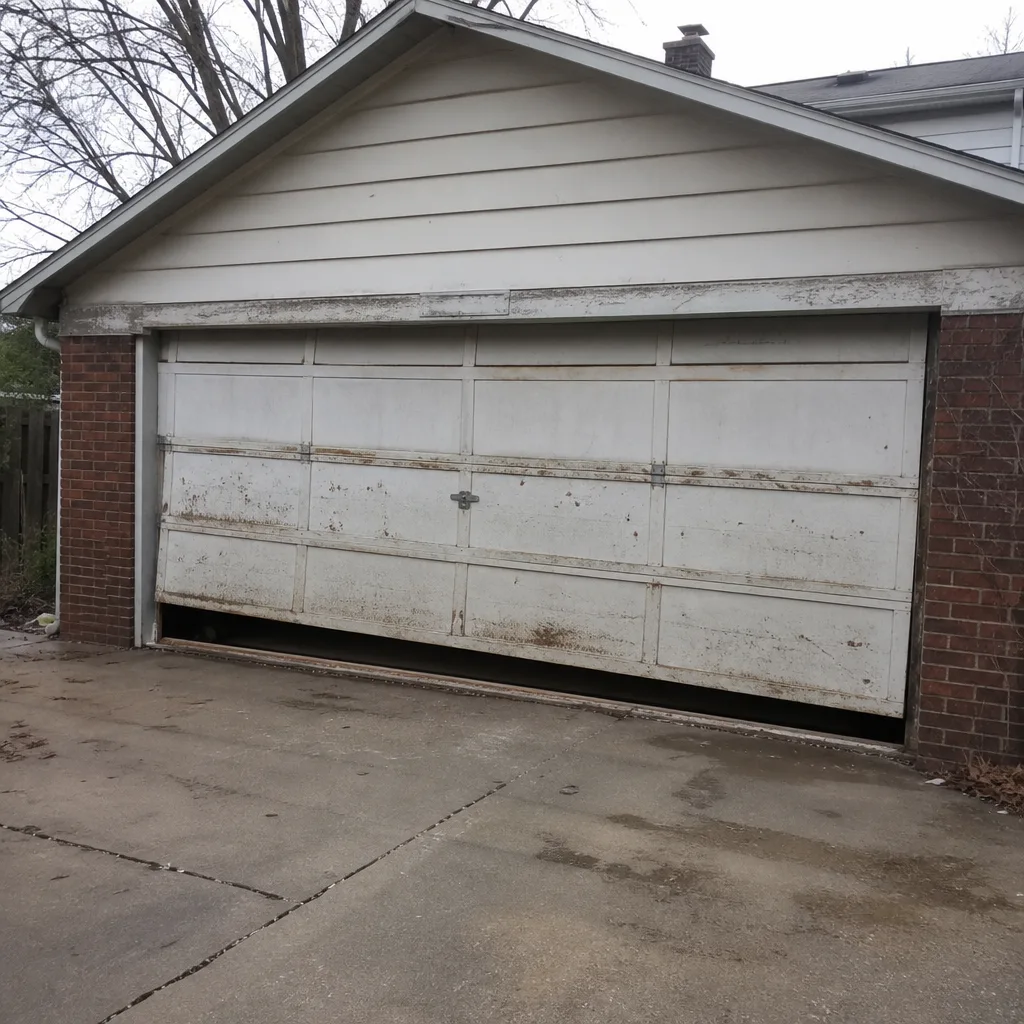 Before
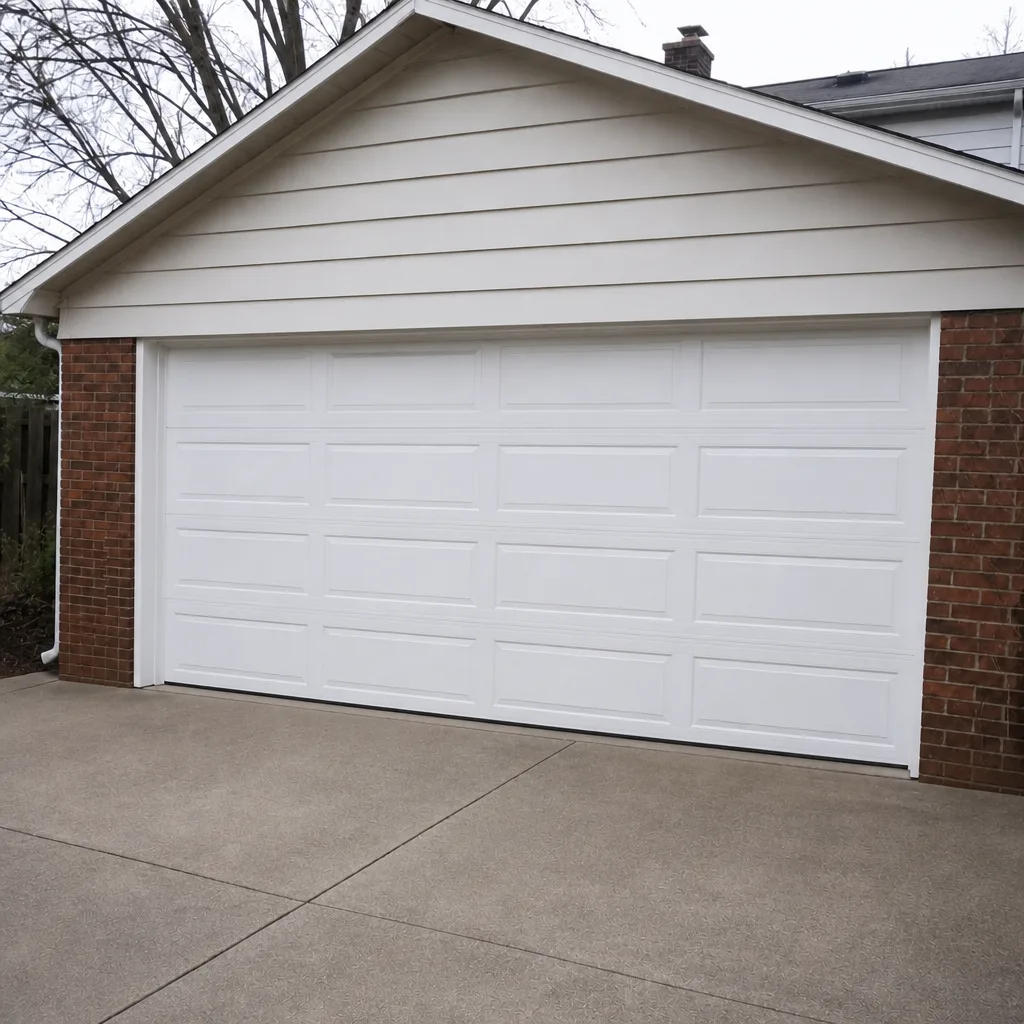 After
When to Call a Professional
Call us when the symptom is mechanical rather than cosmetic. A snapped spring, a door that reverses without warning, a cable off the drum, a loud bang from the torsion system, a door that won’t stay up on its own, or a track that’s bent all need a trained technician. For a new door or opener, the right move is a measured visit so we can quote a written price against the actual opening. Canton Garage Door Repair Co offers free estimates in Canton – call (877) 764-8983. Our technicians have up to 12 years of experience, and emergency garage door service is a confirmed part of what we do, so a blocked or failed door isn’t something you wait on. The price is quoted and agreed before any work starts, whether it’s a spring, an opener, or a full replacement.
Frequently Asked Questions
Replacement cost depends on size, insulation, gauge, and brand, and the honest answer is that no single number fits every Canton home. The written estimate is what sets the final price, and we provide that after measuring the actual opening. For a specific quote on your garage, call (877) 764-8983 – estimates are free.
Yes – emergency garage door service is a core offering, and a snapped spring is the kind of call we prioritize. Springs are dangerous to operate once broken, so don’t run the opener. Call (877) 764-8983 and we’ll get a technician out as quickly as we can.
Cold weather stiffens springs and rollers, and a door that’s marginal in the summer becomes a strain in a Canton February. That’s usually a sign the springs are near the end of their rated cycles or the door has gone out of balance. A service visit will tell you which, and the fix is often a spring or a tune-up rather than a new door. Call (877) 764-8983 to book a check.
We work on eight major brands: LiftMaster, Chamberlain, Genie, Clopay, Amarr, Wayne Dalton, Craftsman, and Raynor. If you’re not sure what you have, check the opener housing and the door’s edge label. Call (877) 764-8983 and we can help identify it.
Wood is a maintenance commitment here, not an automatic mistake. It absorbs and releases moisture through the freeze-thaw cycle, so it needs regular finishing to survive. For most Canton homeowners, insulated steel in the 24 to 27 gauge range is the practical choice. Call (877) 764-8983 if you want to talk through the tradeoffs for your specific home.
Yes – free estimates are part of how we work. The price is quoted and agreed before any work starts, so you know what you’re paying before a technician touches the door. Call (877) 764-8983 to set one up. Our technicians have up to 12 years of experience, and we handle repair, spring work, opener repair, and new installation under one roof.
The Bottom Line
Choosing a garage door in Canton comes down to three things that fit together: a material built for the freeze-thaw cycle (insulated steel, 24 to 27 gauge), a size matched to the actual opening in your home’s era (measure the structural opening, not the trim), and a specialist who knows the brand and sizes the springs and opener to the real door weight. Get those right and the door holds up for its rated life instead of failing early on a warped panel or an overworked opener. Get them wrong and you’ll be back at this decision in a few years. Canton Garage Door Repair Co handles the whole lifecycle – repair, spring work, opener service, and installation – so you’re not chasing a second company when the job changes shape. Call (877) 764-8983 for a free estimate and a written price on your door.
Written by the team at Canton Garage Door Repair Co.