Last updated November 21, 2026
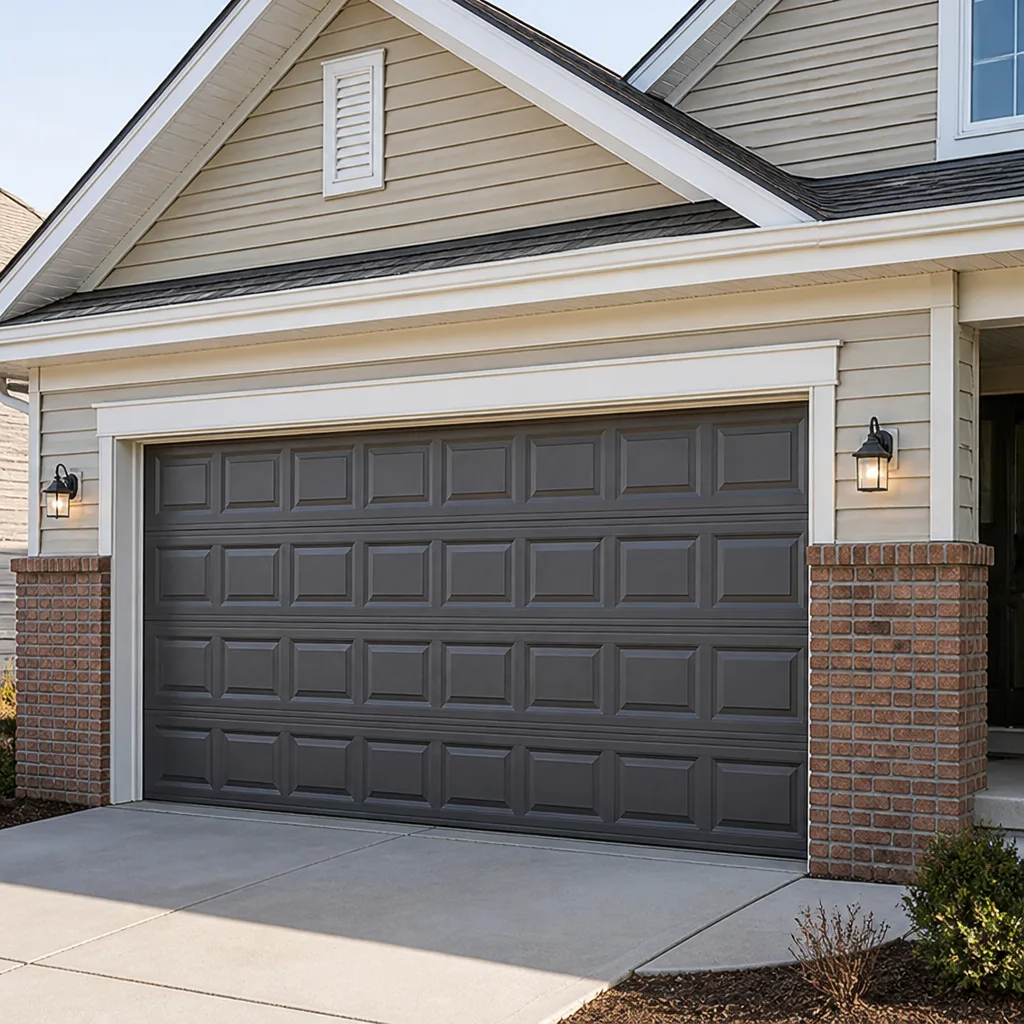 Raised-panel steel
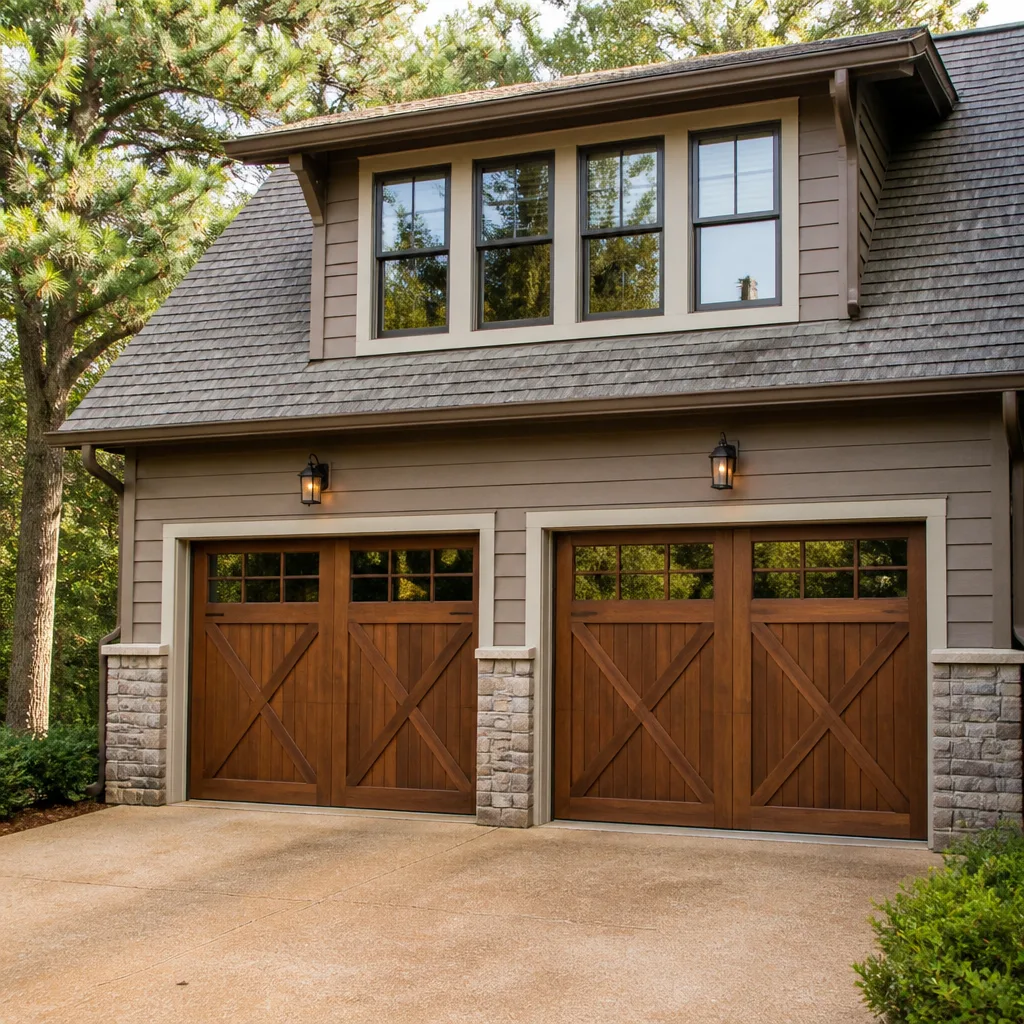 Carriage house
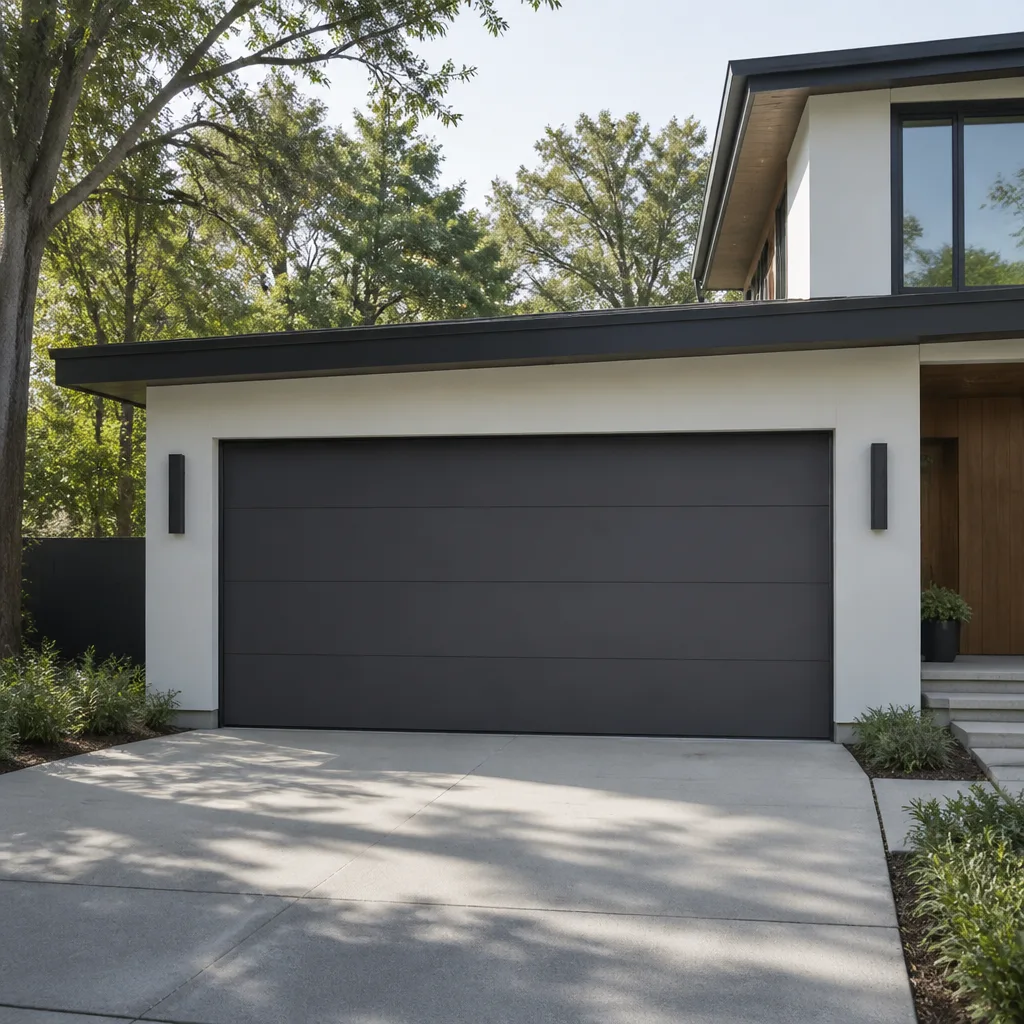 Modern flush
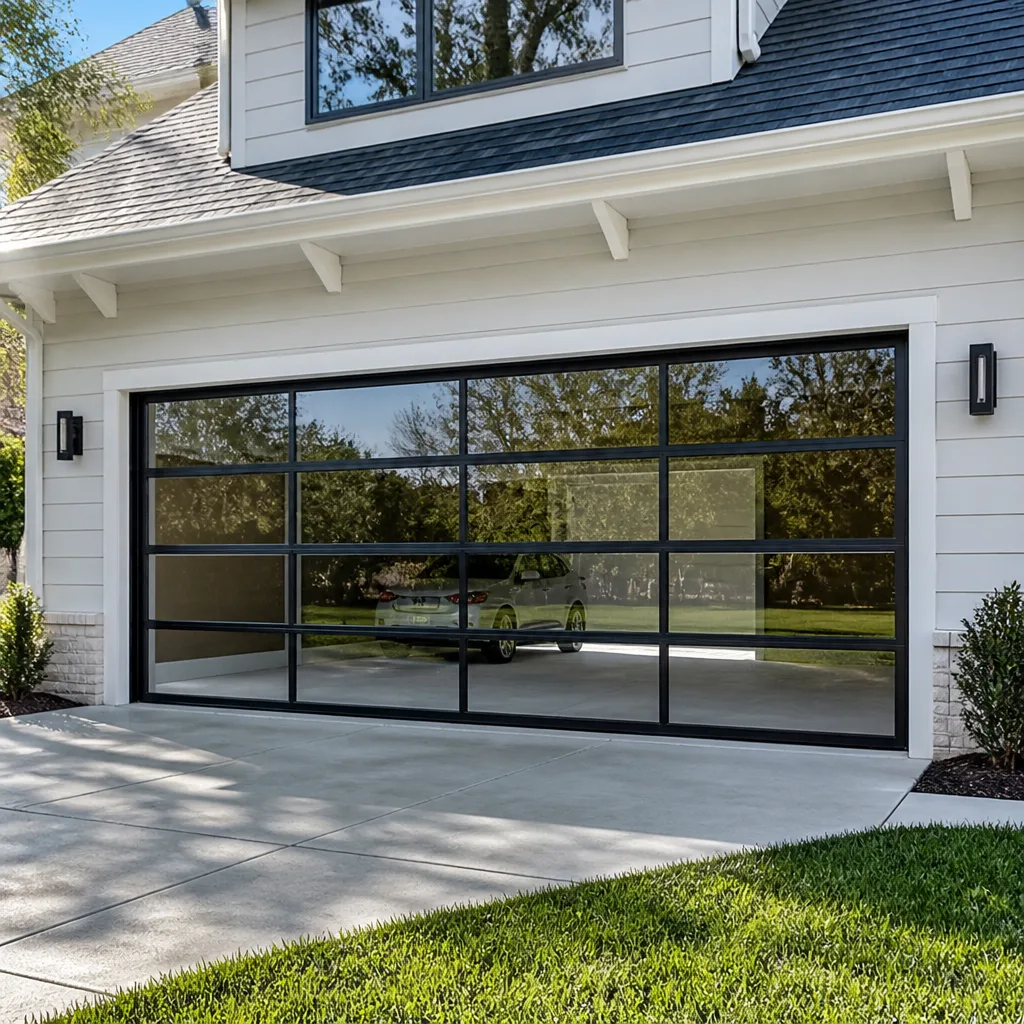 Full-view glass
 LiftMaster openers
 Chamberlain openers
Full 25-point door and opener safety check with every visit - springs, cables, rollers, tracks, and your LiftMaster or Chamberlain opener included
You get a price before we start. It does not change when the pro arrives.
Get your free estimateGarage Door Permits, Codes & Inspections in Canton, OH: What You Need to Know
Most Canton homeowners assume swapping a garage door is a no-permit job. Often they’re right. But the exceptions matter more than the rule, and the line between “swap it out” and “pull a permit” is narrower than most people expect. Add a motor to a door that never had one, change the width of the opening, or touch the header beam above the door, and you’ve crossed into territory the city wants to review. Skip that check and you can end up with an insurance question or a problem at resale that surfaces at the worst possible moment. This guide maps where Canton draws the line, what inspectors actually look for in Stark County, and how to keep a straightforward replacement simple without over-engineering it.
Quick Answer
A like-for-like garage door replacement in Canton, OH, usually does not require a building permit, but a new door in a new opening, a structural change to the header or framing, added electrical work for a new opener circuit, or a change to the fire separation between an attached garage and the house all typically do. When in doubt, call the City of Canton Building Department before you buy. The cost of one phone call is nothing next to the cost of tearing work back out at sale.
Styles & brands we work with
- Raised-panel steel
- Carriage house
- Modern flush
- Full-view glass
- LiftMaster openers
- Chamberlain openers
Table of Contents
- When does a garage door project need a permit in Canton?
- Replacement versus new installation: where the line sits
- Fire separation rules for attached garages in Ohio
- What a garage door inspection actually checks
- What a failed garage door inspection looks like in Stark County
- How unpermitted work shows up on a home inspection
- The HOA overlay: when aesthetics run parallel to code
- A step-by-step path to staying compliant
When does a garage door project need a permit in Canton?
A permit is generally required when the work changes the structure, the building envelope, or the electrical system, not when it’s a same-size door going into a same-size opening. Canton follows the Ohio Residential Code for one-, two-, and three-family dwellings, and the city’s building department is the authority that interprets it for your address. The thresholds below are the ones that come up most in our work around Canton.
Work that usually needs a permit
- Enlarging or reducing the opening. Cutting a wider rough opening means cutting the header, adding jack studs, and sometimes reinforcing the wall above. That’s structural work.
- Replacing or modifying the header beam. If the beam gets sistered, cut, or swapped, the inspector wants to see the framing.
- New electrical for an opener. A new dedicated circuit, a new outlet in the ceiling, or any new wiring from the panel is electrical work and gets reviewed as such.
- Converting a carport to an enclosed garage. Adding walls and a door where none existed changes the structure and the fire separation.
- Any change to the wall or door between the garage and the living space. This is the fire separation wall, and it’s the one most homeowners underrate.
Work that usually doesn’t
- A like-for-like door replacement in the existing opening, same size, same configuration.
- Replacing an opener with a unit of the same type on the existing circuit.
- Spring, cable, roller, and hinge repairs. These are maintenance, not construction.
- Replacing a worn weather seal, bottom rubber, or trim without changing the frame.
One more thing worth knowing: even where a permit isn’t required, Canton and many Stark County jurisdictions still expect the work to meet code. “No permit” doesn’t mean “no rules.” Call the city’s building department with your address and a plain description of the work. Ask whether a permit is required and whether any inspection is needed at completion. A permit decision that surprises you after the fact is the expensive version of the same conversation.
Replacement versus new installation: where the line sits
The single biggest driver of permit requirements here is not the door itself. It’s whether you’re keeping the same opening or creating something new. That’s the line most Canton homeowners don’t know until an inspector or a buyer’s agent finds it.
What counts as a replacement
A replacement keeps the rough opening, the header, the track layout, and the electrical where it is. The old door comes off and a new one goes on the same hardware footprint. That’s the job most people in Canton are doing: a tired steel door swapped for a new Clopay or Wayne Dalton unit, or a Raynor door that’s past its service life. These usually skip the permit process, but not the code requirements. Clearances, fire-rated components, and safe spring tension still apply.
What counts as new installation
New installation means the opening itself is new or materially changed. A wider door for a camper or a boat. A second door added to a wall. A carport enclosed. A door added to a detached shop that didn’t have one. Each of these touches the structure or the envelope, and each one is the kind of job that gets a plan review and an inspection. A full inspection covers the header, framing, fasteners, and the fire separation wall.
We work with all eight major brands, so we see both sides regularly. For a true replacement, our garage door installation team measures, confirms the footprint, and orders to fit. For a new opening, the framing and permit come first. We’ve watched enough jobs get stuck because the door was ordered before the framing was signed off. Sequence matters.
Opener circuits in older Canton homes
A lot of older garages around Canton still run the opener off a shared circuit or a tangle of extension wiring. If the new opener needs its own circuit, treat that as electrical work. It gets designed and permitted as electrical work. The door and the opener are two separate scopes, and the permit conversation should treat them that way.
Fire separation rules for attached garages in Ohio
Ohio Residential Code requires a fire separation between an attached garage and the rest of the house. In practical terms, that means the wall and ceiling between the garage and the living space need to resist fire long enough for people to get out, and the door leading from the garage into the house needs to be the right type. This is the part of garage code that matters most in Canton, and it’s the one that most often gets compromised by well-meaning weekend projects.
What the separation includes
- The wall and ceiling assemblies. The garage side of the wall and the ceiling above it are typically required to be a fire-rated material. Drywall taped and finished on the garage side isn’t decorative. It’s the barrier.
- The door into the house. It needs to be a solid or appropriately rated door, self-closing, and weather-sealed. A hollow-core interior door from a clearance rack is a violation.
- Penetrations. Every hole in that wall for a wire, a pipe, or a duct is a channel for fire and smoke. Cutting the wall to run a new opener circuit and leaving the gap open defeats the whole assembly.
- The ceiling above the garage. If someone has already removed drywall to add storage or open up headroom over a parked car, the separation has been compromised.
Here’s where this connects to the permit question. A door replacement rarely touches the separation wall directly. But adding an opener often means adding an outlet, and adding an outlet means cutting into the ceiling that’s part of the separation. That’s exactly the kind of small change that turns a “no permit needed” job into a “permit and inspection needed” job. We’ve seen it go wrong most often on older homes around Canton where the garage ceiling has been modified more than once. Ask the city’s building department. Then ask whether the work involves any of the wall or ceiling material between the garage and the house. If yes, budget for an inspection.
What a garage door inspection actually checks
A garage door inspection at final is not a cosmetic review. The inspector is looking at what holds the door over your head and what keeps the fire out of your house. The list below is the order they usually work through it. Every item on it is something we verify during a garage door repair or installation before anyone signs off.
- Header and framing. Is the header sized for the load and fastened correctly to the jack studs? Does the rough opening match the plans?
- Fasteners and attachment. Are the tracks, hinges, and spring plate anchored into framing, not just drywall? Inspectors do check this.
- Fire separation on the garage side. Is the drywall intact, taped, and free of holes? Are penetrations sealed?
- The door from garage to house. Solid or rated, self-closing, sealed at the bottom and sides.
- Spring and cable condition. Tensioned correctly, single spring or matched pair, cables intact and routed properly.
- Safe-T reverse function. Does the door reverse when it meets an obstruction? This is a standard safety check on every opener, whether it’s a LiftMaster, a Chamberlain, a Genie, or a Craftsman.
- Photo-eye sensors. Mounted at the correct height on both sides, aligned, and functioning. The door won’t close if they aren’t.
- Electrical connections. Any new circuit run for the opener, plus the outlet and cover at the ceiling.
- Clearances and labeling. Adequate headroom, safe distance between the moving door and any structural member, and the required warning label on the door.
The failure points we see most in Stark County aren’t exotic. They’re unsealed penetrations, a garage-to-house door that doesn’t self-close, and sensors that are either mismounted or wired into a handyman splice. Each one fails the same inspection.
What a failed garage door inspection looks like in Stark County
A failed inspection isn’t a judgment on the job. It’s a list of items to correct and a re-inspection, and it’s almost always fixable within a day or two if the door and opener are right. The most common violations we’ve seen come up in Stark County fall into four buckets.
- The separation wall got breached. Usually during an opener install where a new ceiling outlet meant cutting through the fire-rated ceiling and leaving it open. Patch it correctly and it passes.
- The house door doesn’t self-close or isn’t rated. A previous homeowner swapped it for a hollow interior door. Replacing it with a solid or rated self-closing door resolves it.
- Sensor and reverse-function failures. Mismounted photo-eyes, a reverse function that won’t trigger, or sensors defeated to make a door close when something’s blocking. These fail on every brand, from Raynor to Chamberlain, and they’re a safety issue, not a paperwork issue.
- Fastener failures. Track brackets fastened into drywall or a furring strip instead of framing. The door works, but the inspector isn’t checking whether it works. They’re checking what holds it later.
If your inspector flagged something, you don’t need a second opinion from three companies. You need a clear correction. We can look at the report, identify what failed, and quote the correction before any work starts. Same day on repair corrections, scheduled when it’s a full re-install.
How unpermitted work shows up on a home inspection
When you sell a house in Canton, the buyer’s inspection is where unpermitted garage door work surfaces. It’s rarely a dramatic find. It’s a note: “Garage door opener appears to be a later addition; no evidence of permit or inspection; recommend verification.” Once that’s in a report, it becomes a negotiating point.
The cost to remediate varies by what was actually done. Correcting a sensor and resealing a penetration is a small job. Correcting an enlarged opening where the header was cut without a plan is a much bigger job because it means opening the wall, verifying or replacing the header, and then going through a permit and inspection after the fact. That’s the version that costs real money and stalls closings. It’s also the version that most often makes buyers nervous enough to walk.
The cleanest insurance angle: a buyer’s lender may ask for evidence that structural and electrical work was permitted and inspected. If it wasn’t, the lender can require that the work be brought into compliance before they’ll fund. That’s not a hypothetical. It’s a standard question in underwriting on any project that touched the structure or the electrical panel. The homeowner’s insurance side follows the same logic. If a claim later involves the garage door or the fire separation wall and the work was unpermitted and out of code, the insurer can push back. It’s not a certainty and it’s not automatic. It’s just a question no one wants to be having after a loss.
The fix is boring and it works. Pull the permit when it’s required. Save the sign-off paperwork. Keep it with the house documents. If you’re thinking about two doors to install for a rental or a small business property in Canton, ask up front and take care of it once.
The HOA overlay: when aesthetics run parallel to code
Code and HOA rules are two separate approvals, and in Canton you sometimes need both. Code cares about structure, safety, and fire separation. An HOA cares about color, style, panel pattern, and what the door looks like from the street. Don’t confuse one for the other.
Where the overlay shows up in Canton
Planned communities and newer subdivisions around Canton typically have an architectural review process, and a few of the older, established neighborhoods have design guidelines tied to their historic character. The details differ by community, and we won’t pretend to know the specific rules of any given HOA. The homeowner needs to pull those directly from the association before ordering a door.
What gets approved and what gets denied
- Style and panel pattern. A carriage-house door in a subdivision of traditional raised-panel doors might need sign-off before it’s ordered.
- Color. Standard factory color palettes, specific finishes, or a matching door to the existing trim.
- Window inserts. Sometimes allowed, sometimes not, sometimes dependent on the door’s location in the subdivision.
- Opener noise and visibility. A belt-drive opener is quieter than a chain-drive unit, and if the door has to stay consistent with the household next door, the motor may matter to the neighbor more than the code inspector does.
The practical rule is simple. Ask the HOA before you order. Get the approval in writing. We can supply door specifications from the manufacturer you’re looking at, whether that’s Craftop, Clopay, or Amarr, to make the HOA review straightforward. What we can’t do is get work approved after the door’s already hanging. That conversation is easier in the other order.
A step-by-step path to staying compliant
If you’re planning a garage door project in Canton and you want it to hold up on a home inspection five years from now, the sequence below is the one that keeps you out of trouble. It’s the same order we use on every install.
- Describe the work plainly. Write one sentence: “replace an existing door of the same size,” or “add a door to this existing wall.” That sentence decides the permit question.
- Call the city’s building department. Give your address and the sentence from step one. Ask whether a permit is required, and what inspection, if any, applies at completion.
- Check the fire separation. Look at the wall and ceiling between the garage and the house. If you’re not sure whether the assembly is intact, ask the building department to clarify what’s expected for your address.
- Ask the HOA, if there is one. Get written approval for the door style and color before you order. It’s a five-minute form and a five-minute reply, and it saves a door.
- Order to measure, not to guess. A door that’s a fraction off may need the opening modified. That drops you back into permit territory. Measure, then order.
- Save everything. Permit number, sign-off, manufacturer spec sheets, and the installer’s invoice. That package is what you hand a buyer’s inspector.
- If the project grows, stop and recheck. If someone finds rot in the header or opens the wall to find no framing where there should be, the project just became structural. That’s a permit conversation, not a “while we’re in there” conversation.
If any of this puts the job squarely into “this needs a permit,” that’s fine. Pull it, get it inspected, and keep the paperwork. The homeowner who does that is the one who gets through a sale without a surprise. For the door and opener side of the work, our Canton Garage Door Repair Co team handles most brands in one visit. If the opener wiring comes into it, our garage door opener repair work can address a failed unit and the electrical connection it needs before final inspection.
Common Mistakes to Avoid
- Assuming all replacements skip the permit. True for like-for-like swaps. False the moment you change the opening size or touch the header. Call the building department and describe the work in one sentence. It takes minutes.
- Cutting into the fire separation wall to run an opener outlet. The garage-side wall and ceiling are part of the fire barrier. Cutting them for power and leaving the gap open is the most common compliance failure we see in Stark County. Seal the penetration and, if it requires inspection, take care of that first.
- Letting an HOA review run alongside the code review. They’re two separate approvals. Code doesn’t cover your door’s color and the HOA doesn’t cover your header. Do both, get both in writing, and don’t assume one covers the other.
- Buying the door before measuring the opening. Doors are cut to spec. If the opening is out of square or the measurement was taken off the old door rather than the rough opening, you’re modifying the structure and you’ve just triggered a permit.
- Swapping the garage-to-house door for whatever’s on hand. The door between an attached garage and the living space has to be rated and self-closing. A hollow-core interior door is a compliance failure and a safety issue. Match the original spec.
- Assuming the door from the garage doesn’t need to seal. Weatherstripping at the bottom and sides is required for the separation to work. It also keeps Canton winter drafts and rain out of the house.
- Skipping the equipment check on the way out. A project can pass inspection and still leave a door that won’t reverse safely or sensors that don’t trip. Verify both before the paperwork goes in the folder.
See the difference
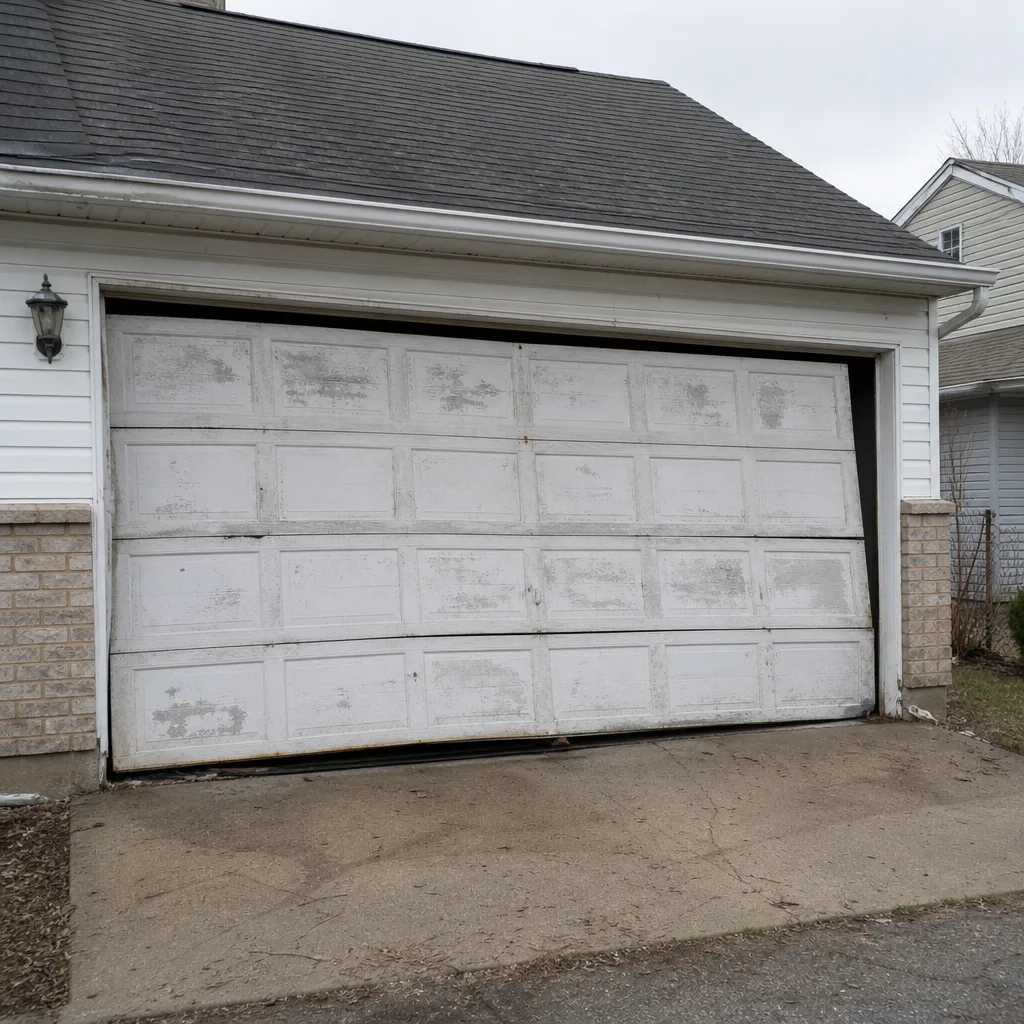 Before
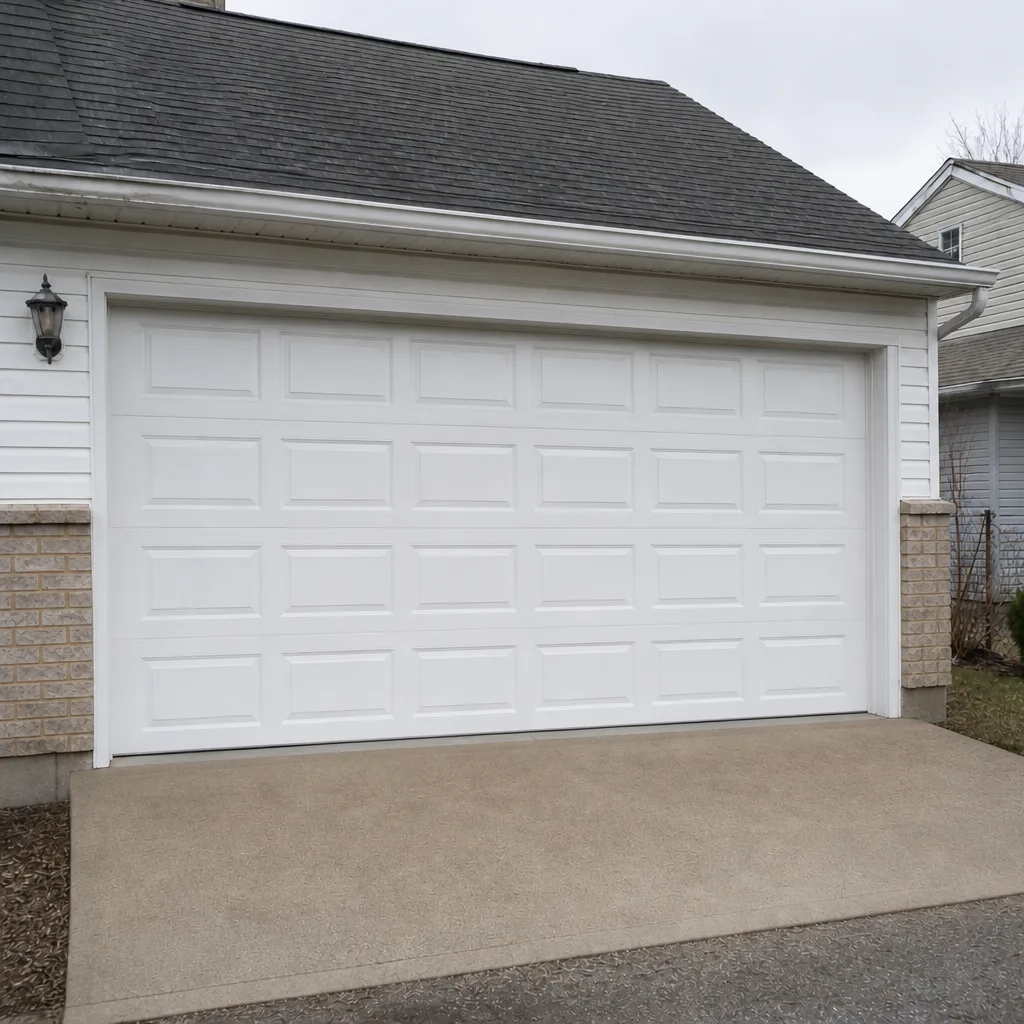 After
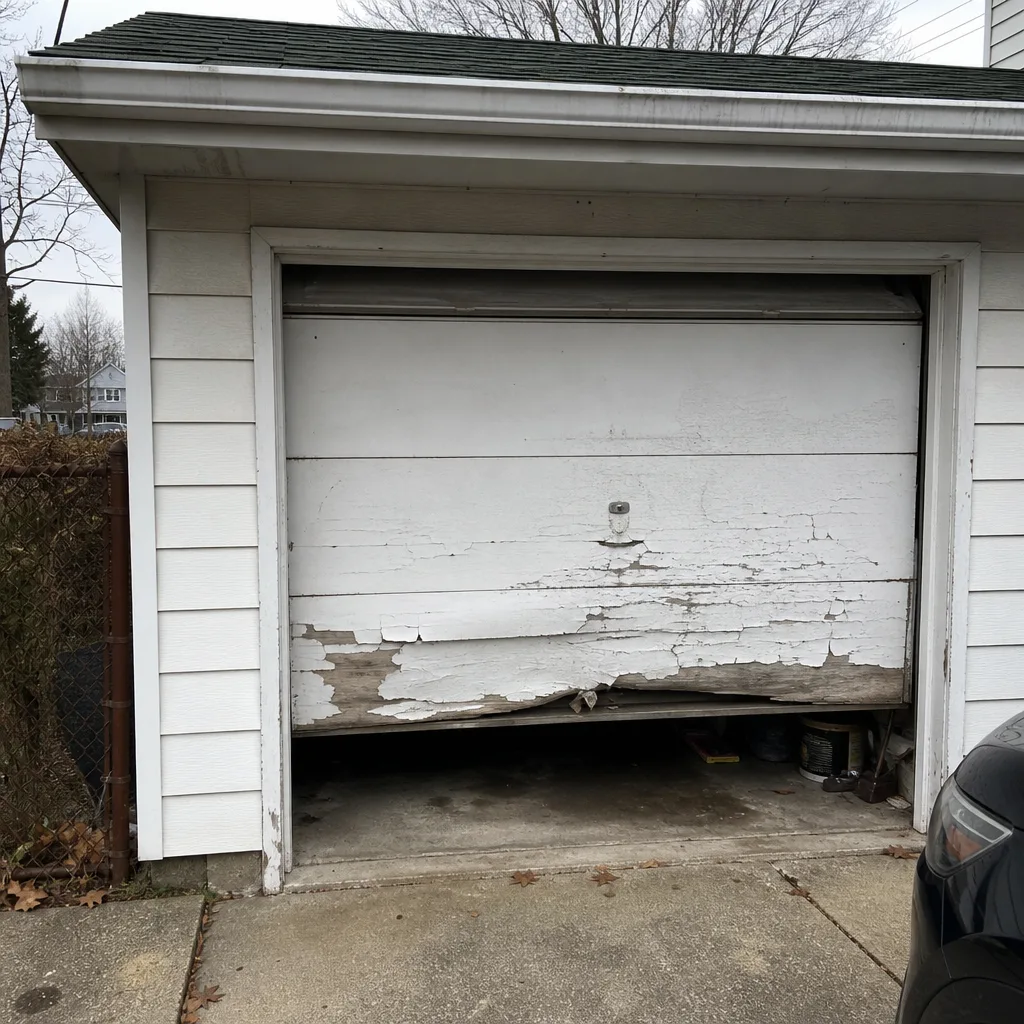 Before
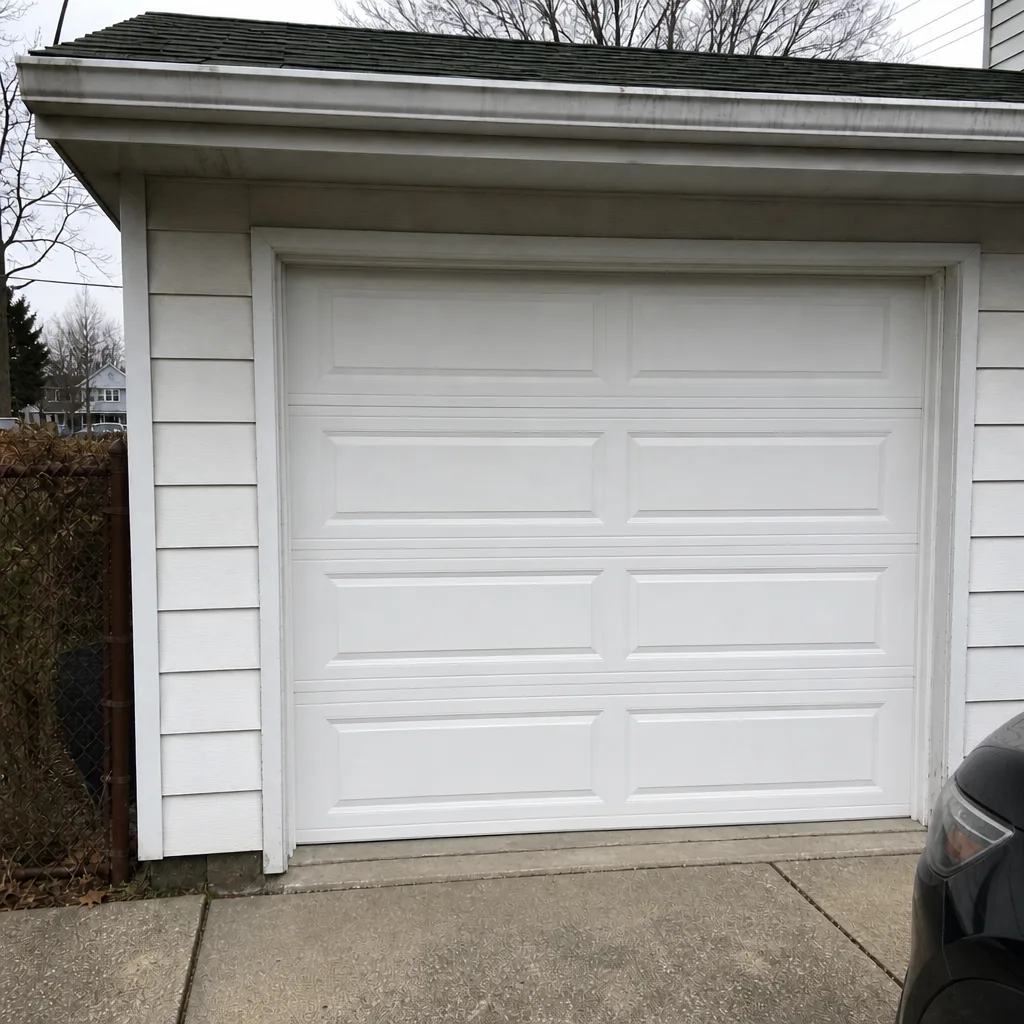 After
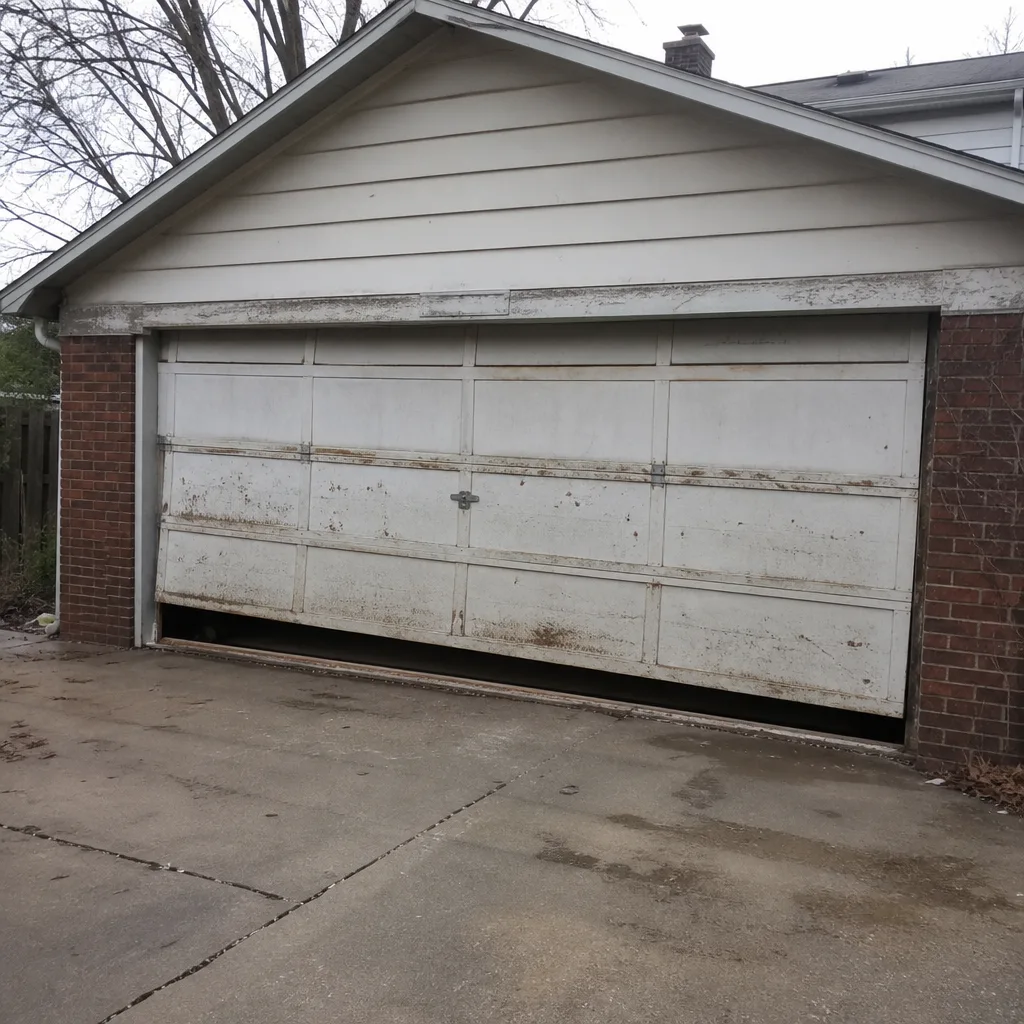 Before
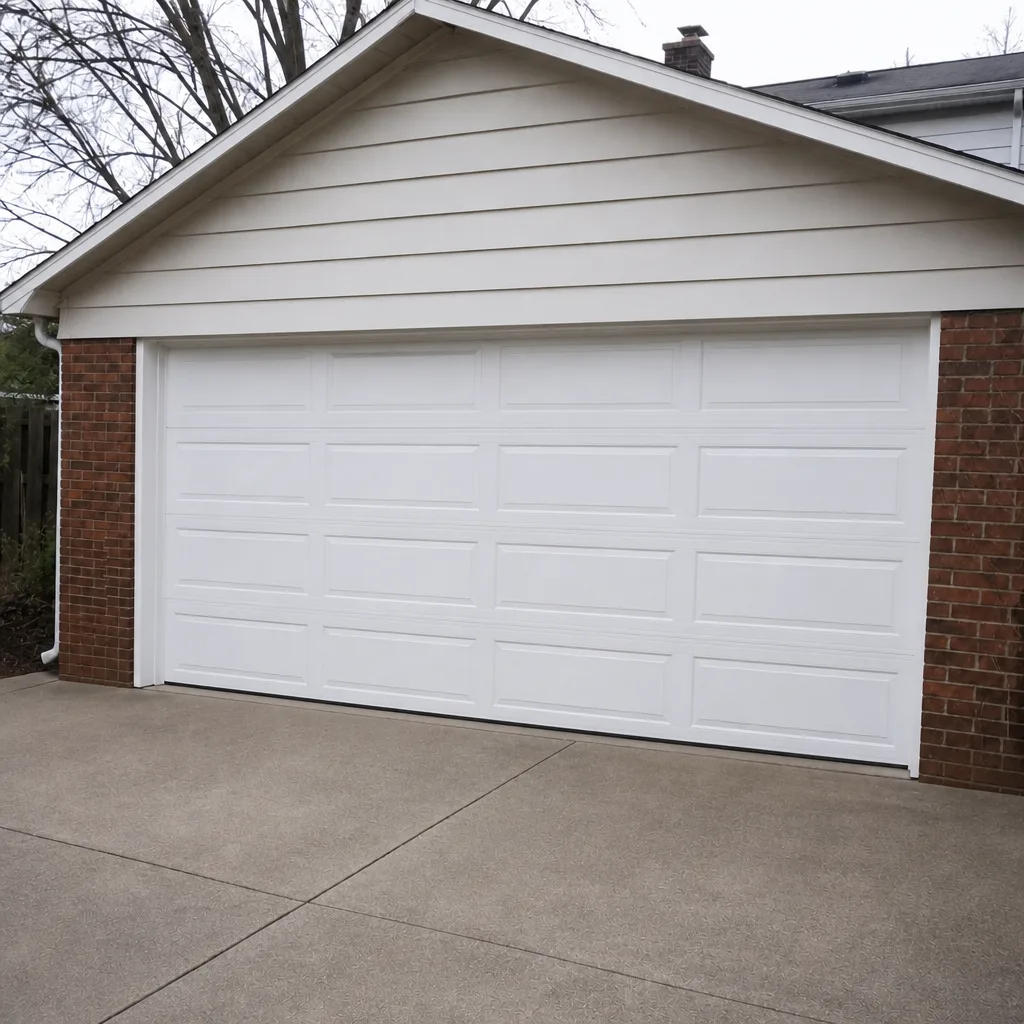 After
When to Call a Professional
Some jobs shouldn’t be a homeowner project, and the safety-critical ones lead the list. Spring repair, cable replacement, and any work on the door’s tensioning system are high-risk, high-tension repairs. Our technicians have up to 12 years of experience and use the right tooling, which is why spring repair is a service we take on rather than hand off. If the header looks questionable, if the opening has to be modified, if the fire separation wall has been breached, or if the door or opener needs to be brought into code, call us. Any of those is a job where “get a professional opinion before proceeding” saves time and money. Canton Garage Door Repair Co offers free estimates in Canton, and we can tell you in one visit whether the work is a like-for-like replacement or a permitted project. Call (877) 764-8983.
Frequently Asked Questions
Usually not, if you’re replacing a door in the same opening at the same size, and the electrical connection stays on the existing circuit. A permit is typically required once the opening changes, the header or framing is modified, a new opener circuit is added, or the fire separation between the garage and the house is touched. Ask the City of Canton Building Department for your specific address. Call (877) 764-8983 for an estimate if you’re ready to talk through the job.
Ohio Residential Code requires a fire-rated separation between an attached garage and the rest of the dwelling, and the exact assembly depends on the house. In practice it means a fire-rated wall and ceiling on the garage side, a rated or solid self-closing door from the garage to the house, and sealed penetrations where wires or pipes pass through. Ask the City of Canton building department for the specific details that apply at your address.
They check header and framing, track and hinge fasteners, the fire separation on the garage side, the door from the garage to the house, spring and cable condition, and the opener’s safe-T reverse and photo-eye sensors. They’re verifying what’s structural and what’s safety-critical, not what the door looks like. Those items are the same whether the door is a LiftMaster, a Genie, or a Chamberlain.
It depends entirely on what was actually done wrong. Correcting sensors, sealing a penetration, or swapping the house door back to a rated self-closing unit is a small correction. Reopening a wall to verify a cut header and running it back through permit and inspection is a much larger job, because you’re dealing with structure and the closing timeline. Call (877) 764-8983 with the inspection report and we’ll quote the correction before any work starts.
Yes, for garage door repair and opener issues we run same-day service and emergency response, because a door that won’t open blocks access to the house or the business. The price is quoted and agreed before any work starts, and the written estimate sets the final price. Call (877) 764-8983 and we’ll get you on the schedule. Installation and replacement work is measured, ordered, and scheduled; that’s a different timeline.
Not on a repair or a like-for-like replacement, because we quote from a measured assessment and the written estimate is the number you pay. On a project that runs into something unexpected – rot in the header, a framing gap, or a fire separation that has been compromised – we stop and re-quote before proceeding. Nothing gets done beyond the original quote without your approval.
The Bottom Line
Most like-for-like garage door replacements in Canton don’t need a permit. Most structural or electrical changes do. The gap between those two realities is where compliance problems live, and they show up at the worst place: the buyer’s home inspection, or a claim after the fact. Call the City of Canton Building Department with a plain description of your work before ordering. Check the fire separation wall and the door from the garage to the house. Ask the HOA for written approval on style and color. And when the door or opener side of the job is ready to move, call us. We handle repair, opener work, spring repair, and installation on eight major brands, so the answer is one call, one visit.
Written by the team at Canton Garage Door Repair Co.