Last updated November 21, 2026
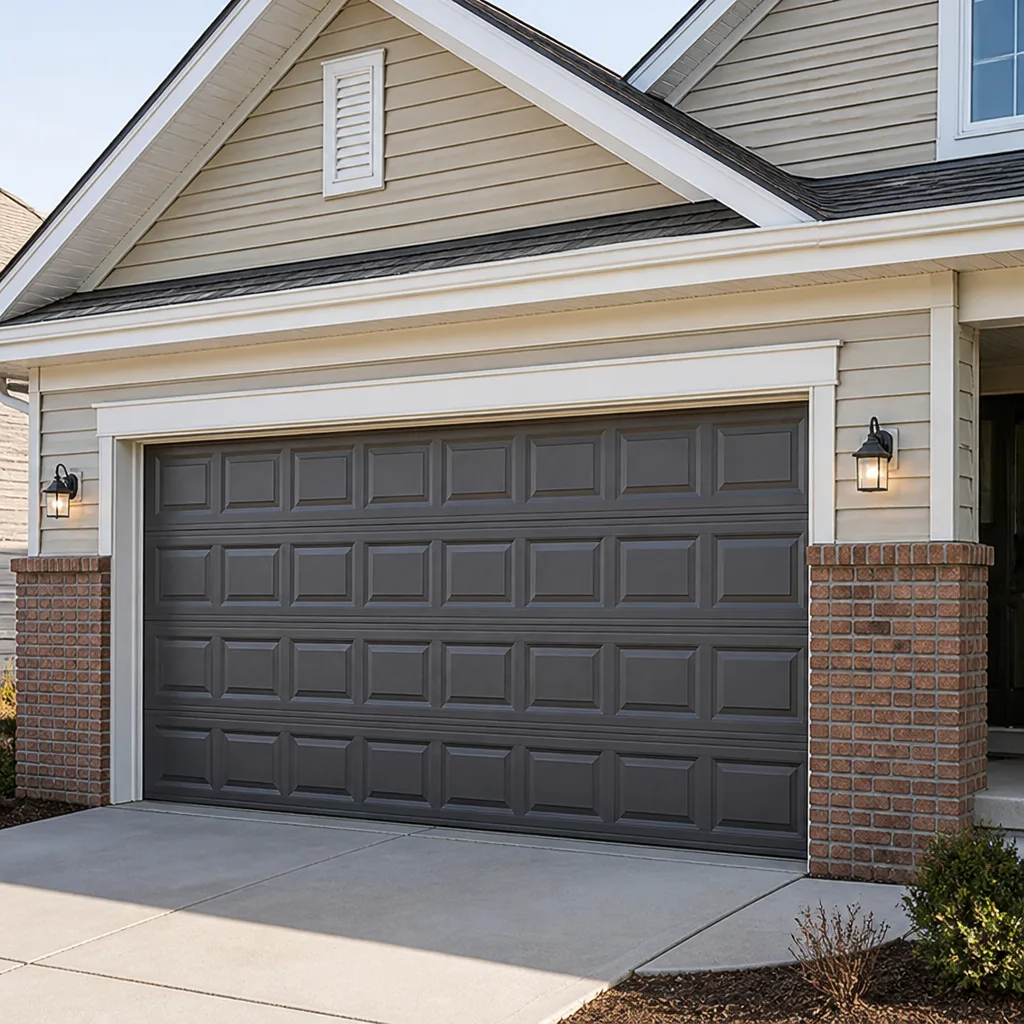 Raised-panel steel
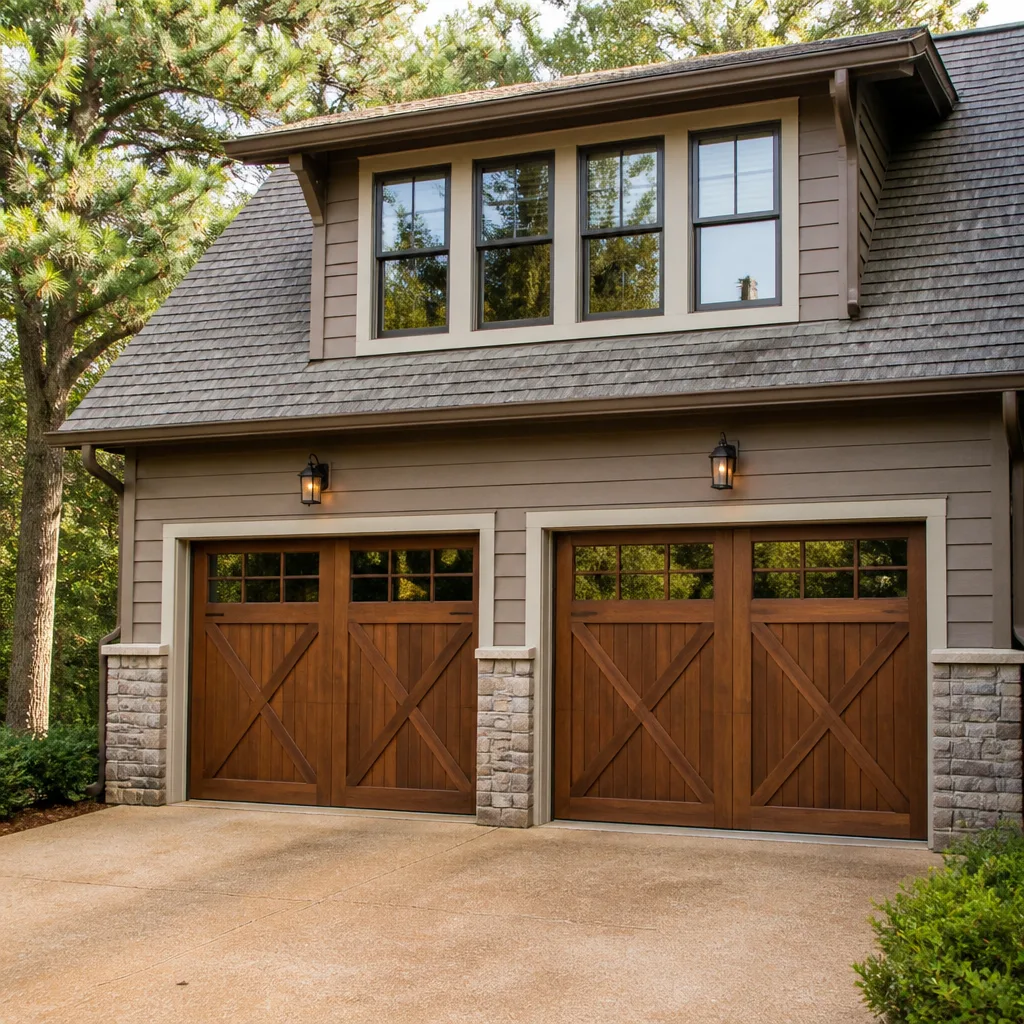 Carriage house
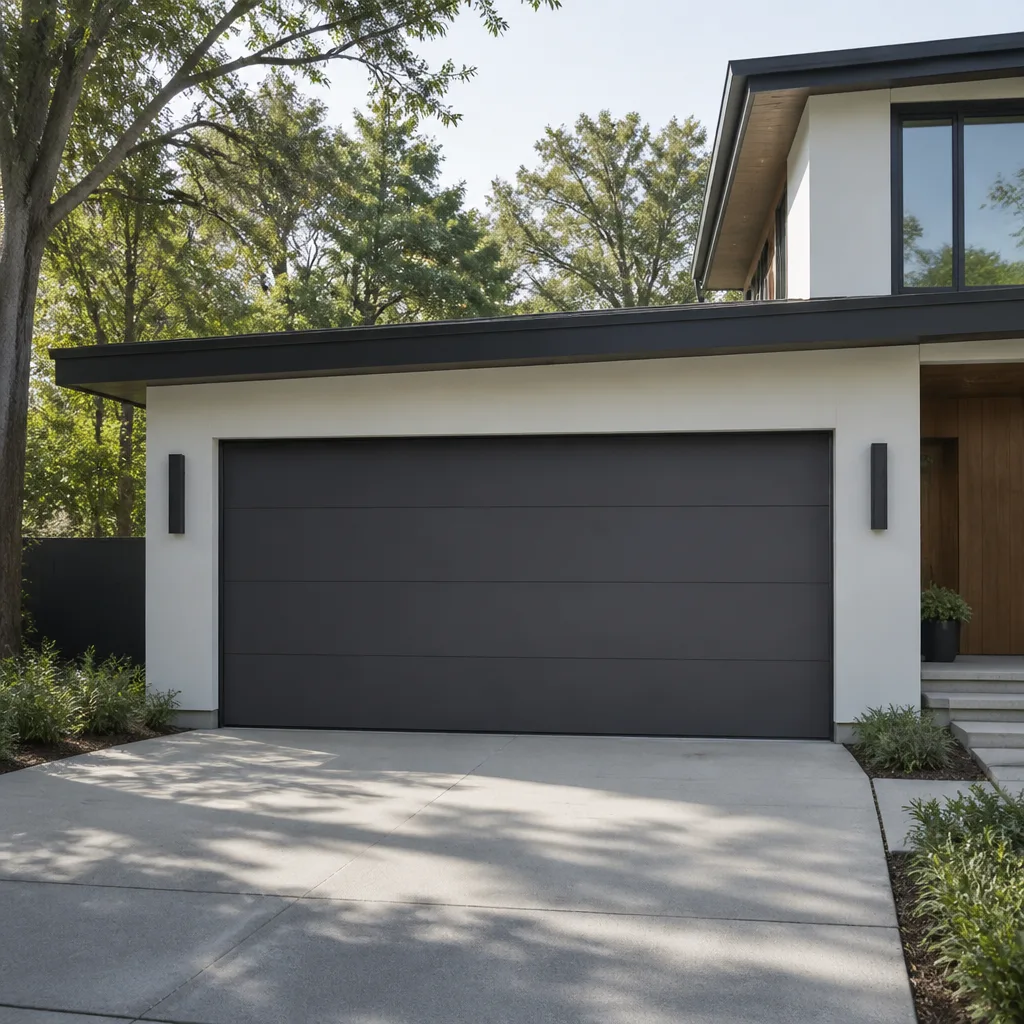 Modern flush
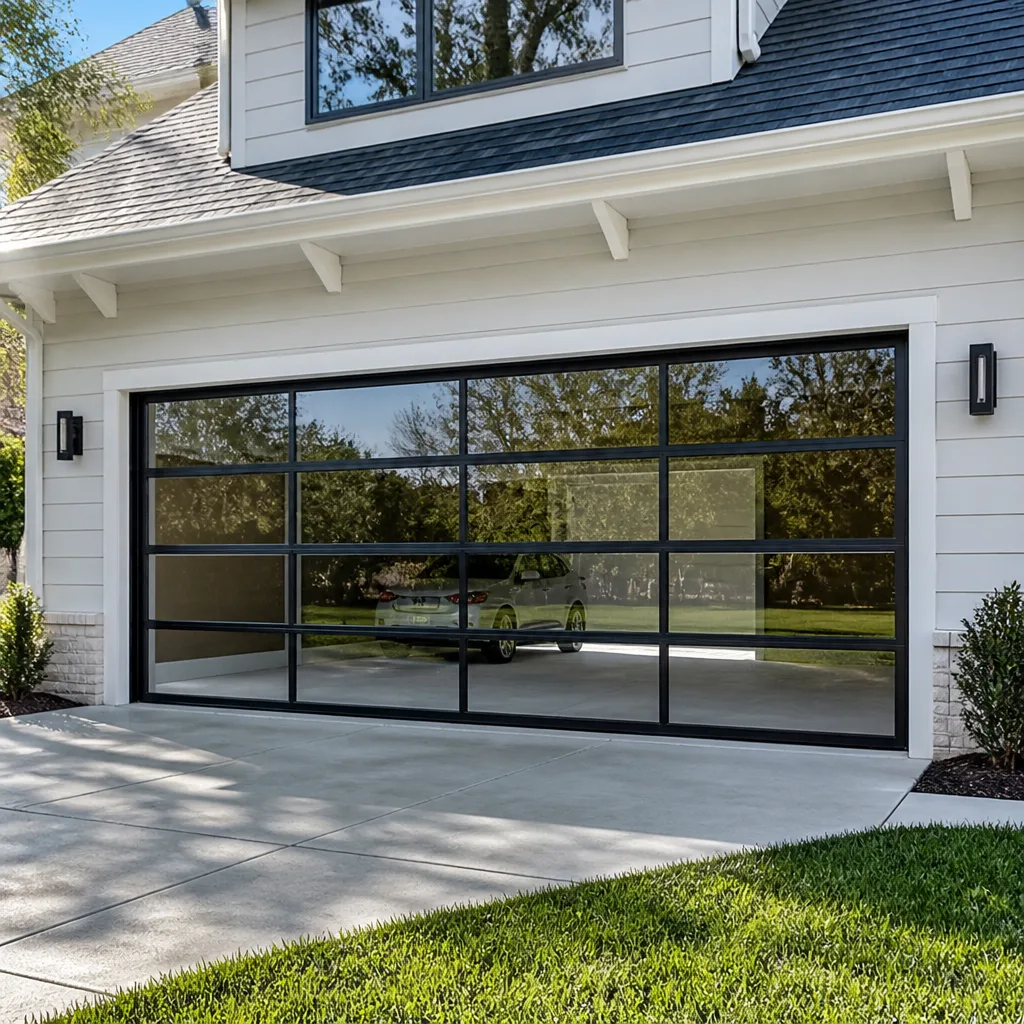 Full-view glass
 LiftMaster openers
 Chamberlain openers
Full 25-point door and opener safety check with every visit - springs, cables, rollers, tracks, and your LiftMaster or Chamberlain opener included
You get a price before we start. It does not change when the pro arrives.
Get your free estimateGarage Door Warning Signs: A Canton Homeowner’s Reference Guide
A garage door doesn’t snap a spring without warning. The warning is a door that feels heavier when you lift it manually – and most homeowners feel that heaviness for weeks before the spring goes. That’s the strange part about garage doors: they almost always tell you something is wrong long before they fail. What they don’t do is tell you in plain language, and most people don’t know what they’re hearing, feeling, or seeing. This guide translates each symptom into a likely cause so you can describe the problem accurately, decide if it’s urgent, and know when to call. It’s written for homes across Canton, where cold winters and freeze-thaw cycles put real stress on door hardware.
Quick Answer
The most common garage door warning signs are a door that feels unusually heavy when lifted by hand, a loud bang from a broken spring, grinding or squealing during travel, shuddering or jerky movement, a door that reverses before closing, asymmetric lift on one side, and frayed or slack cables. Each symptom points to a specific cause, and most failures show warning signs for days or weeks before the door stops working. If your door is stuck in an open or closed position right now, call Canton Garage Door Repair Co at (877) 764-8983.
Styles & brands we work with
- Raised-panel steel
- Carriage house
- Modern flush
- Full-view glass
- LiftMaster openers
- Chamberlain openers
Table of Contents
- The Symptom-to-Cause Index
- A Door That Feels Heavy: The Spring Warning Most People Miss
- What the Noises Are Telling You
- The Manual Disconnect Test: Opener, Spring, or Track?
- Cable Warnings You Can Actually See
- Why a Door That Works ‘Most of the Time’ Is the Most Dangerous Kind
- Urgent, Soon, or Monitor: Sorting the Signs
- What Canton Weather Does to Doors
The Symptom-to-Cause Index
Most garage door failures land in one of a handful of categories, and each category has a signature. Learning the signatures lets you walk out to your door, listen, watch, and narrow down the problem before you call anyone. Here’s how the common signs map to the common causes.
- Loud bang from above the door, door won’t lift: broken torsion spring.
- Door feels heavy when lifted manually: weakening or broken spring, or a spring at the end of its cycle life.
- Grinding or squealing during travel: worn rollers, dry hinges, or a torsion tube and bearing plate that need attention.
- Shuddering or jerky movement: misaligned or bent track, worn rollers, or an unbalanced door.
- Door reverses before reaching the floor: safety sensor obstruction, a limit setting that’s drifted, or a logic board issue.
- One side rises before the other: broken spring on one side of a two-spring system, or a cable that’s off its drum.
- Door only opens partway: a travel limit setting problem, a broken spring, or a binding track.
- Loud rattle at the end of each cycle: loose hardware, or an opener being asked to lift a door that’s out of balance.
On a door in Canton, most of these symptoms get more pronounced in a cold snap. Metal contracts, lubricant thickens, and hardware that was marginal in October announces itself in January. If you hear or feel something new after the first hard freeze, the cold didn’t cause the problem – it revealed a part that was already on its way out.
A Door That Feels Heavy: The Spring Warning Most People Miss
Here’s the single most useful test a homeowner can do. With the door closed and the opener disconnected, lift the door by hand about halfway and let go. A properly balanced door should hold in place or drift gently down with a light push. If the door drops or feels like you’re lifting a heavy weight instead of a balanced panel, your springs aren’t doing their job.
Springs on a standard sectional door carry most of the door’s weight. That’s why a door that’s in balance feels almost weightless and a door with a tired spring feels like a sled. Weakening happens gradually – the coil loses tension as the metal fatigues – so homeowners often adapt without realizing it. They lift a bit harder. They don’t notice that the opener is straining. This gradual heaviness is the clearest advance notice you’ll ever get that a spring is about to fail.
The risk comes when the spring reaches the end and snaps. Torsion and extension springs store enormous energy and can fail violently. That’s why the heavy-door test is a check, not a repair: never try to adjust, remove, or replace a spring yourself. Spring repair on a Canton door should always go to a technician with the right winding bars and the training to use them. The same holds for the cables and drums that ride on a torsion system.
- Normal: door holds position at halfway or drifts slowly.
- Warning: door falls more than a foot when released, or you need real effort to lift it.
- Stop: door won’t lift at all, or a bang was followed by a door that hangs stuck.
If the door fails the test, that’s a scheduled repair, not something to live with. The door works until it doesn’t, and the moment it doesn’t, it’s usually stuck. That’s exactly why we take spring repair seriously and why so many general handymen decline the job. It needs the right tools, and it needs someone who has done it before.
What the Noises Are Telling You
A garage door is a mechanical system with dozens of moving parts, and every sound it makes has a cause. On a healthy door, the noise should be steady and predictable – the hum of the opener, the roll of the panels, maybe a soft thud as the door meets the floor. Anything else is information. Here’s how to read the loudest complaints.
- Grinding: usually worn nylon or steel rollers or dry hinges. Small metal pieces grinding against each other under load create a sound like a rough zipper. Easy to replace, usually not urgent, but wear accelerates once it starts.
- Squealing: friction at the hinges, rollers, or springs. Sometimes just lubrication; sometimes a bearing plate that’s drying out. If it’s the torsion system, it needs a professional look.
- A single sharp bang: the classic sound of a broken torsion spring. The door will almost certainly be too heavy to open afterward. This one is urgent.
- Rattling over every cycle: loose bolts, loose hinge screws, or a door that’s vibrating because the opener is pulling against an unbalanced panel.
- Scraping from one side: a track that’s misaligned or a roller that’s popped out. Scraping usually gets worse quickly because the panel now drags.
If the noise is new and small, it’s usually a lubrication and adjustment issue. If it’s new and loud, it’s usually structural. In Canton, doors tend to get noisier in the winter simply because cold thickens lubricant and tempers metal – a door that’s quiet in spring can sound tired in February. A single screwdriver-and-lube check on hinges and rollers can usually confirm the harmless version.
The Manual Disconnect Test: Opener, Spring, or Track?
When a door stops working, the first question is which system failed – the opener, the springs, or the track. The manual disconnect test separates those three suspects fast and safely. Every garage door opener has a release handle, usually a red cord hanging from the trolley. Pulling it disconnects the opener from the door and lets you test the door by hand.
- Pull the release handle to disconnect the opener. Make sure the door is fully closed first.
- Lift the door by hand to about waist height and let go. If it’s genuinely light and holds, the springs are fine.
- If the door is too heavy to lift: the springs are the failure. Stop here and call for spring repair.
- If the door lifts by hand but the opener won’t lift it: the opener is the failure – check the motor, the belt or chain, the logic board, or the safety sensors.
- If the door lifts but drags, sticks, or catches: the track or rollers are the problem. Look for bent track, a popped roller, or an aligned panel.
- Re-engage the opener only once the door is working smoothly by hand or the repair is complete.
Most opener problems look like door problems until you do this test. A door that reverses for no reason, a door that stops a few inches up, a door that runs but doesn’t move – each of these is usually a sensor or opener electronics issue. Opener repair is a very different skill from spring work, and it helps to know your brand. We work on LiftMaster and Chamberlain openers often, and the diagnostics differ by brand: different boards, different sensor logic, different limit-setting procedures. When you call, telling us the brand and the exact symptom speeds up the whole repair. This is the kind of split-diagnosis work we do every week as part of garage door repair in Canton.
Cable Warnings You Can Actually See
Cables are the muscle that connects the bottom of the door to the torsion drum. They’re under constant tension, and when they fail, the door can come down at an angle with frightening force. The good news is cables give visual warnings long before they snap. Take a minute on a dry day and look.
- Fraying: the most important sign. Cables are wound and twisted; if you see strands sticking out or a fuzzy appearance, the cable is close to failure. Stop using the door.
- Rust: rust usually shows up first at the bottom corner of the door, near the lift bracket where moisture collects, and at the drum. Rust weakens the strands. A little surface rust is fine to watch; heavy rust in the wire itself is not.
- Slack or a loose cable: a cable that’s loose at one side means the door is hanging wrong. This can happen after a spring failure or a roller popping out of track. A slack cable can fly off the drum and jam the door.
- Uneven drum wrap: the cable should wind cleanly on the drum. Cable crossing over itself or lying outside the drum’s groove signals a serious problem.
- Kinks: a sharp bend in a cable is a stress point. A kinked cable keeps bending at the same spot and fails there.
If you see fraying anywhere along a cable, treat it as urgent. Cable replacement involves huge stored tension and a specific technique; it isn’t a task for a homeowner, and it’s not something to postpone. The same applies at the bottom bracket, which can whip violently if a cable lets go – one of the reasons cable work on a Canton door requires gloves, the right tools, and training. This is core spring-and-cable work, and it’s a repair we handle without the guesswork.
Why a Door That Works ‘Most of the Time’ Is the Most Dangerous Kind
A door that won’t open at all is annoying but honest. A door that works three times out of four is the one that worries us. Intermittent failures hide in the gaps between uses, and when a partially failed part finally lets go, the door can drop while the kid, the car, or the contractor is under it. That’s the real danger, and it’s a risk no homeowner should leave standing.
Several failure types show this pattern. A spring that’s cracked but not snapped holds intermittently. A roller that’s chunked or a hinge that’s broken can catch, then release, then catch in a different spot. A cable with one bad strand can hold for a hundred cycles and then fail on the one that matters. A safety sensor mounted slightly crooked can pass one morning and fail the next. The door runs, so the household runs, so the problem continues. The symptom is easy to dismiss, but a door that’s intermittent is a door that’s failing. If your door has any of these patterns, treat it as scheduled but soon, and describe the exact intermittent behavior when you call.
One more thing about intermittent opener trouble: if the door or opener is a Chamberlain, LiftMaster, Genie, or Craftsman, the electronics can give intermittent sensor and logic-board symptoms that need brand-specific diagnostics. We work on all four. The same goes for door brands – we handle Clopay, Amarr, Wayne Dalton, Raynor, and the rest of the eight brands we’re certified on. There’s no “figure it out as we go.” Knowing the brand means going straight to the right test.
Urgent, Soon, or Monitor: Sorting the Signs
Once you’ve identified the signs, the practical question is timing. Some signs need a call today. Others need a call this week. A few are observation-only. Here’s how we sort them for Canton homeowners.
Same-day urgent
- Broken spring, or a bang from above the door followed by a door that won’t lift.
- Door stuck half-open or half-closed, especially if it blocks access to the home or business.
- Frayed or slack cable.
- Door off track, tilted, or hanging from one side.
- Door that reverses repeatedly on its own, or closes on its own.
- Vehicle trapped inside, or a business whose entrance is blocked – emergency garage door service exists for exactly this.
Schedule within a week
- Loud grinding or squealing that’s new and persistent.
- Intermittent reversing or partial opening.
- Door that feels heavy but still lifts.
- Visible rust on cables or springs that’s progressed.
Monitor and adjust
- Light noise that responds to lubrication.
- A loose hinge screw or rattle you can tighten.
- Sensor misalignment you can adjust by hand – not something to leave, but usually a same-day five-minute fix.
If you’re not sure which bucket you’re in, that’s the moment to call. We help homeowners every week figure out whether their garage door opener repair is a small fix or a replacement – and we can do the same for a slipping door, a noisy door, or a stuck one.
What Canton Weather Does to Doors
If you live in Canton, you already know the winters get real. A hard freeze followed by a thaw and another freeze is the toughest pattern a garage door faces, and it shows up in specific ways.
The first freeze thickens every lubricant on the door – hinge pins, rollers, the opener chain or belt. A door that’s marginal in October starts grinding in late November. Metal contracts in cold, so a track that fit snugly in summer loosens at the seams, and a door panel that sat flat can suddenly scrape on one side. Springs, especially, are asked to do more work when it’s cold, and a spring that’s near the end of its cycle life can let go on the first really cold morning.
On the ground, freeze-thaw can shift the concrete the door lands on, which throws the safety sensors out of line and causes phantom reverses. Cold also plays with opener electronics, and a sensor that worked fine all summer can start seeing “obstruction” when the morning temperature drops. We see these symptoms pile up between November and March, and a lot of them are simply the winter showing weaknesses the rest of the year hides. If it’s October and something’s already noisy, fix it before the cold makes it worse.
Common Mistakes to Avoid
- Forcing a heavy door up with the opener. The opener will burn out trying to lift a door its springs can’t hold, turning a spring repair into a spring-plus-opener repair.
- Living with a door that works “most of the time.” Intermittent failures become sudden failures, and sudden failures are the dangerous kind.
- Trying to adjust or replace springs yourself. Torsion and extension springs store dangerous energy. This is not a homeowner repair, and a house isn’t the place to learn it.
- Ignoring frayed or rusted cables. Cable failure is one of the most violent garage door failures. If you see fraying, stop using the door.
- Repeatedly adjusting the opener limits when the springs are the real problem. The opener can’t compensate for tired springs. Cold, heavy Canton doors make this mistake especially common.
- Assuming “one side is slower” is cosmetic. Asymmetric movement usually means a spring or cable issue. It can also mean a panel that’s out of line and dragging.
- Calling a generalist for spring or opener work. Spring repair and brand-specific opener diagnostics reward specialists. A handyman who’s guessing at them costs more in the long run.
- Lubricating the wrong parts. Over-lubricating cables or the torsion system can attract grit and speed up wear. A little grease on hinges and rollers is the useful part.
See the difference
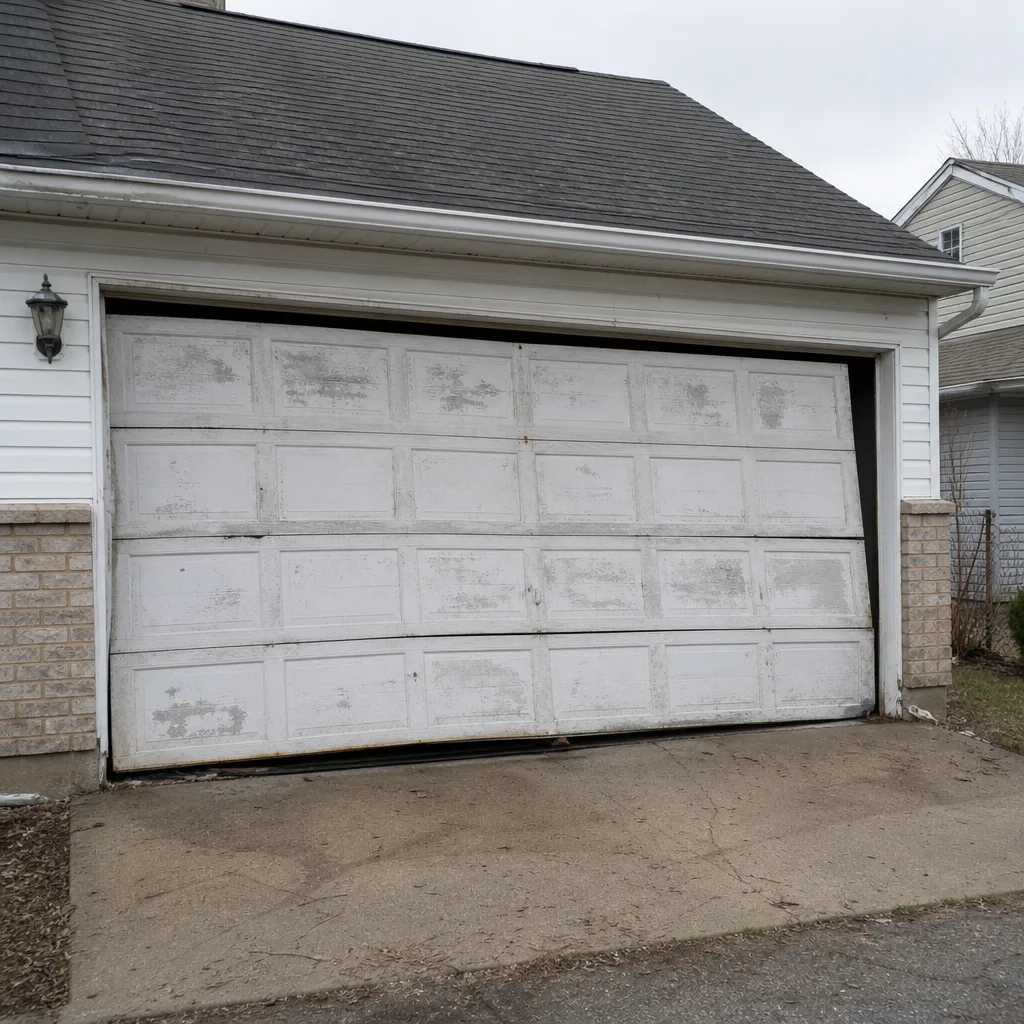 Before
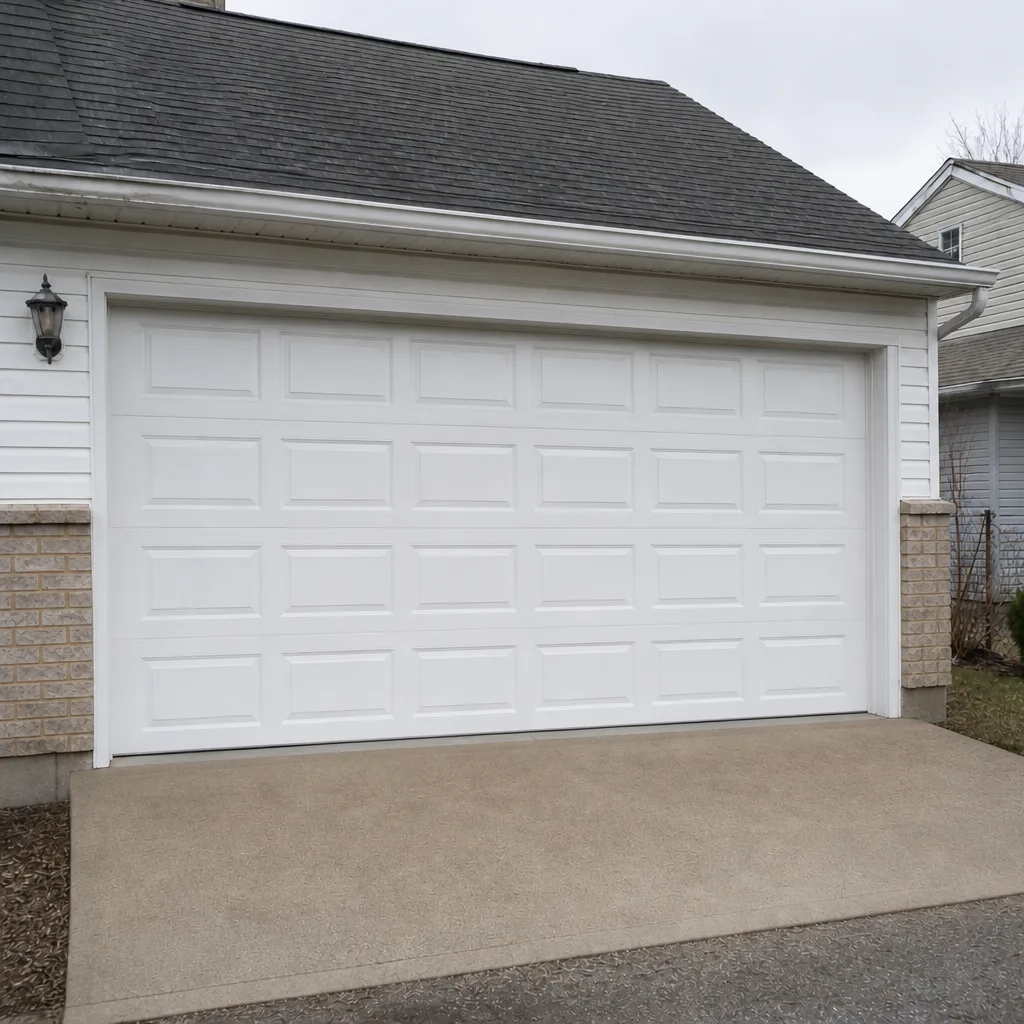 After
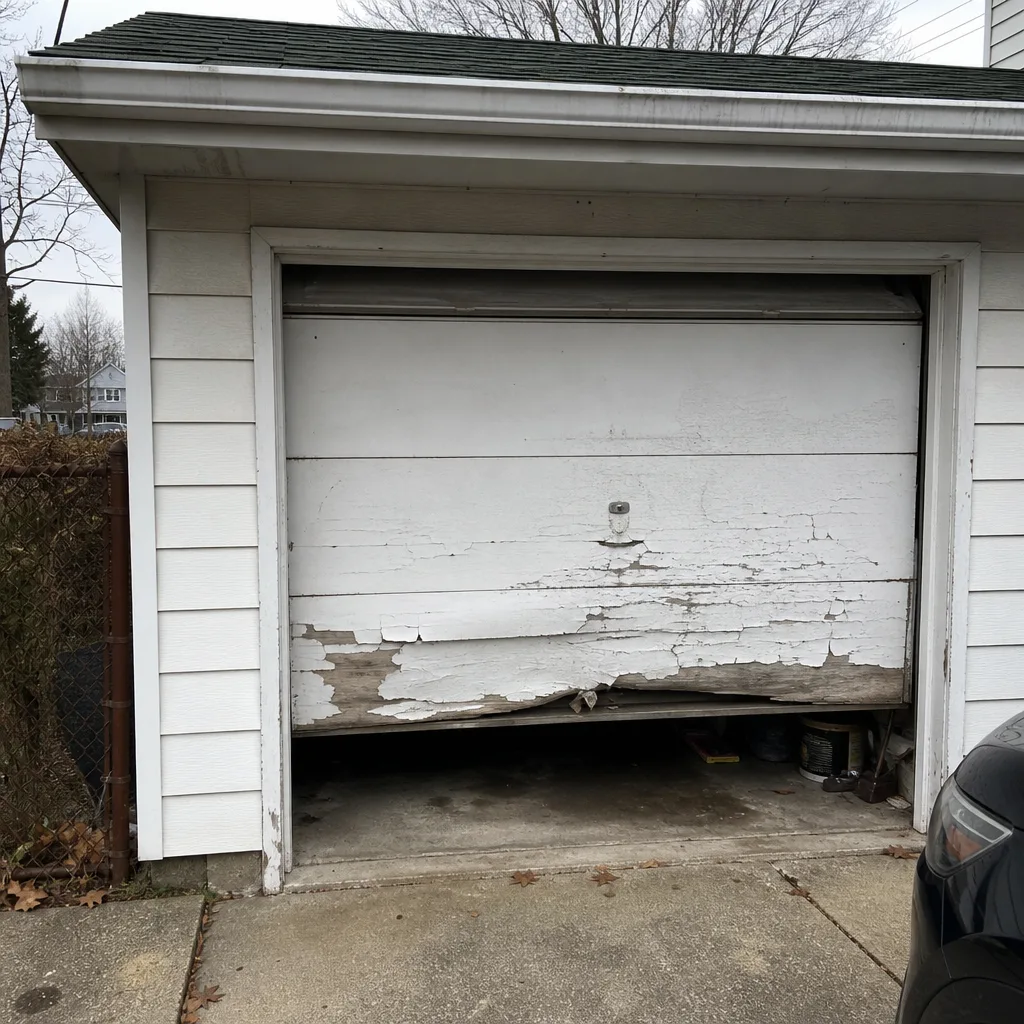 Before
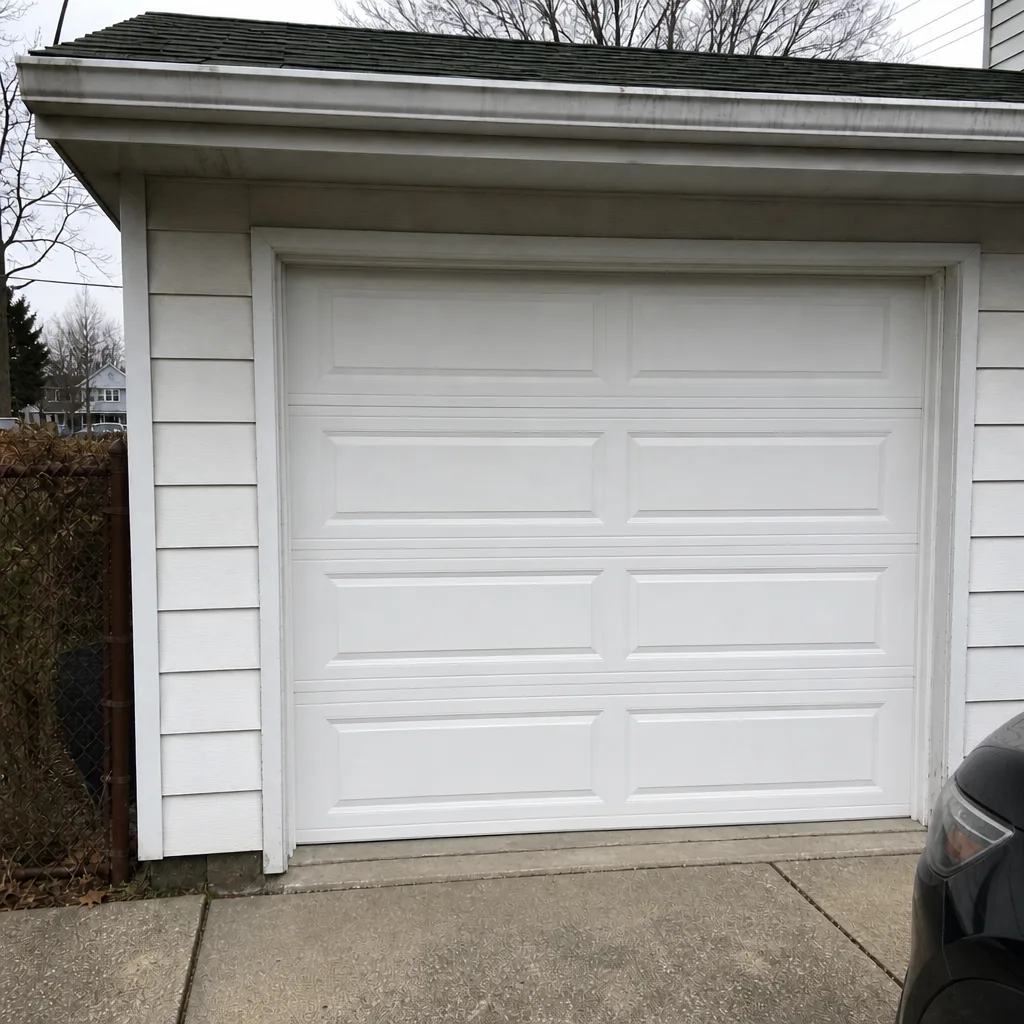 After
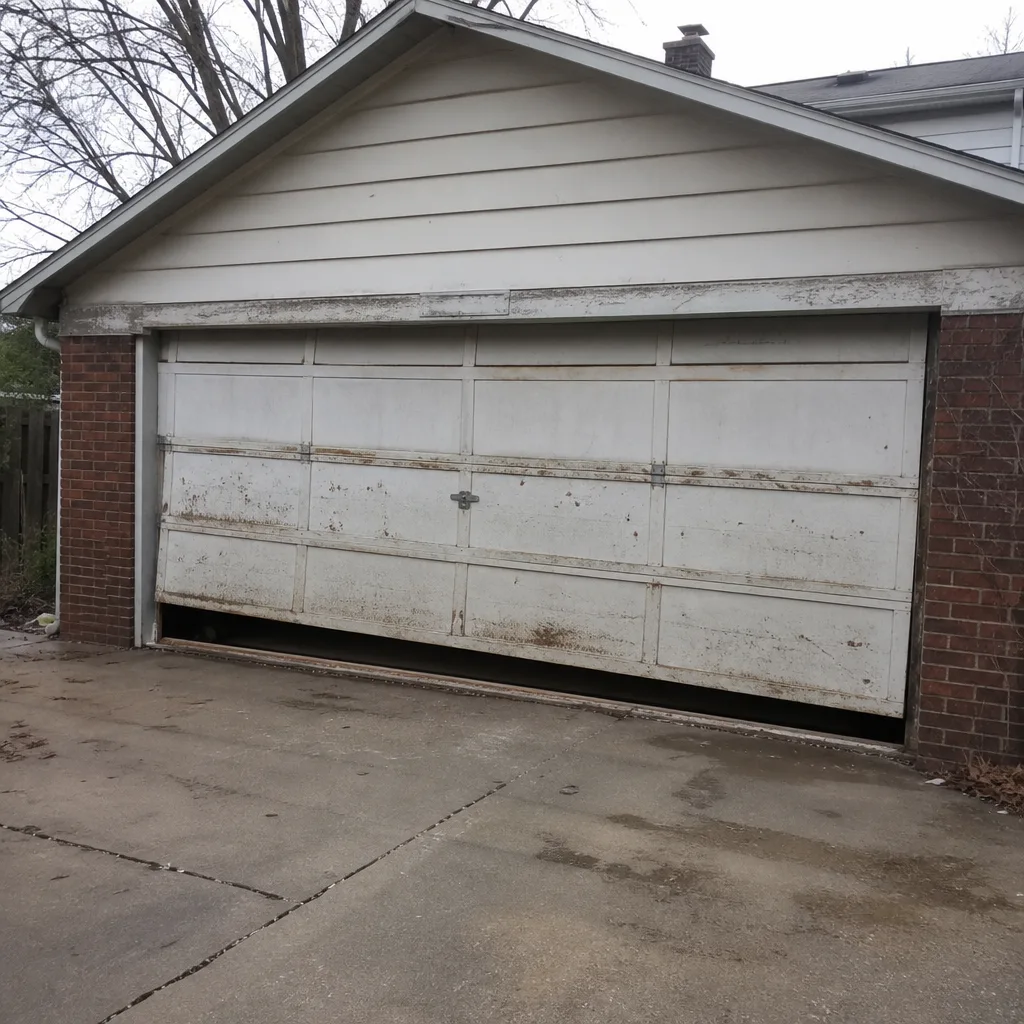 Before
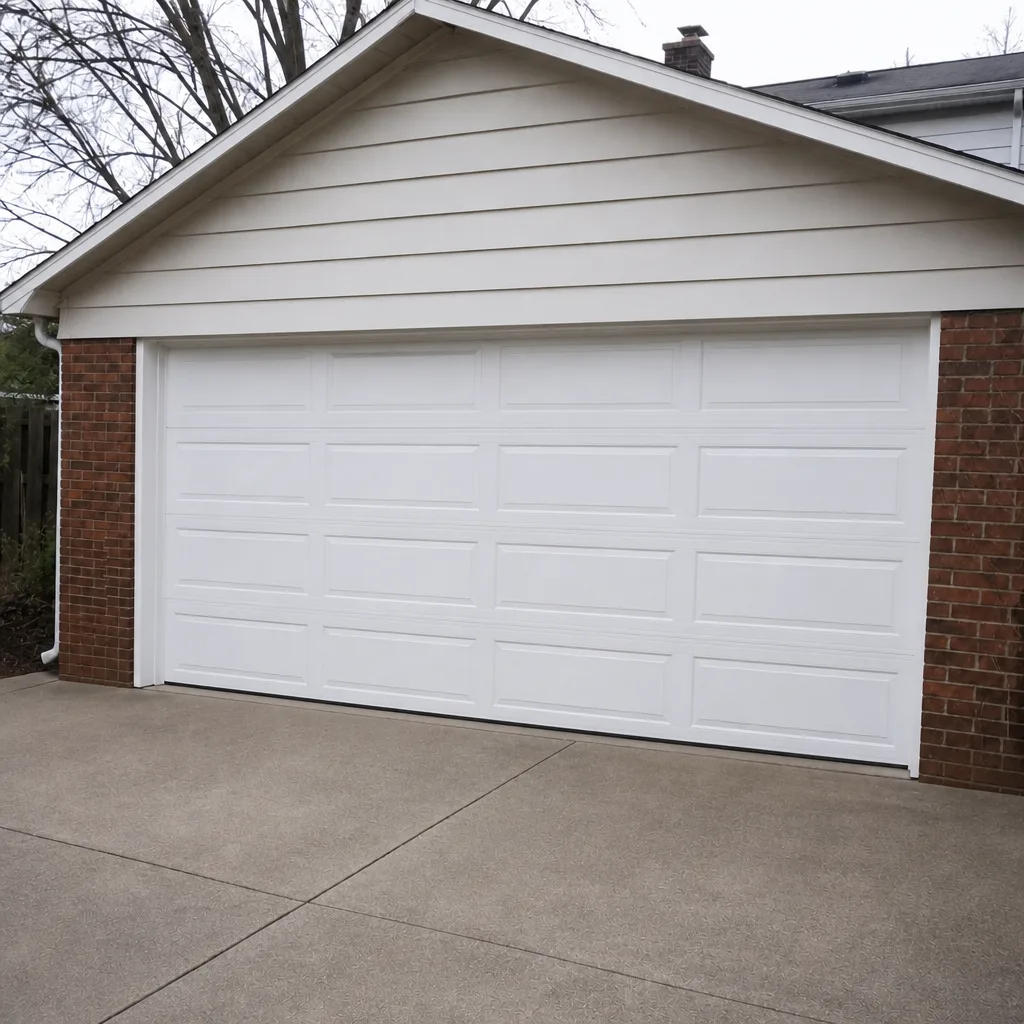 After
When to Call a Professional
Call us when you hear a bang, see a frayed cable, or lift a door that feels heavier than it used to. Call us when the door works most of the time but you can’t explain the exceptions. Call us when your opener runs but nothing moves, or when the door reverses before it touches the floor. Call us when the door is stuck open and the house is open with it, or stuck closed and a car is inside. Canton Garage Door Repair Co offers free estimates in Canton – call (877) 764-8983. Our technicians have up to 12 years of experience, and we’re certified on eight of the most common garage door and opener brands, including LiftMaster and Chamberlain. If you’re facing a new door instead of a repair, we can help with garage door installation too, and if you’d like the full picture of how we work, see Canton Garage Door Repair Co.
Frequently Asked Questions
The earliest warning is a door that feels heavier than it used to when you lift it by hand with the opener disconnected, followed by new grinding or squealing and occasional reversing. A properly balanced door should hold at halfway with almost no effort. If yours drops or feels like a dead weight, your springs are weakening. Call (877) 764-8983 and we’ll come out and check it – estimates are free.
Pull the manual release handle and try lifting the door by hand. If it’s too heavy to lift, the spring has failed. If it lifts easily by hand but the opener won’t lift it, the opener is the problem. Opener issues often show up as reversing, partial opening, or a motor that runs with no movement. If the diagnosis is unclear, call (877) 764-8983 and describe what you felt and heard – we can usually narrow it down before we arrive.
Not usually. A garage door almost always gives weeks or months of symptoms before it stops working, but the symptoms are easy to miss if you don’t know what to look for. That’s why we recommend the manual disconnect and lift test every few months, plus a visual check of cables and hinges. Catching the symptom early usually turns an emergency into a scheduled repair.
Intermittent failures usually trace to a partially cracked spring, a worn roller, a cable with one bad strand, or a safety sensor that’s slightly misaligned. Each of these can pass one cycle and fail the next. Intermittent is not a safe state to leave a garage door in, because the failure that finally comes can drop the door without warning. Call (877) 764-8983 and describe the exact pattern – that’s usually enough to plan the right repair.
No. Torsion and extension springs store dangerous amounts of energy, and a mistake can cause serious injury. Even experienced general handymen often decline the work. The right repair involves trained technicians, the right winding tools, and a proper reset of the whole system. Our spring repair is done in house, and we can come out today for a broken spring in Canton – call (877) 764-8983.
Yes. Freeze-thaw cycles thicken lubricants, contract metal, and stress springs, which is why doors in Canton tend to develop noise, alignment issues, and broken springs in winter. If your door is already noisy in the fall, get it checked before the first freeze. Cold weather doesn’t create most problems, but it exposes them. Call (877) 764-8983 for a free estimate.
The Bottom Line
A garage door tells you what’s wrong long before it fails. A heavy door means tired springs. A bang means a broken spring. Grinding means wear. Fraying means danger. Reversing means opener or sensor trouble. Asymmetric movement means a spring, cable, or track problem. The most valuable thing you can do is learn the language your door already speaks, because a symptom caught early is a scheduled repair and a symptom ignored is an emergency. Whether it’s a noisy door in Canton in November or a stuck door in July, the response is the same – describe what you feel and hear, and let a specialist sort it. Call Canton Garage Door Repair Co at (877) 764-8983 for a free estimate.
Written by the team at Canton Garage Door Repair Co.