Last updated November 21, 2026
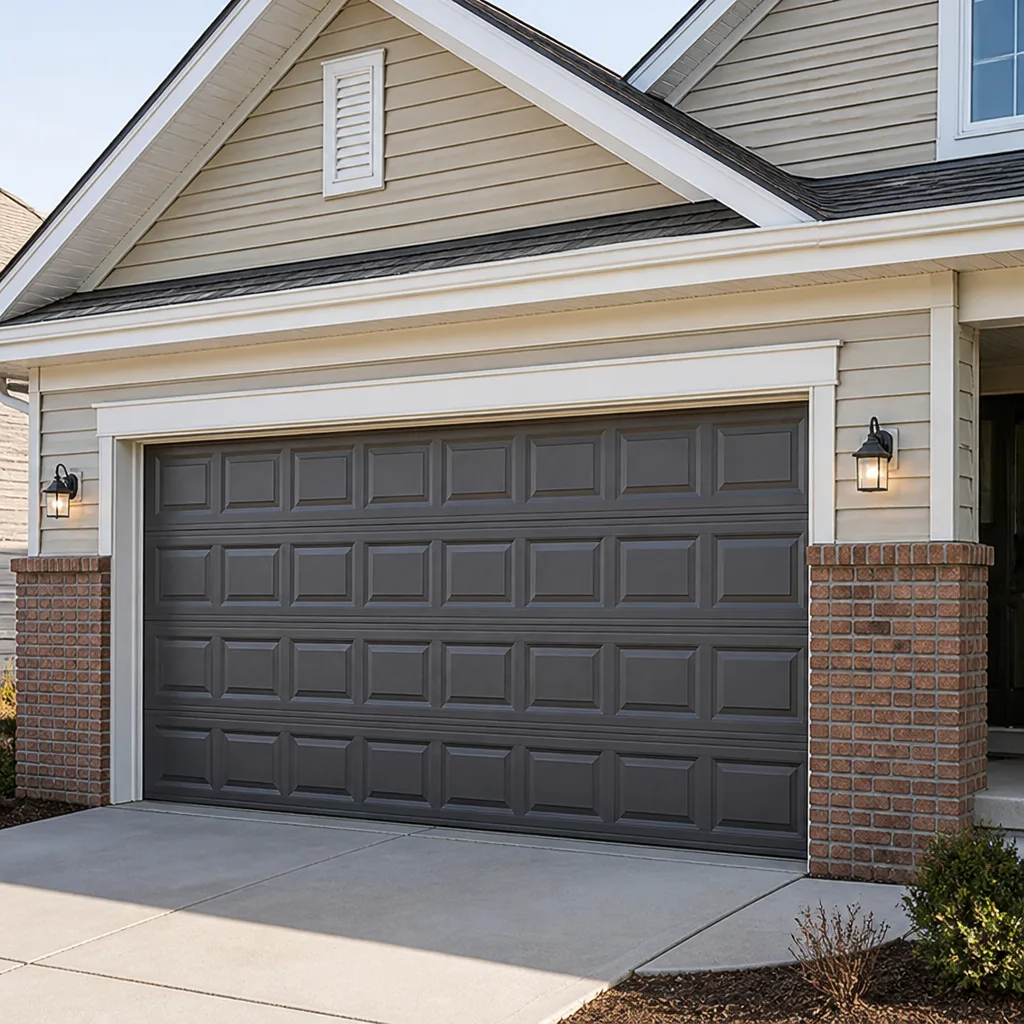 Raised-panel steel
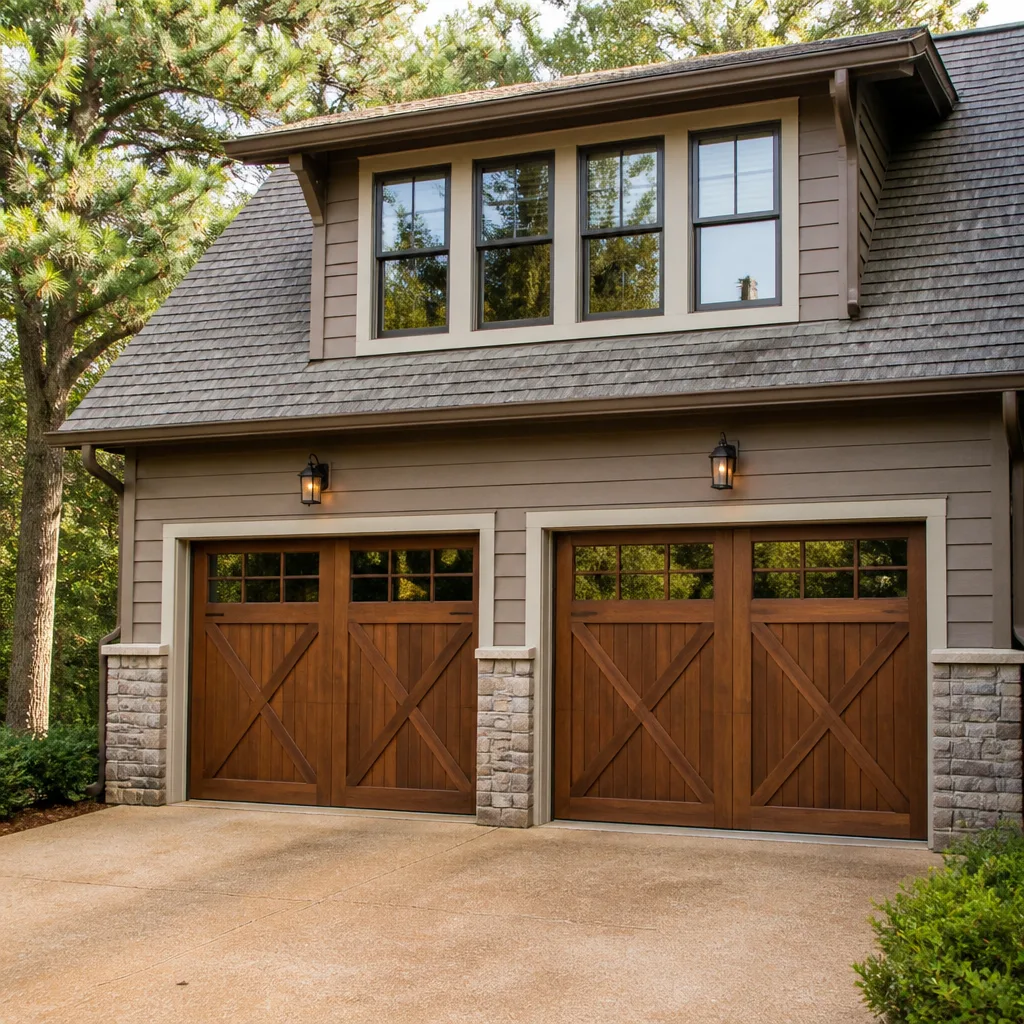 Carriage house
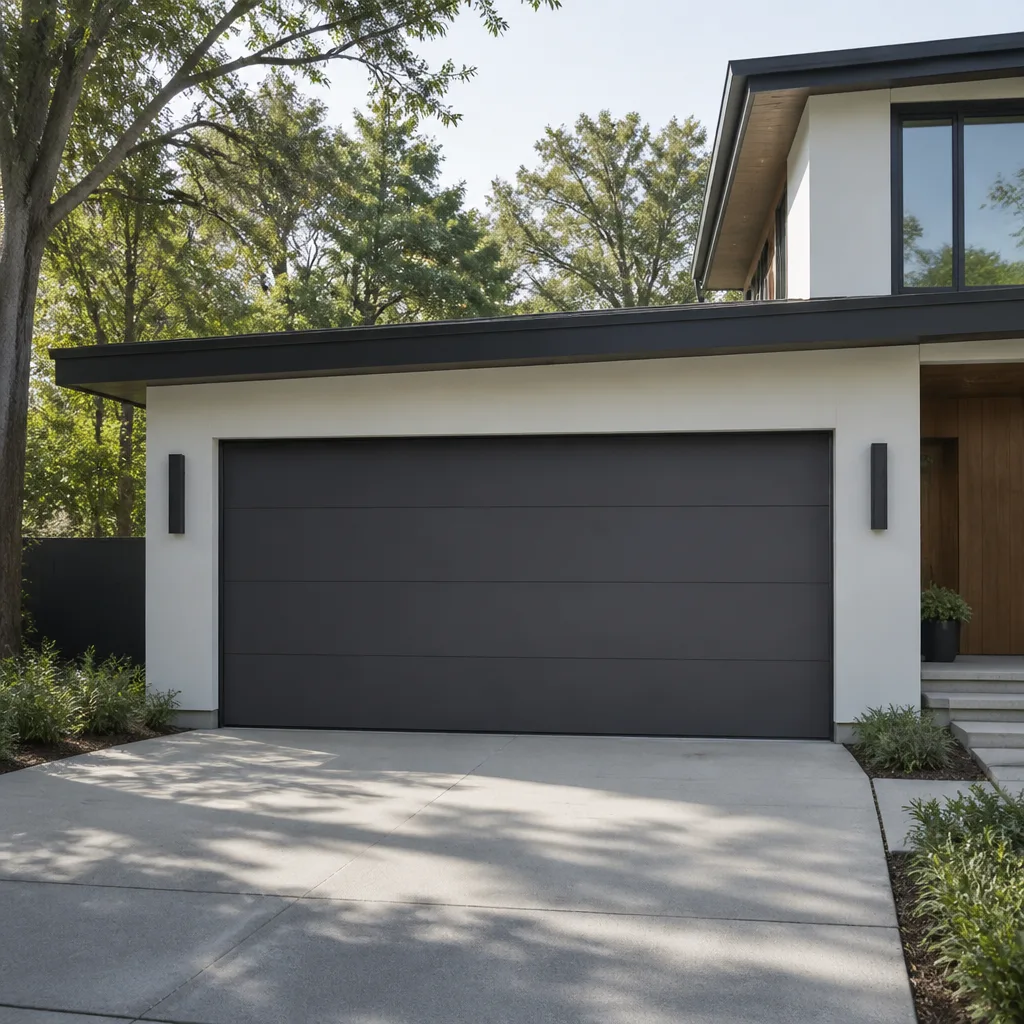 Modern flush
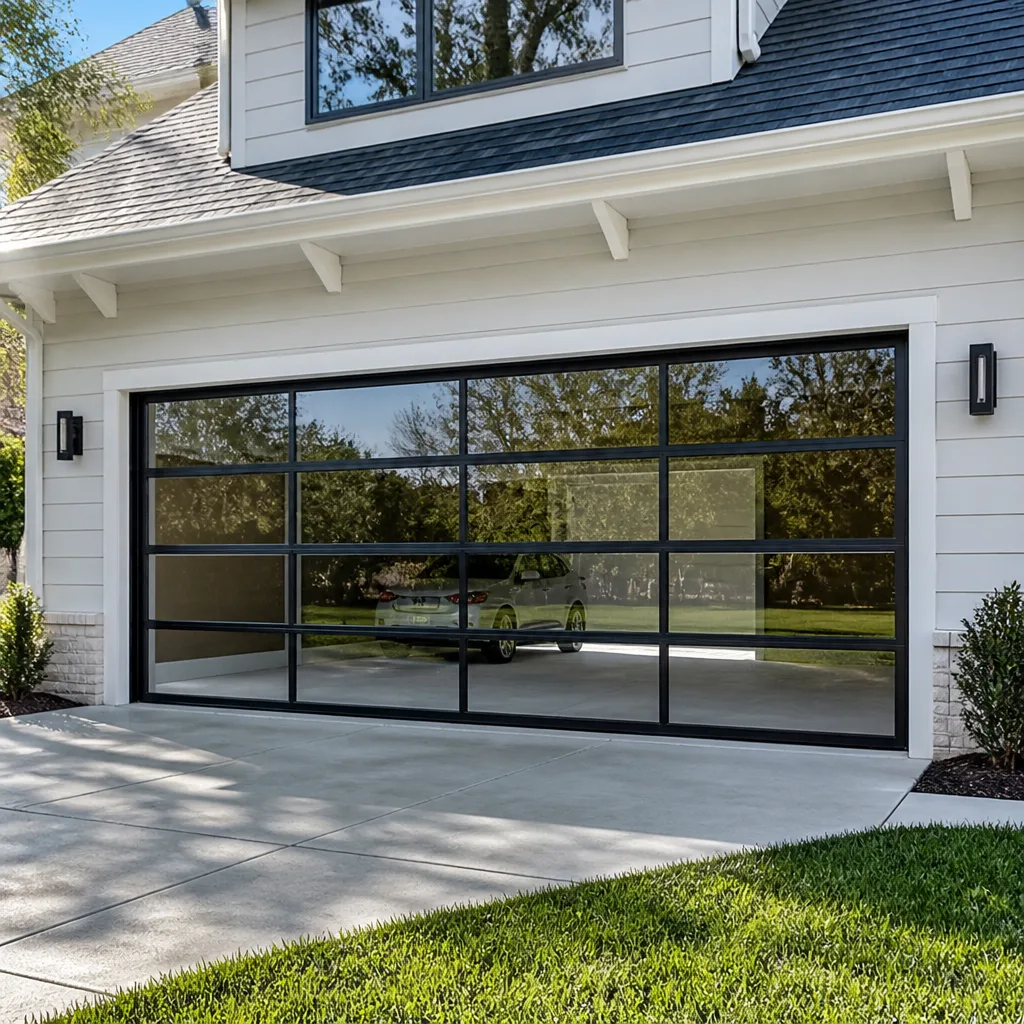 Full-view glass
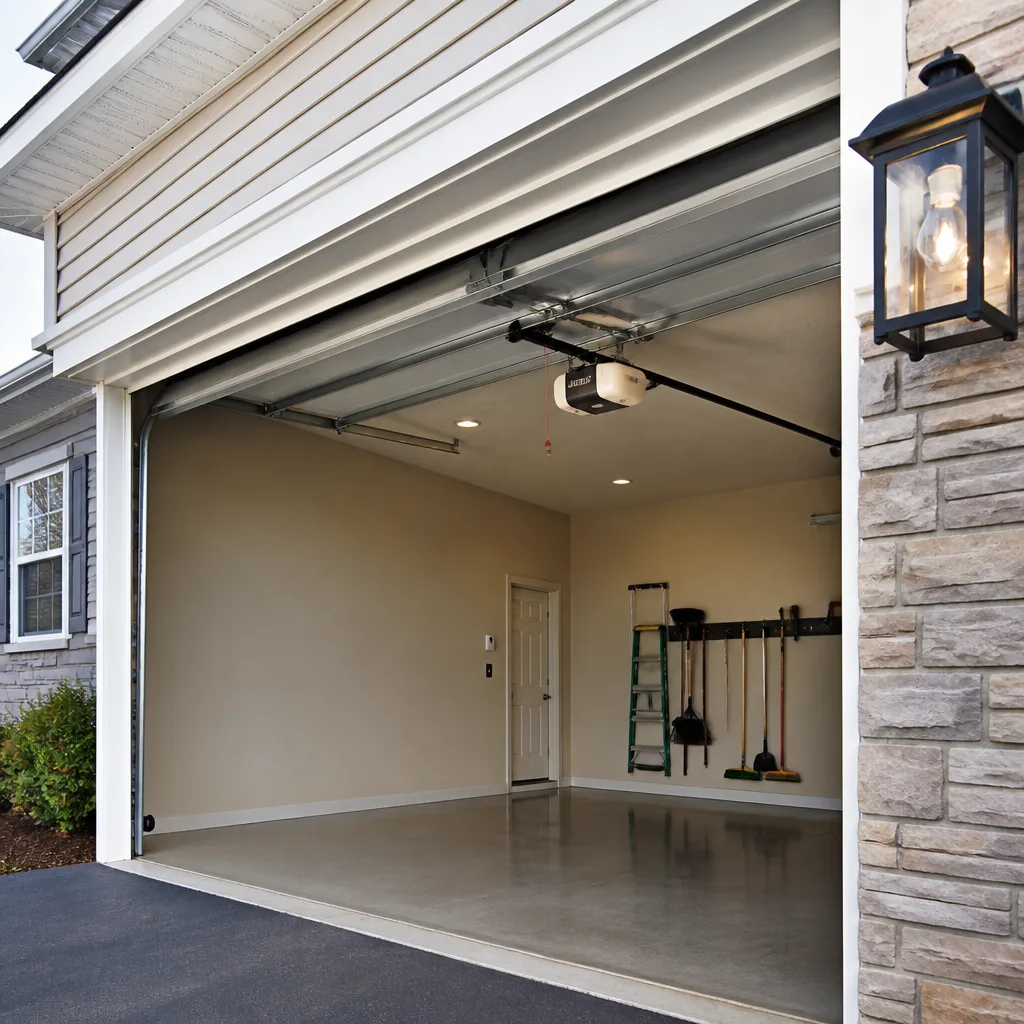 LiftMaster openers
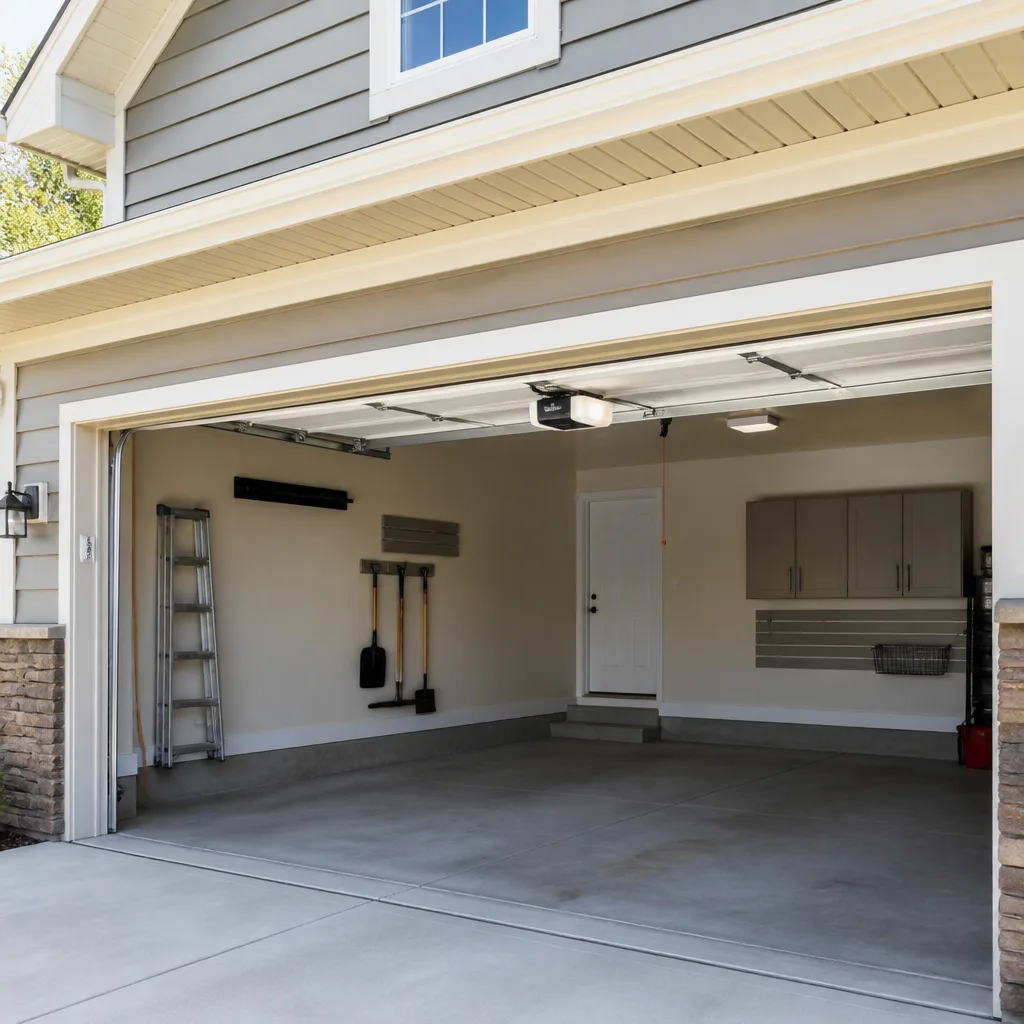 Chamberlain openers
Full 25-point door and opener safety check with every visit - springs, cables, rollers, tracks, and your LiftMaster or Chamberlain opener included
You get a price before we start. It does not change when the pro arrives.
Get your free estimateGarage Door Repair Maintenance Checklist for Canton Homeowners
The number-one cause of a garage door that stops working in January isn’t the January cold – it’s the inspection that didn’t happen in October. Canton’s freeze cycle turns minor wear into emergency calls in about six weeks, and the homeowners who avoid those calls are the ones who looked at their door while it was still warm outside. This guide is a maintenance calendar built around Canton’s actual weather windows, not a generic spring-and-fall list. You’ll learn which components to check each month, what to listen for, how to test a door safely without touching the springs, and what to log so a technician can diagnose a problem faster. Mention Canton once, because the geography is the whole point.
Quick Answer
A garage door maintenance checklist for Canton should follow the local weather calendar: check weather seals and drainage in March and April as the ground thaws, lubricate and inspect in May before summer humidity peaks, tighten hardware and test the opener force setting in September, and clear tracks, test balance and inspect springs in October before the first hard freeze. Two full professional tune-ups per year plus monthly homeowner checks catch most failures before they become emergency calls in Canton.
Styles & brands we work with
- Raised-panel steel
- Carriage house
- Modern flush
- Full-view glass
- LiftMaster openers
- Chamberlain openers
Table of Contents
- Why Canton’s Climate Sets a Different Maintenance Calendar
- The Canton Month-by-Month Maintenance Calendar
- What to Lubricate in Canton Winters (and What Fails Below 20°F)
- How to Test Spring Tension Safely Without Touching the Springs
- The Five-Minute Opener Force Test
- What to Log Each Time You Check Your Door
- What You Should Never Attempt Yourself
- Common Mistakes to Avoid
- When to Call a Professional
- Frequently Asked Questions
- The Bottom Line
Why Canton’s Climate Sets a Different Maintenance Calendar
Canton sits in a part of Ohio that gets the full four-season swing: frozen ground in January, a wet thaw in March, muggy summers in July and August, and a first hard freeze that can arrive before Halloween decorations come down. Every one of those transitions does something specific to a garage door, and each one hits different components.
The freeze cycle is the big one. Water works its way into the bottom seal, the track bolt holes and the weatherstripping around the frame during fall rain, then freezes and expands. That expansion pulls fasteners loose and splits rubber. Six weeks after the first hard freeze, we start getting the calls: a door that won’t close all the way because the bottom seal has frozen to the concrete floor, a torsion spring that snapped because the metal was cold and the door had been running slightly heavy since September, a track that’s pulled away from the jamb because a lag bolt worked loose.
Summer brings its own problems. Canton’s humidity swells wood door frames and wooden door panels, which changes the fit inside the opening. Rollers that were quiet in April start squealing in July. The grease a well-meaning homeowner sprayed on the tracks in spring collects dust and grit and turns into grinding paste by August.
The point is that maintenance here isn’t a both-seasons checklist. It’s a calendar. The rest of this guide walks that calendar month by month, with the specific components to check and the specific symptoms to write down.
The Canton Month-by-Month Maintenance Calendar
This calendar assumes a standard sectional garage door with either a torsion spring or extension springs and a chain or belt-drive opener. Adjust the professional-service intervals to your door’s age and how often you use it. A door that opens and closes a dozen times a day needs more attention than one used twice a week.
January and February: The Deep-Freeze Watch
- Visual check weekly: Look at the bottom seal where it meets the floor. If you can see daylight, cold air is entering and the seal is a candidate for replacement before spring.
- Listen: Any new pop, boom or grinding sound in cold weather is a signal. Doors are louder in cold weather – but a sudden new noise is not normal.
- Don’t force it: If the door moves stiffly in a deep freeze, the door or opener is telling you something. Forcing it strains the opener’s gears and the door’s springs.
- Keep the tracks clear: Snow, ice and road grit tracked into the garage can pack into the lower track sections.
March and April: The Thaw Inspection
This is the most important window in the Canton calendar. As the ground thaws, everything that froze in place shifts. This is when you check:
- Track bolts and lag screws: Walk the full length of both tracks and check that every fastener is snug. Do not overtighten – you’re checking, not rebuilding.
- Bottom seal integrity: Look for cracks, tears or sections that have pulled away from the door panel.
- Weatherstripping on the frame: Check the rubber or vinyl strip around the opening for gaps and cracks.
- Rust on the bottom panel: Steel doors rust first at the bottom, where meltwater sits. Scrape, treat and paint small spots before they spread.
- Drainage outside: Confirm the ground outside the garage door slopes away from the opening so spring rain doesn’t pool against the seal.
May and June: Pre-Summer Lubrication
- Lubricate hinges, rollers and the torsion spring coils (the coil, not the cable) with a product suited to the temperature range – see the lubrication section below.
- Wipe the tracks down with a rag and a light cleaner. Never grease the tracks themselves.
- Test the safety reverse system (the photoelectric eye at the bottom of the tracks and the pressure reverse). Both should be checked monthly, but this is the month to do it thoroughly.
- Check the opener’s manual for its force-setting adjustment and note the current position.
July and August: The Humidity Check
Canton’s summer humidity swells wood components and slows everything that moves. During this window:
- Re-lubricate rollers and hinges if they’ve started squealing. The spring application from May has likely thinned.
- Check that the door still closes flush with the floor. If a wooden door has swollen and is catching, don’t force it – the opener will overwork.
- Look for rust bloom on the steel panels and hardware.
- Clean the safety-eye lenses. Dust and cobwebs are a common cause of a door that won’t close.
September: Pre-Freeze Tightening
This is the second critical window. Before the first hard freeze, tighten and inspect everything:
- Tighten all hinge, bracket and track fasteners. Cold-weather use will loosen anything already slightly loose.
- Test the door’s balance (see the spring-tension section).
- Run the opener force test on the door and note the result.
- Apply a cold-rated lubricant to hinges, rollers and the spring coil.
- Confirm the bottom seal sits flat on the concrete and doesn’t need replacement.
October: The Pre-Freeze Professional Inspection
If you’re going to book one professional tune-up a year in Canton, book it in October. A trained technician can spot a tired spring, a worn cable, a bent track or a failing opener gear before the freeze cycle turns those into emergencies. Book the second tune-up in April, after the thaw.
November and December: The Cold-Weather Watch
- Recheck the force test as temperatures drop. Cold grease thickens and cold steel stiffens.
- Watch for the door reversing unexpectedly or stopping mid-travel.
- Keep the tracks free of salt and grit tracked in from the driveway.
- Note any new noise for your log.
What to Lubricate in Canton Winters (and What Fails Below 20°F)
The right lubricant for a garage door in Canton isn’t the same thing you’d use in Tucson, and it isn’t the same product in January as it is in July. Several common household lubricants thicken or gum up in cold weather and actually make things worse.
What fails below 20°F
- Petroleum jelly and generic grease: These thicken noticeably below 20°F and turn rollers into dragging wheels.
- WD-40 as a long-term lubricant: It’s a solvent and light oil, not a hinge lubricant. It cleans and displaces moisture but it doesn’t stay put. Sprayed on in October, it’s mostly gone by December.
- Graphite powder in wet weather: Graphite is fine for locks but it can gum in humid conditions when it traps moisture.
- Cooking spray and silicone meant for kitchen use: They don’t have the staying power for a moving garage door hinge.
What Canton technicians actually use
The standard in the trade is a lithium- or silicone-based garage door lubricant, or a purpose-built white lithium grease, applied sparingly. In deep-winter Canton conditions, our technicians reach for cold-rated white lithium or a silicone spray on the hinges, rollers and the spring coil. The specific product matters less than the temperature rating on the can – if it’s rated for cold use, it will keep its viscosity below freezing.
What NOT to lubricate
- Never grease the tracks. They need to be clean and dry so the rollers can turn inside them. Greasing the tracks collects dust and creates grinding paste.
- Never oil the torsion spring’s cable. Cables don’t need lubrication and adding oil can cause them to fail faster.
- Never spray silicone onto the opener’s drive belt. It can cause the belt to slip.
If you’re not sure which product is appropriate for your door and its hardware brand, the safest move is to have it done during a professional tune-up. We work on Canton Garage Door Repair Co brand parts every day, including the Clopay and Amarr doors that come with specific hinge and roller recommendations from the manufacturer.
How to Test Spring Tension Safely Without Touching the Springs
The torsion spring (mounted horizontally above the door) or the extension springs (mounted above the tracks on either side) are the highest-stored-energy components on the door. A torsion spring under load can cause serious injury if it releases unexpectedly, and there’s no safe way for a homeowner to adjust one. What you CAN do is read the door’s behavior for signs the springs are losing tension. Those signs show up long before a spring snaps.
The manual balance test
- Close the door completely, with the opener disconnected. Most openers have a red emergency release cord you pull to disconnect the carriage from the rail. Pull it.
- Raise the door halfway by hand and let go. Do not stand under it.
- A properly balanced door should hold its position without help. If it drifts down, the springs are losing tension. If it drifts up, they may be under too much tension (rare, but possible).
- Lower the door and reconnect the opener.
The visual and audio cues
- A visible gap in a torsion spring: Torsion springs are coil-wound; a spring that’s failed often has an obvious split. Never touch a split spring – call a technician.
- Stretched extension springs: Extension springs should still have a small gap between coils when the door is closed. If they look even and tight, they’re carrying less tension than they should.
- A door that’s heavy in one direction: If lifting the door by hand is noticeably harder in October than it was in May, the springs are losing strength.
- A single loud bang from the garage: This is often the sound of a torsion spring snapping. Don’t use the door; call for garage door repair.
Springs lose tension gradually. The door still opens, so the homeowner doesn’t notice, but the opener is working harder every month. Then in January the opener’s gear strips or the door gets stuck halfway up. That’s why the October check is the calendar’s most important single item.
The Five-Minute Opener Force Test
The opener’s force setting determines how much pressure it will apply before it gives up and reverses. If the setting is too high, the opener can crush an object that gets in the way. If it’s too low, the door can reverse for no obvious reason on a cold morning. Either way, the test tells you and a technician something important about the door’s health.
How to run the test
- Close the door and confirm the safety eye sensors on both sides of the track are clear and their indicator lights are on.
- Press the wall button to open the door. Watch the door go up. Does it move smoothly, or does it seem to struggle at any point?
- Press the button again to close. Watch it come down. Does it slow down at any point? Does it reverse unexpectedly?
- Repeat twice more. Note any hesitation, unusual sound, or reverse.
The details differ by brand. Chamberlain and Genie openers each have their own force-setting procedure, usually described in the manual, usually adjustable via a screw or a menu on the opener motor head. If you’ve never adjusted yours, don’t start now – the door should be able to open and close easily with the factory setting. If it can’t, the door has a problem the force setting is masking.
What the results mean
- Door opens and closes smoothly, no hesitation: The door is fine. Repeat the test monthly.
- Door reverses for no reason: Likely a safety-eye alignment issue, or an over-sensitive force setting, or a stiffening door.
- Door hesitates or slows at one point: The track, rollers or hinges are binding. Or the springs are losing tension.
- Door won’t reverse when it hits a small object (like a rolled-up towel): The force setting is too high, or the safety reverse system needs adjustment. Stop using the door until it’s fixed. If the opener is beyond what the manual describes, it’s time for garage door opener repair.
One more opener test: the safety eye
The photoelectric eye is the pair of sensors at the bottom of the tracks. Break the beam with your leg while the door is closing – the door should reverse immediately. If it doesn’t, or if the indicator light is blinking, that’s a real safety issue that needs attention before the next automatic close.
What to Log Each Time You Check Your Door
Every time you do a five-minute check, write down the answers. Nothing elaborate – a note in your phone is enough. A maintenance log lets a technician diagnose the door in minutes instead of hours, especially if you eventually call us and we need to know what’s been happening over time.
The fields to record
- Date and outside temperature – so any pattern links to Canton weather.
- Any new sound – “squeak when closing” or “pop near the top when opening” is more useful than nothing.
- The balance test result – holds, drifts down, drifts up.
- The force test result – smooth, hesitates, reverses.
- Any change in the bottom seal or weatherstrip – visible cracks, gaps, ice accumulation.
- Any change in track alignment or fastener tightness – snug, loose, rattling.
- Any change in the opener’s behavior – light status, unusual noises, remote range.
- Anything you tried to fix yourself – so a technician doesn’t start from scratch.
Two or three sentences per entry is plenty. The value is in the pattern, not in the detail. If your log shows that the balance test has been drifting for three months, that’s a spring replacement conversation. If your log shows that the force test result changed suddenly after a storm, that’s a track or seal conversation.
What You Should Never Attempt Yourself
Garage doors are the largest moving object in most homes, and some of their components store enough energy to cause serious injury. There’s a reason spring repair is one of the few jobs general handymen decline. Here’s the line:
- Don’t touch the springs. Torsion and extension springs are under high tension. Adjusting, replacing or even touching a loaded spring without the right tools and training is a real physical risk.
- Don’t loosen the torsion bar or drum. The cables on the torsion system carry the full door weight. Loosening anything on the torsion assembly with the door up or partially up is dangerous.
- Don’t try to straighten a bent track by force. A track that’s bent can twist under the door’s weight and cause the door to drop.
- Don’t replace an opener on your own if you’re not comfortable with electrical work. Openers connect to household wiring, and the safety reverse system needs to be tested against the manufacturer’s specification before the door is put back into service.
- Don’t stand under a door that’s held open by the opener alone. If the door is open and the opener is what’s holding it, don’t walk under it. For any check that involves the door being up, have someone with you.
We’re not being precious about it. Our technicians work on springs daily and the tools are the reason. There’s no safe shortcut for a homeowner who hasn’t been trained, and there’s no tool at the home improvement store that substitutes for the training.
Common Mistakes to Avoid
- Treating the October check like the only annual check. Canton’s freeze cycle makes October the biggest single date, but the April check catches the thaw damage that October’s check hasn’t happened yet to see. Skip one and you’ll skip the other.
- Greasing the tracks. It’s the single most common mistake we see. Greased tracks collect dust and grit and turn into grinding paste within weeks. Clean the tracks; don’t lubricate them.
- Using WD-40 as a garage door lubricant. It’s a solvent, not a hinge lubricant. It displaces moisture and then evaporates. Use a cold-rated garage door lubricant on hinges, rollers and the spring coil.
- Adjusting the opener force setting to compensate for a struggling door. If the door is struggling, the force setting is masking a problem. Crank it up and the next thing you know the opener crushes something the safety reverse should have stopped.
- Ignoring a single loud bang from the garage. A torsion spring snapping produces a distinctive bang that homeowners often mistake for a car backfiring or a door slamming. If you hear it, stop using the door and call a technician.
- Letting the bottom seal stay damaged through the freeze. A torn seal lets meltwater into the door’s lower panel, and Canton’s freeze-thaw cycle works that water into every crack it can find. Small repair in October becomes rust repair in spring.
- Calling a general handyman for a spring repair. Springs aren’t a general handyman job. The right call is a garage door specialist with the tools, the training and the brand experience for your door.
When to Call a Professional
Most of the checklist in this guide is homeowner work. A handful of situations call for a technician, and they’re worth naming specifically.
Call a professional if any of these are true:
- The balance test shows the door drifting significantly or the door is noticeably harder to lift than it was a few months ago.
- You’ve heard a loud bang from the garage, or the door has stopped opening and you can see a gap in the spring.
- The safety reverse test fails – the door doesn’t reverse when it hits an object or the photo eye doesn’t work.
- A track is bent, a roller is separated from the door, or a cable is visibly frayed.
- The opener is making new noises, running but not moving the door, or has a light flashing that the manual links to a fault.
- The door has never had a professional inspection and it’s more than a few years old.
Canton Garage Door Repair Co offers free estimates in Canton – call (877) 764-8983. Our technicians have up to 12 years of experience and work across the eight major brands we’re certified on: LiftMaster, Chamberlain, Genie, Clopay, Amarr, Wayne Dalton, Craftsman and Raynor. If the check turns into a repair, we quote the price and confirm it with you before any work starts. The written estimate is the price.
If it’s time for a full new door rather than a repair – say the panels have rusted through or the door is beyond economic repair – a garage door installation first requires a free measure and a written quote. That’s scheduled work, not a same-day job, but the visit to measure it out is free and the number we give you is what we stick to.
Frequently Asked Questions
Twice a year for a full professional tune-up – one in April after the thaw and one in October before the first hard freeze – plus a five-minute homeowner check monthly. A door used more than six times a day benefits from a third professional check mid-summer. Call (877) 764-8983 to book an estimate.
Some noise increase in cold weather is normal. Cold steel stiffens, cold grease thickens, and the door’s components move slightly harder – so a door that was quiet in September is a bit louder in January. A sudden new noise (a pop, boom or grinding) is not normal, regardless of temperature. If a new sound appears, check the balance test and call for an estimate.
You can test the door’s balance and read the spring’s visible condition without ever touching the spring. Raise the door halfway by hand with the opener disconnected and see if it holds. Never touch, adjust, oil or replace the spring itself. Spring repair is the highest-risk repair on a garage door, and it’s why our technicians handle it with the tools and the training. Call (877) 764-8983 if the balance test suggests a problem.
Not as a long-term lubricant. WD-40 is a solvent and light oil – it displaces moisture and evaporates. It’s fine for cleaning, but for hinge and roller lubrication in Canton’s climate you want a cold-rated garage door lubricant, such as a white lithium grease or silicone spray. Apply sparingly, and never apply anything greasy to the tracks.
Stop using the door and call for service. A garage door that doesn’t reverse when it hits an object is a serious safety issue, especially in a home with children or pets. The fix is usually a simple adjustment to the safety eye alignment or the force setting, but a technician needs to run the test on-site and confirm the fix before the door goes back into service. Call (877) 764-8983.
The basic components are the same, but commercial doors run more cycles per day and typically carry heavier springs and openers, which shortens the maintenance interval. A commercial door in Canton often needs a professional check every other month rather than twice a year. If you run a small business with a garage door, call and let us know the door’s usage so we can recommend an interval.
The Bottom Line
The best garage door maintenance checklist for a Canton home is a calendar, not a list. The two anchor points are October (before the freeze) and April (after the thaw), and both are worth doing even if the door seems fine, because a struggling spring or a starting-to-fail opener is much cheaper to fix in September than in January. Monthly five-minute checks, a cold-rated lubricant, a balance test you don’t take past the door’s behavior and a short log of what you see give a technician everything they need to diagnose a repair in one visit. If you’re ready to book a tune-up or you’ve found a problem in this guide, we’re here to help. Call (877) 764-8983 for a free estimate and upfront pricing before any work starts.
For a broader look at the services we cover, see our garage door repair and garage door opener repair pages, or start with Canton Garage Door Repair Co for an overview. And if you’re planning ahead, our garage door installation page covers what to expect when a maintenance checklist turns into a replacement conversation.
Written by the team at Canton Garage Door Repair Co.
See the difference
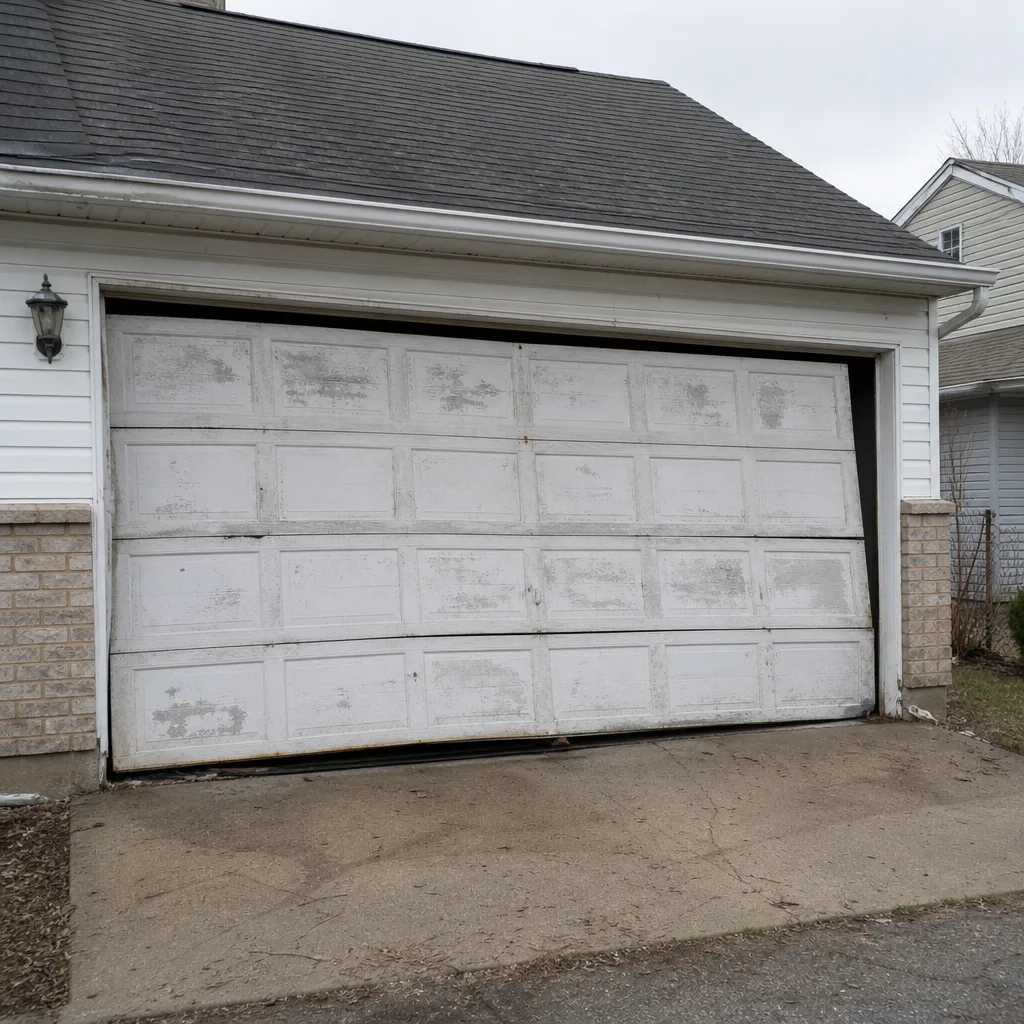 Before
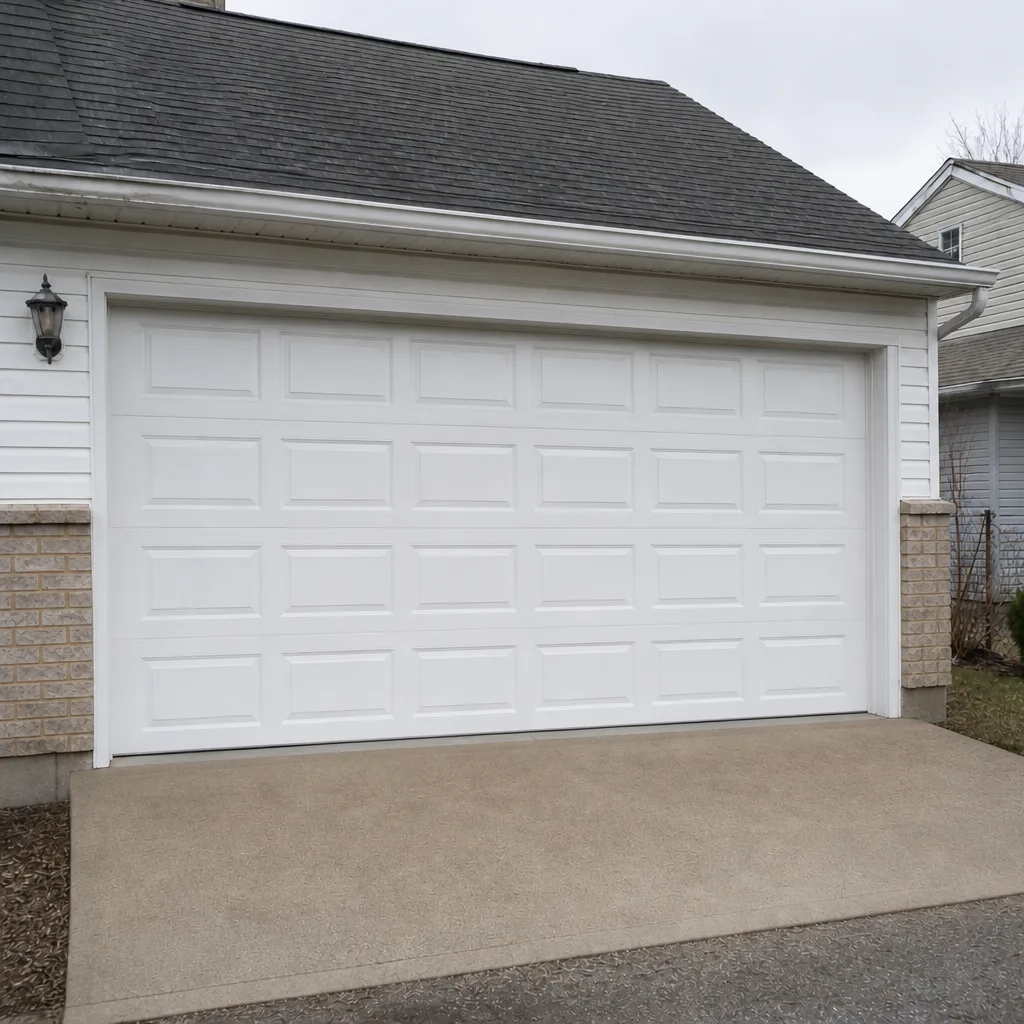 After
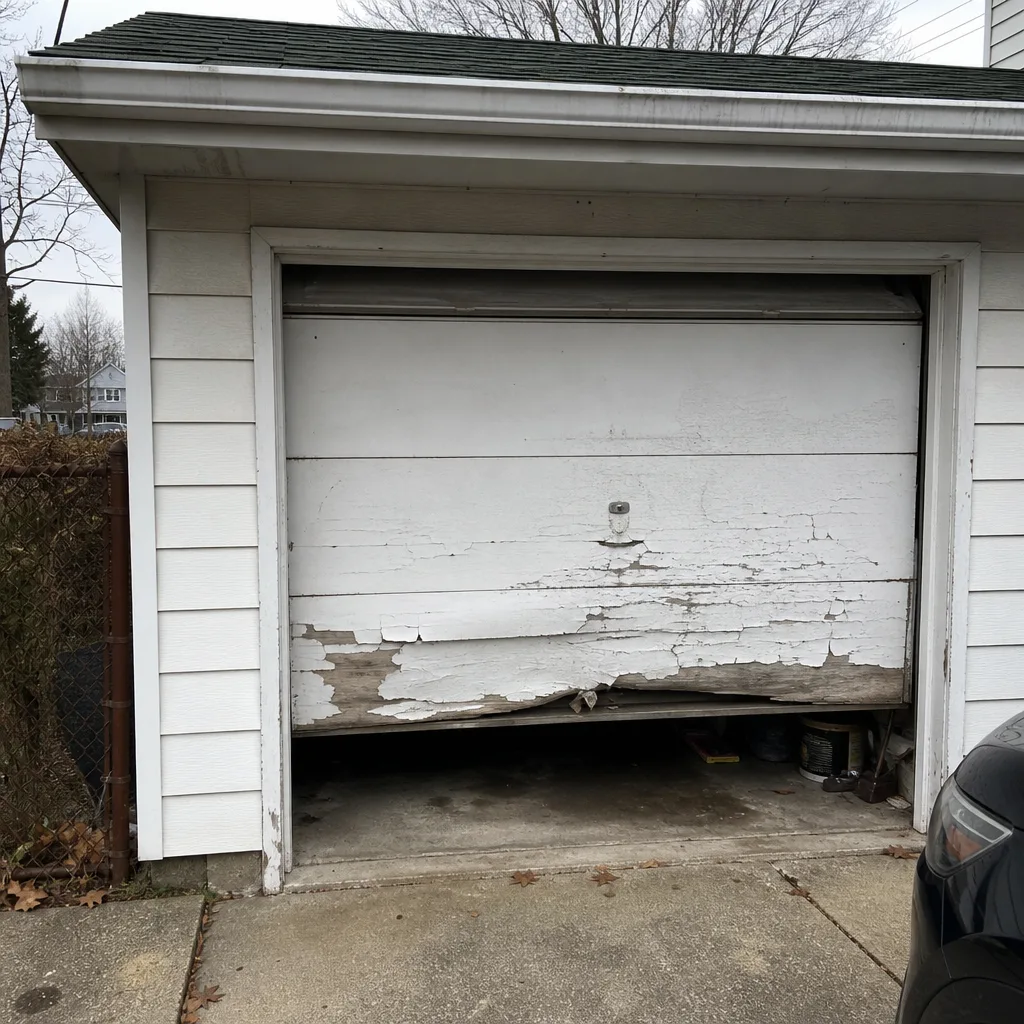 Before
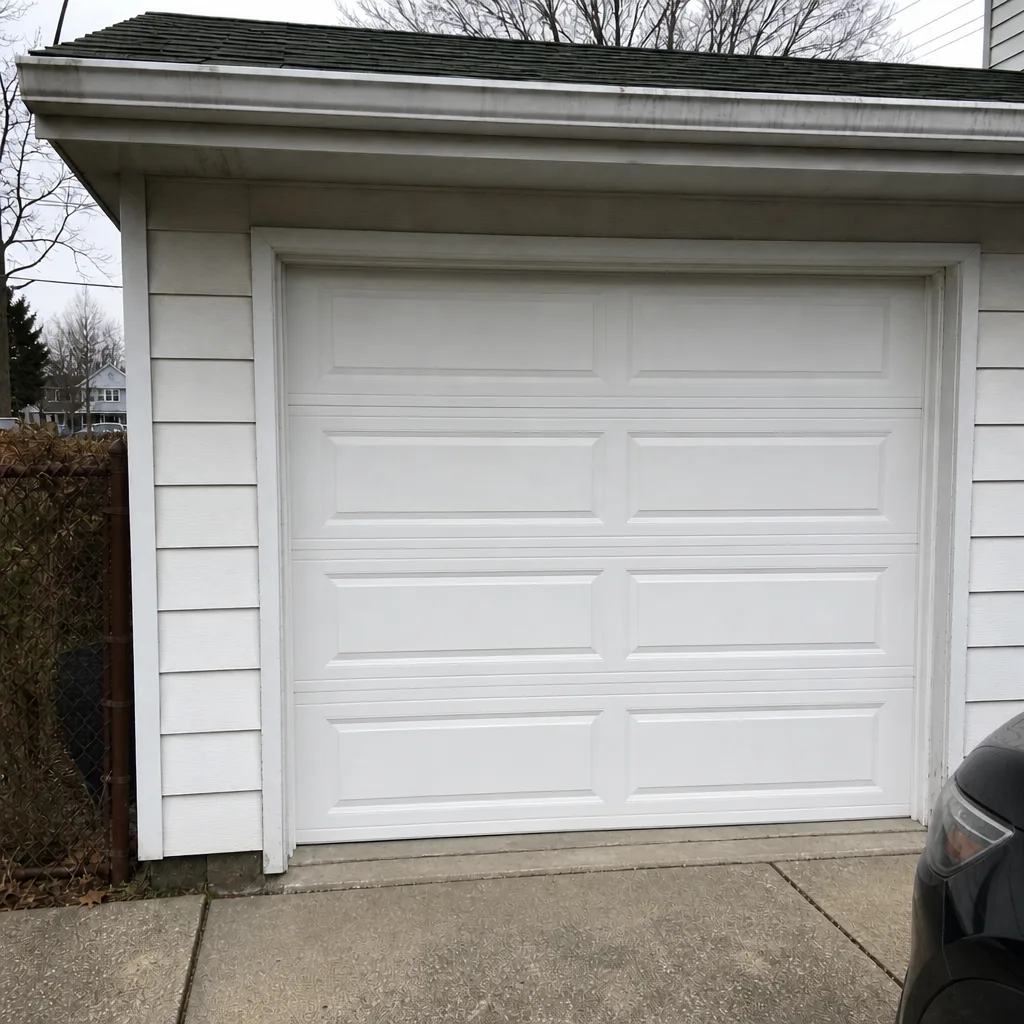 After
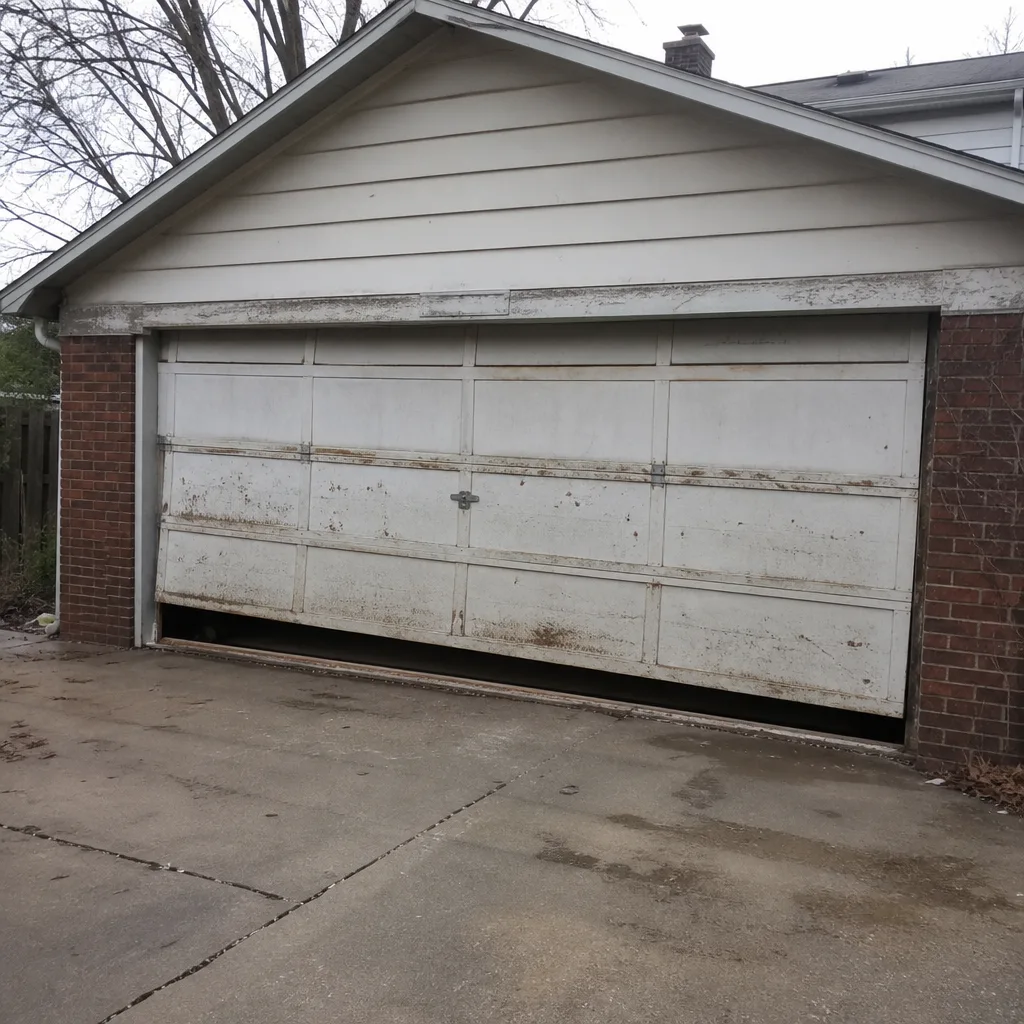 Before
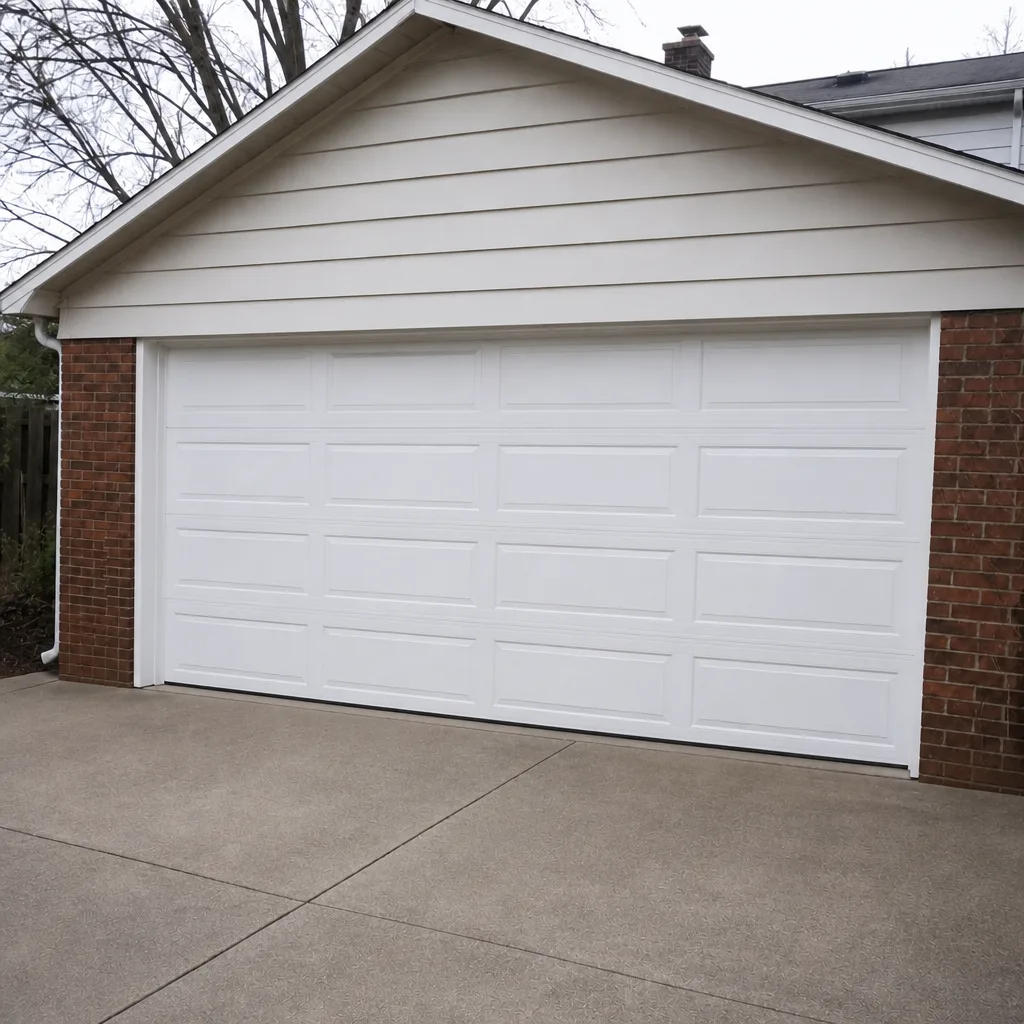 After