Last updated November 21, 2026
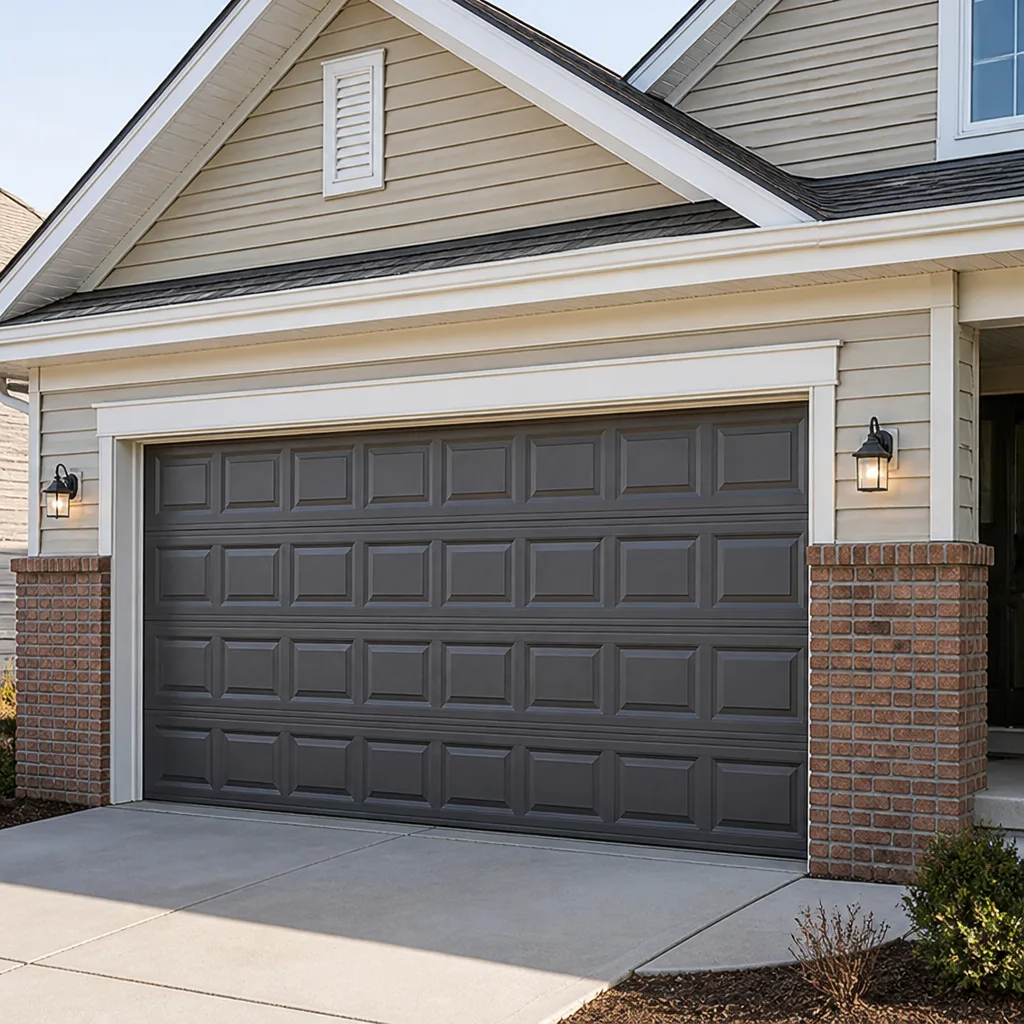 Raised-panel steel
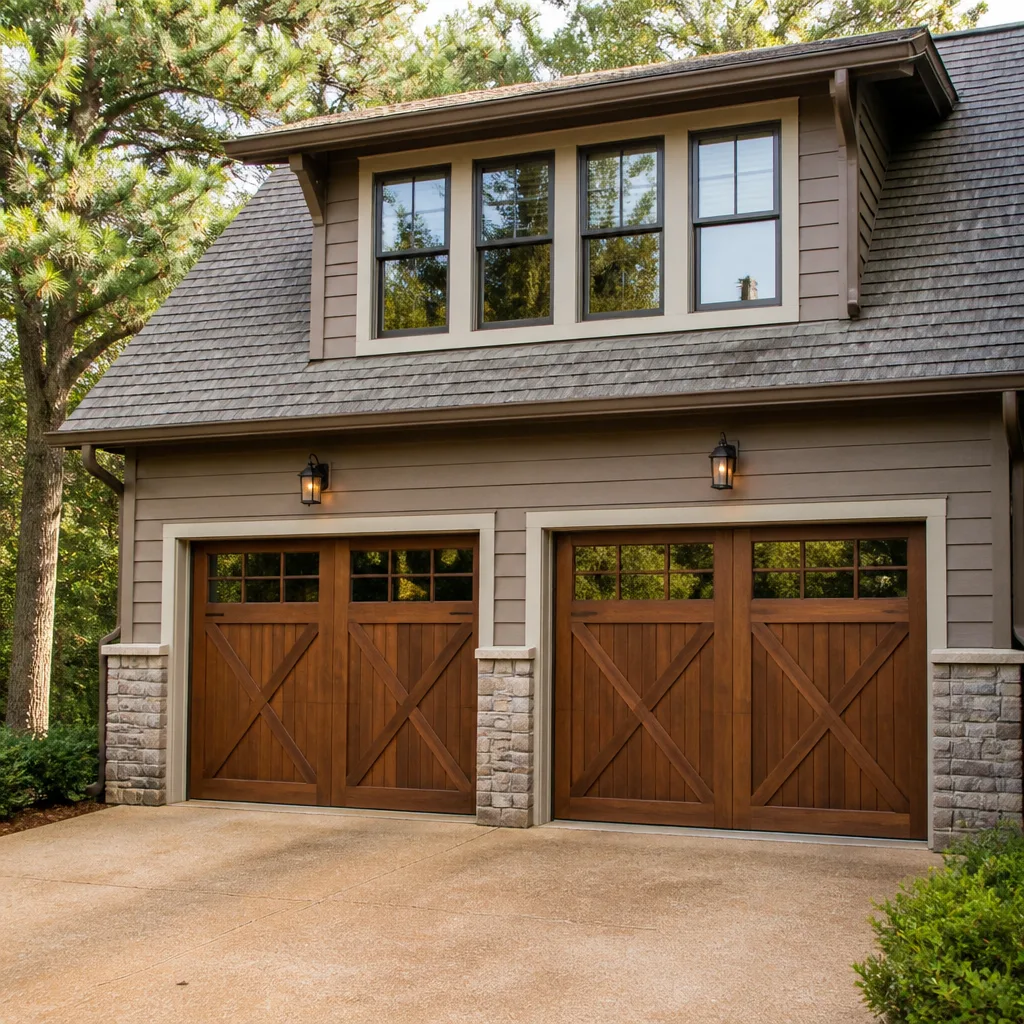 Carriage house
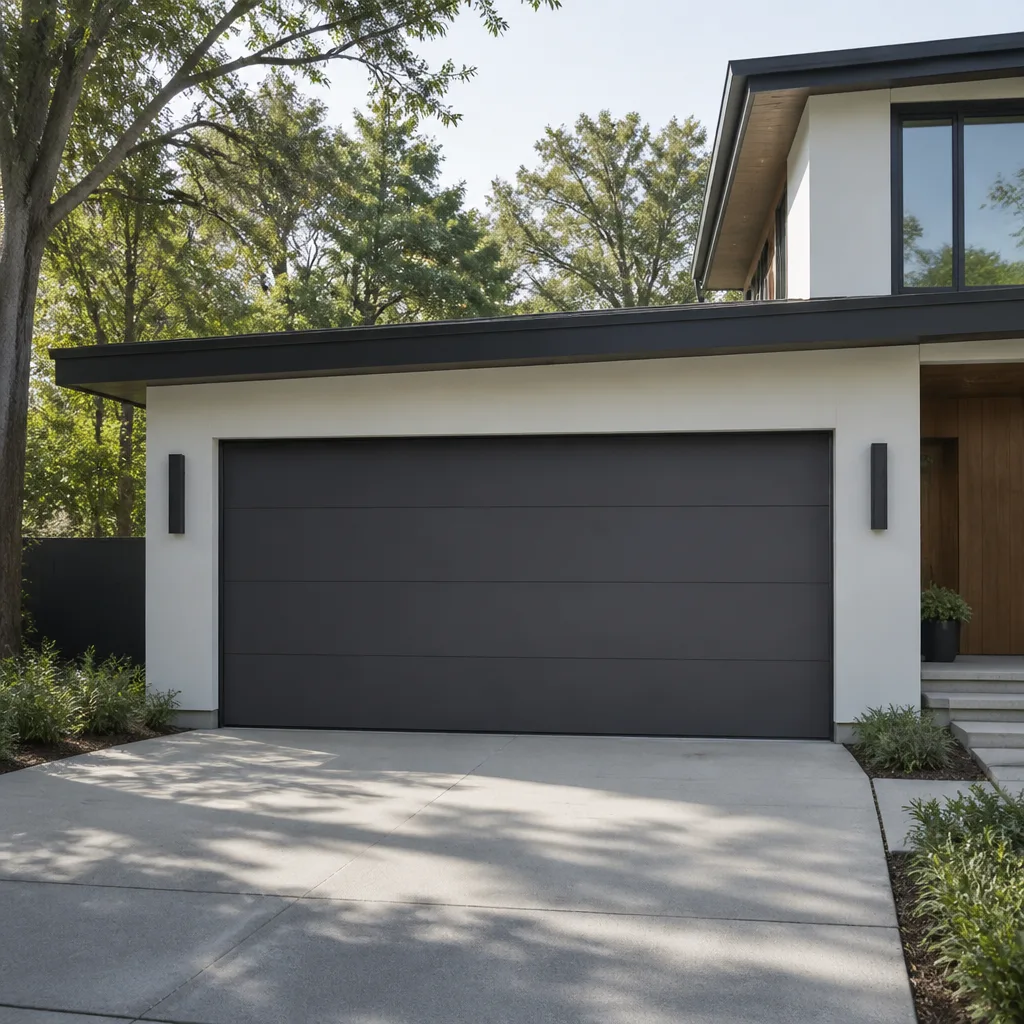 Modern flush
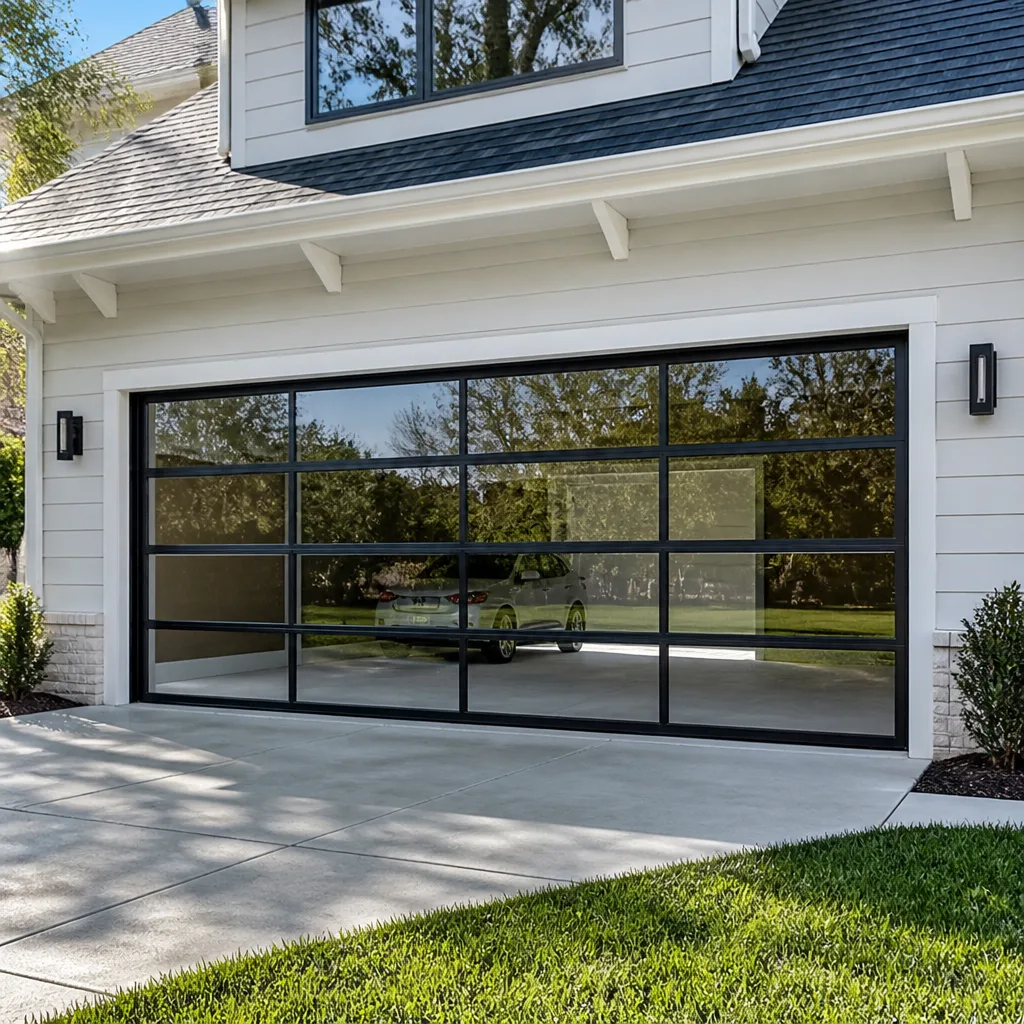 Full-view glass
 LiftMaster openers
 Chamberlain openers
Full 25-point door and opener safety check with every visit - springs, cables, rollers, tracks, and your LiftMaster or Chamberlain opener included
You get a price before we start. It does not change when the pro arrives.
Get your free estimateDIY vs Professional Garage Door: The Canton Homeowner’s Decision Guide
Most homeowners assume the DIY question comes down to skill. It doesn’t. A torsion spring at full tension holds enough stored energy to cause serious injury in a fraction of a second, and that fact alone redraws the line between what you should attempt and what you shouldn’t. Changing a bottom seal is a Saturday project. Touching a wound torsion spring is not a project at all; it’s a calculated risk that professionals train for and homeowners shouldn’t take. This guide separates the two categories precisely, task by task, so Canton homeowners know where the safe DIY line actually sits. You’ll learn which jobs save real money, which ones void warranties, and how to brief a technician when you’ve already diagnosed the problem yourself.
Quick Answer
Genuine DIY garage door work covers weatherstripping, sensor alignment, lubrication, and visual inspections. Everything involving torsion or extension springs, lift cables, and track replacement requires a trained technician because the stored force and tension make failure dangerous and often unrecoverable. For Canton homeowners, the right move is to do the light maintenance yourself and call a specialist the moment springs, cables, or structural parts are involved.
Styles & brands we work with
- Raised-panel steel
- Carriage house
- Modern flush
- Full-view glass
- LiftMaster openers
- Chamberlain openers
Table of Contents
- The decision framework: skill versus risk profile
- Genuine DIY tasks: what you can safely do yourself
- Why torsion springs are not a DIY job
- How DIY work affects warranties and Ohio homeowner coverage
- The hidden cost of a failed DIY attempt
- How to work with a technician when you’ve diagnosed it yourself
- Canton-specific considerations: seasons, housing stock, and brands
- How to choose the right professional for the job
The Decision Framework: Skill Versus Risk Profile
The garage door DIY question gets framed as “how handy are you?” That framing is wrong, and it leads homeowners to under-hire on jobs they should hand off and over-attempt jobs that could hurt them. The better question is: what happens if this goes wrong? Some tasks fail safely. A misaligned sensor means the door won’t close and you try again. A poorly fitted bottom seal means a draft. Those are recoverable. Other tasks fail violently or expensively, and no amount of YouTube preparation changes that.
We sort every garage door task into three tiers. The first tier is safe for most homeowners with basic tools. The second is gray-zone: doable with care but with real consequences if rushed. The third is professional-only because the failure mode is injury, structural damage, or both.
- Tier 1 – safe DIY: weatherstripping, bottom seal replacement, sensor alignment, lubrication, tightening visible bolts, visual inspection, cleaning tracks.
- Tier 2 – proceed with caution: roller replacement, hinge replacement on a door with no tension (door fully down and springs relaxed), and balancing adjustments that don’t involve springs.
- Tier 3 – professional only: torsion spring replacement, extension spring replacement, cable replacement, track realignment or replacement, and any work with the door under tension.
The line between tiers two and three isn’t about your confidence. It’s about what a component does when it fails. A roller that pops out is annoying. A cable that snaps under load is dangerous. The tiers make that distinction concrete so you don’t have to guess.
Genuine DIY Tasks: What You Can Safely Do Yourself
There are real, legitimate garage door tasks homeowners can handle without risk, and doing them extends the life of the door and saves money on service calls. Weatherstripping and bottom seals are the two biggest wins. A cracked bottom seal lets in drafts, water, and pests, and replacing it is a straightforward job with basic tools. Sensor alignment is another one; if the door reverses or refuses to close, the photo-eye sensors are usually misaligned or dirty. Cleaning the lenses and lining them up fixes most of those complaints in minutes.
Lubrication is underrated. A light application of a proper garage door lubricant on rollers, hinges, and the torsion bar bearing plate (not the spring coils themselves) reduces strain on the opener and quiets a noisy door. It’s a fifteen-minute task that keeps the whole system running smoother in Canton’s humid summers and cold winters, where contraction and expansion work on metal parts year-round.
Here’s what a safe DIY maintenance routine looks like:
- Inspect the door monthly with the door closed: look for frayed cables, worn rollers, loose bolts, and rust.
- Test the safety reverse by placing an object in the door’s path and confirming it reverses. Test the photo-eye sensors the same way.
- Lubricate rollers, hinges, and the bearing plate with a purpose-made garage door lubricant twice a year.
- Clean the tracks with a damp cloth and check for dents or debris that could catch a roller.
- Replace a worn bottom seal when you see cracks or gaps at the floor line.
- Check that the door is balanced by disconnecting the opener and lifting it halfway; it should hold position. If it slams or drifts, call a technician.
Everything on that list is safe because none of it involves stored spring tension or load-bearing cables. That’s the boundary. Cross it and the task moves into professional territory.
Why Torsion Springs Are Not a DIY Job
A torsion spring is a tightly wound coil of steel that stores energy to counterbalance the door’s weight. When it’s wound, it’s under enormous tension; a fully wound 200-pound spring holds roughly the equivalent force of a car jack under load. That stored energy is what lifts the door smoothly, and it’s also what makes the spring the single most dangerous component on the whole assembly. When a torsion spring releases unexpectedly, it doesn’t just break; it whips, and the result can be serious injury to hands, arms, and face.
The failure mode isn’t recoverable in the way a normal DIY mistake is. If you slip while winding a spring, you don’t get to re-try carefully; the energy releases instantly and the winding bars can become projectiles. There’s no safe margin for a first attempt. Even experienced technicians use specific winding bars and follow a precise sequence for a reason. Our technicians have up to 12 years of experience, and spring repair is still treated as the highest-risk job on the list.
What usually goes wrong when a homeowner attempts a spring swap:
- The wrong spring is installed because wire gauge and inside diameter have to match the door’s weight and drum, and mismatches fail early or overload the opener.
- The spring is wound the wrong direction, so the door won’t balance or the cables go slack.
- The winding bars slip, releasing stored energy suddenly.
- The cables are left under uneven tension, which stresses the drums and can derail the door.
Springs are also the repair general handymen tend to decline or botch, which is why a specialist matters here. We cover garage door repair for exactly these high-stakes failures, and spring work is a core part of that, not an afterthought. If a spring has snapped, don’t run the opener; call and let a technician take it from there.
How DIY Work Affects Warranties and Ohio Homeowner Coverage
DIY work can cost you more than the repair itself if it touches your opener warranty or your homeowner’s policy. Most opener manufacturers require professional installation and service to keep the warranty valid, and a repair done by anyone other than a qualified technician can void coverage on the motor, logic board, or safety reverse system. If your opener is a LiftMaster, Chamberlain, Genie, or Craftsman unit, the warranty terms usually specify that service must be performed by a qualified professional. Doing it yourself, or hiring an unqualified handyman, can leave you with a dead opener and no warranty recourse.
Homeowner’s insurance is the second consideration. Most Ohio policies cover sudden accidental damage, but they typically exclude damage caused by improper repairs or negligent maintenance. If a DIY spring replacement fails and the door comes down on a car or a person, the claim can be denied because the damage traces back to a non-professional repair. That’s a real financial exposure, and it’s hard to unwind once it happens. Before you attempt anything beyond Tier 1, check your policy language or call your agent and ask directly. It’s a five-minute call that can save a large headache.
The Hidden Cost of a Failed DIY Attempt
A failed DIY repair rarely stays the size of the original problem. A $40 spring kit can turn into a much larger repair when the wrong spring overloads the opener or a slipped winding bar bends a track. The door’s components are a system; when one part is wrong, it stresses the others. A spring installed with the wrong tension makes the opener work harder, which shortens motor life. A cable left unevenly tensioned can derail a drum, and a derailed door can twist a panel or bend a track. What started as a small part swap becomes a track replacement, a panel replacement, or an opener replacement.
The pattern repeats because the parts are interdependent. Torsion springs, cables, drums, and the opener all share the load, so an error in one telegraphs to the rest. Homeowners often don’t notice the secondary damage until weeks later, when the door starts binding or the opener starts straining. By then the original fix is buried under new problems. Professional work prices the whole system, not just the part, which is why the up-front cost often comes out lower than the total cost of a DIY attempt that cascades.
The way to avoid the cascade is to know where the system boundary sits. Anything that changes tension, load, or alignment is a system job, not a part job. Simple swaps stay simple; anything that touches the counterbalance mechanism belongs to a technician who can verify the whole assembly afterward. We connect Canton homeowners with independent local pros who diagnose by brand rather than by trial and error, which is how a single visit resolves the issue instead of starting a chain of them.
How to Work With a Technician When You’ve Diagnosed It Yourself
Diagnosing the problem yourself is useful; it speeds up the visit and helps the technician arrive prepared. The key is knowing what to tell them and what not to touch before they arrive. Your job is to observe and report, not to intervene. A photo of the broken part, the door’s brand (Clopay doors and LiftMaster openers are common in Canton, but Amarr and Wayne Dalton are everywhere too), and a clear description of the symptom gets the technician further than a half-disassembled door.
Here’s the handoff that works:
- Note the exact symptom: won’t open, opens partway, reverses immediately, makes a bang, or runs but the door doesn’t move.
- Photograph the broken or suspect component from a safe distance, with the door fully closed and the opener disconnected if you can do so safely.
- Write down the door brand and opener brand if visible on the labels.
- Do not remove springs, cut cables, or loosen track bolts before the technician arrives. Leave the system intact so it can be assessed accurately.
- Tell the technician what you’ve already tried, including any parts you replaced, so they don’t repeat steps.
That last point matters. A homeowner who already swapped a sensor and a remote saves the technician diagnostic time, but a homeowner who already “adjusted” a spring can turn a clean repair into a rescue. The rule is simple: observe, photograph, report. Don’t touch anything under tension. When you’re ready, our garage door opener repair team can pick up from your diagnosis and confirm the cause before any work starts.
Canton-Specific Considerations: Seasons, Housing Stock, and Brands
Canton’s climate is hard on garage doors. Winters bring repeated freeze-thaw cycles, and summers run humid, which together work on metal, wood, and seals. Springs fatigue faster in cold snaps, and bottom seals crack sooner than in milder climates. Older housing stock in neighborhoods like Plain Center and the blocks around the Stark County Fairgrounds often has doors that have seen many winters, which means worn rollers and stretched cables are common. That wear makes the DIY-versus-professional question more urgent: a door that’s already tired is less forgiving of an error.
The brand mix matters too. Canton homes carry a wide range of doors and openers, from Clopay and Amarr steel doors to Wayne Dalton and Craftsman systems. Different brands have different spring configurations, drum designs, and opener logic, so a generic approach doesn’t work. We’re certified to work on eight major brands, including LiftMaster, Chamberlain, Genie, Clopay, Amarr, Wayne Dalton, Craftsman, and Raynor, which means the technician already knows your system instead of guessing at it. If you’re weighing a full replacement rather than a repair, our garage door installation service handles the measure, order, and install as a single job.
One local note on timing: Canton homes that face long winters benefit from a pre-season inspection in fall, before the first hard freeze tests a tired spring. A spring that’s on its last legs tends to fail on the coldest morning, when the door is stiff and the tension is highest. Catching it in October is cheaper and calmer than fixing it in January. If you’re not sure of your door’s condition, a quick inspection tells you whether you’re in DIY territory or professional territory.
How to Choose the Right Professional for the Job
When the job is Tier 3, the choice of professional matters as much as the decision to hire one. A general handyman may accept a spring job and then decline once they see it, or worse, attempt it without the right tools. The right specialist is one who works on your brand regularly, carries the correct parts, and treats the high-risk jobs as routine rather than a stretch. Ask three questions before you book: which brands do you service, do you handle spring work in-house, and is the price quoted before work begins?
Those questions filter out the generalists quickly. A specialist answers all three without hesitation and can tell you how they’ll approach your specific door. Because we cover repair, opener repair, spring repair, and new installation as one specialty, you don’t get handed off to a second company partway through. One call resolves the issue at any stage of the door’s life, from a snapped spring to a brand-new door. It’s the same reason we’ve built depth across the eight major brands rather than dabbling: parts knowledge reduces return visits, and a technician who already knows the brand of your Clopay or Amarr door doesn’t spend the first visit learning it. For emergency situations, the Canton Garage Door Repair Co team fields urgent calls as a core offering, not a side service.
Common Mistakes to Avoid
- Winding a torsion spring without winding bars. Using a screwdriver or a make-do tool invites a slip and a sudden release. Buy or borrow the correct bars, or don’t start.
- Replacing one spring of a matched pair. Springs wear together; a new spring paired with a tired one loads unevenly and fails sooner. Replace both as a set.
- Ignoring the opener’s limits after a repair. When a spring is replaced, the opener’s travel limits and force settings often need adjustment. Skipping that step strains the motor.
- Cutting a cable to “release” a stuck door. A cable under load can whip; leave it and call a technician. This is the most common dangerous shortcut we hear about in Canton.
- Assuming a handyman covers springs. Many decline the job or attempt it without the right tools. Confirm spring capability before you book anyone.
- Skipping the fall inspection. Canton’s freeze-thaw cycles wear springs faster; catching a tired spring before winter avoids a cold-morning failure.
- Replacing a door when a repair would do. A worn seal or noisy roller doesn’t mean a new door. Get a professional assessment before committing to replacement.
See the difference
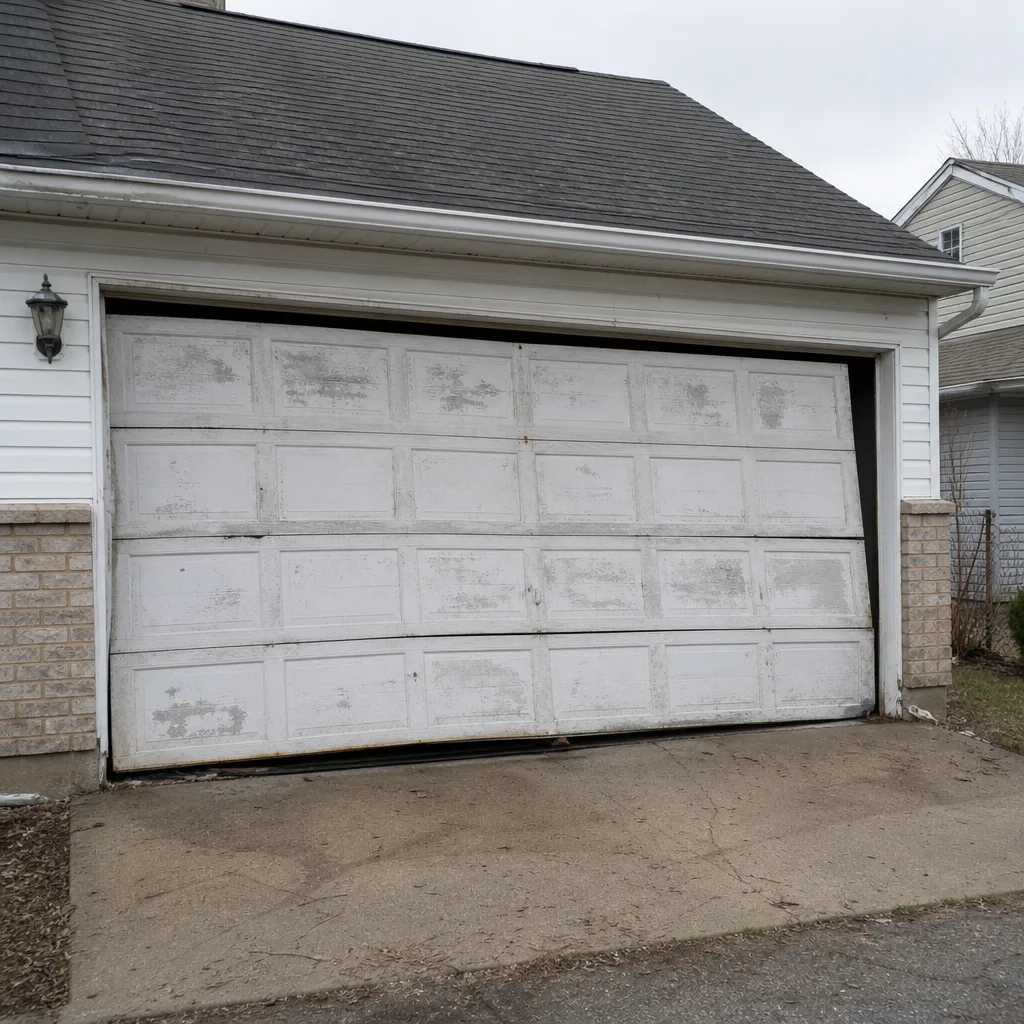 Before
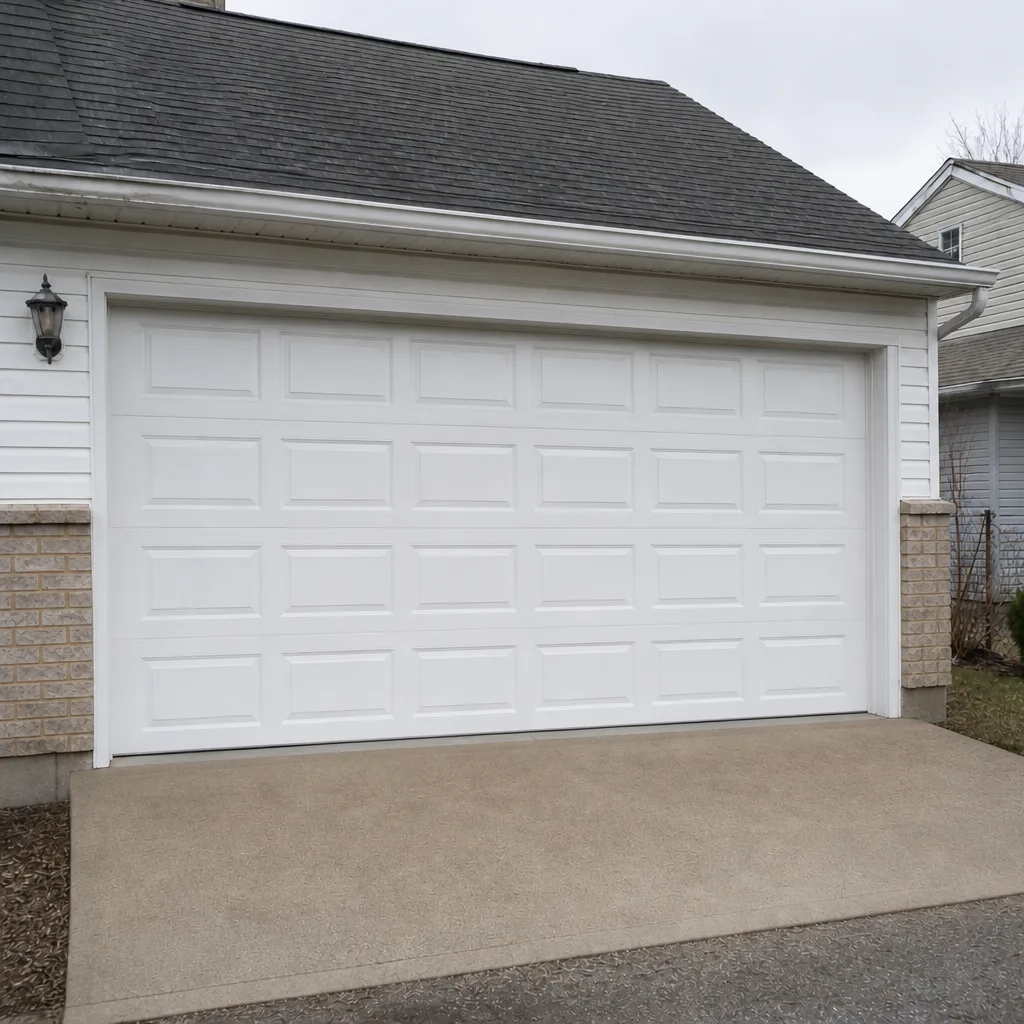 After
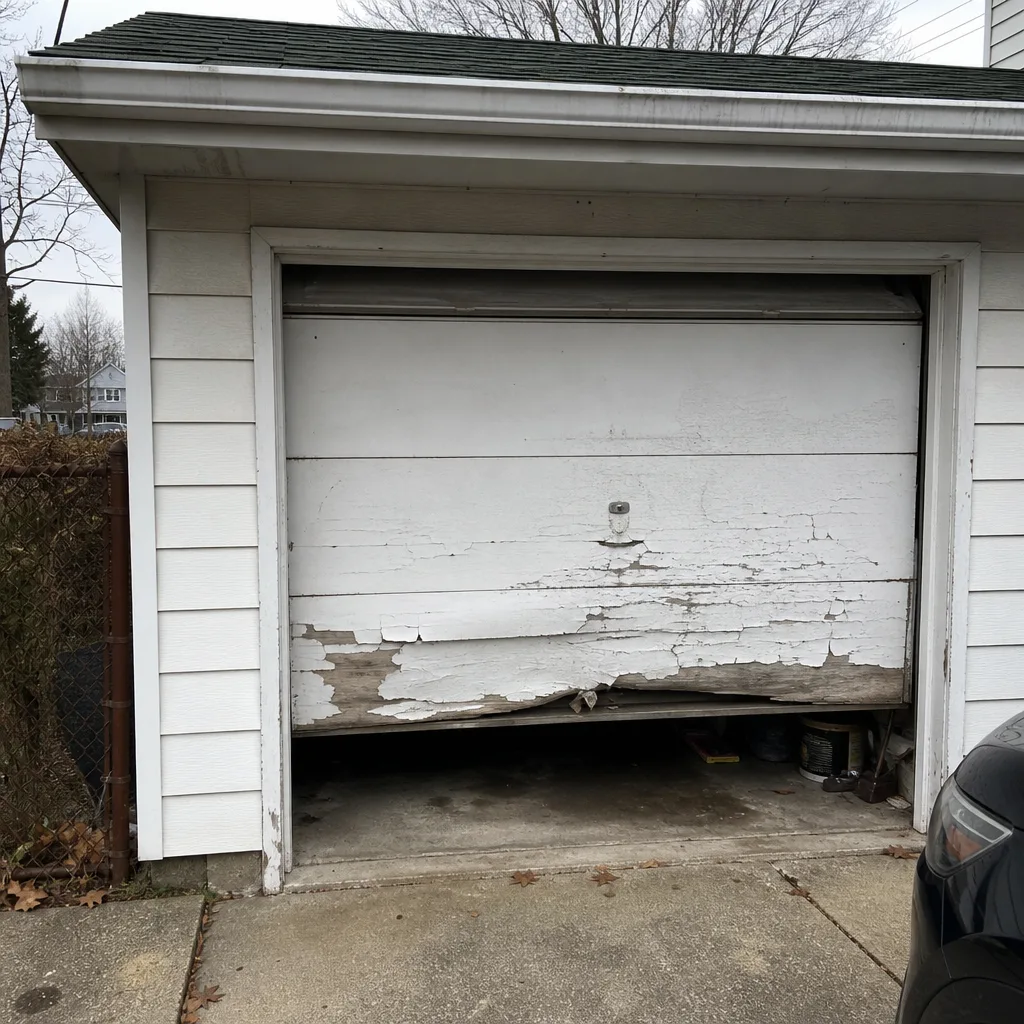 Before
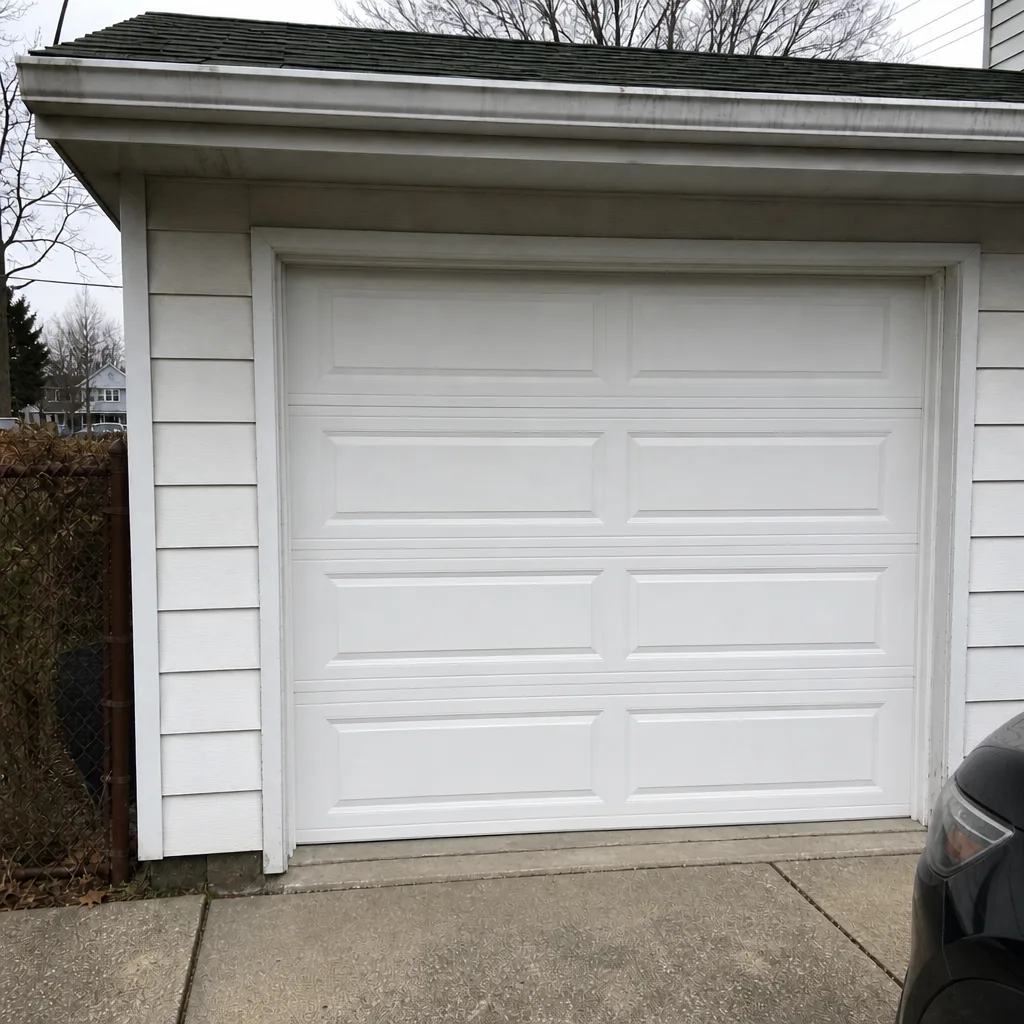 After
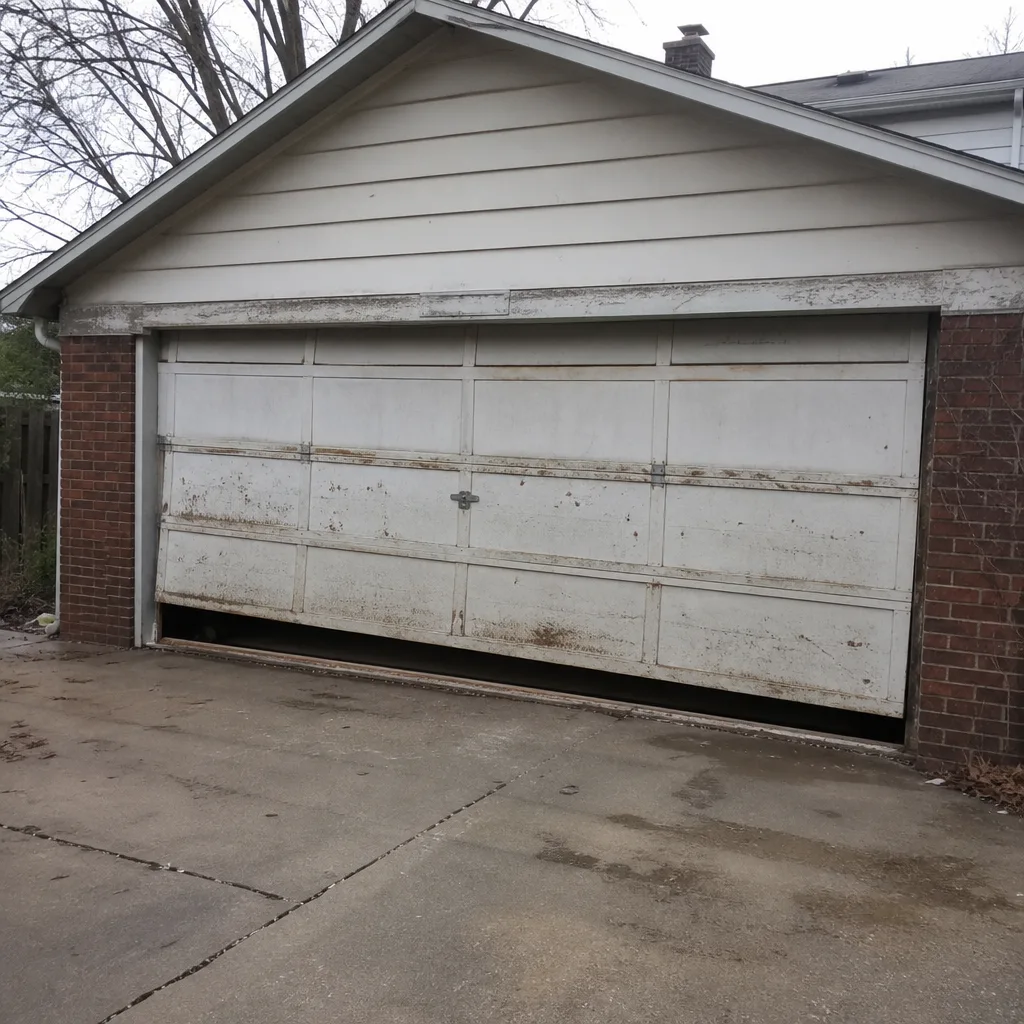 Before
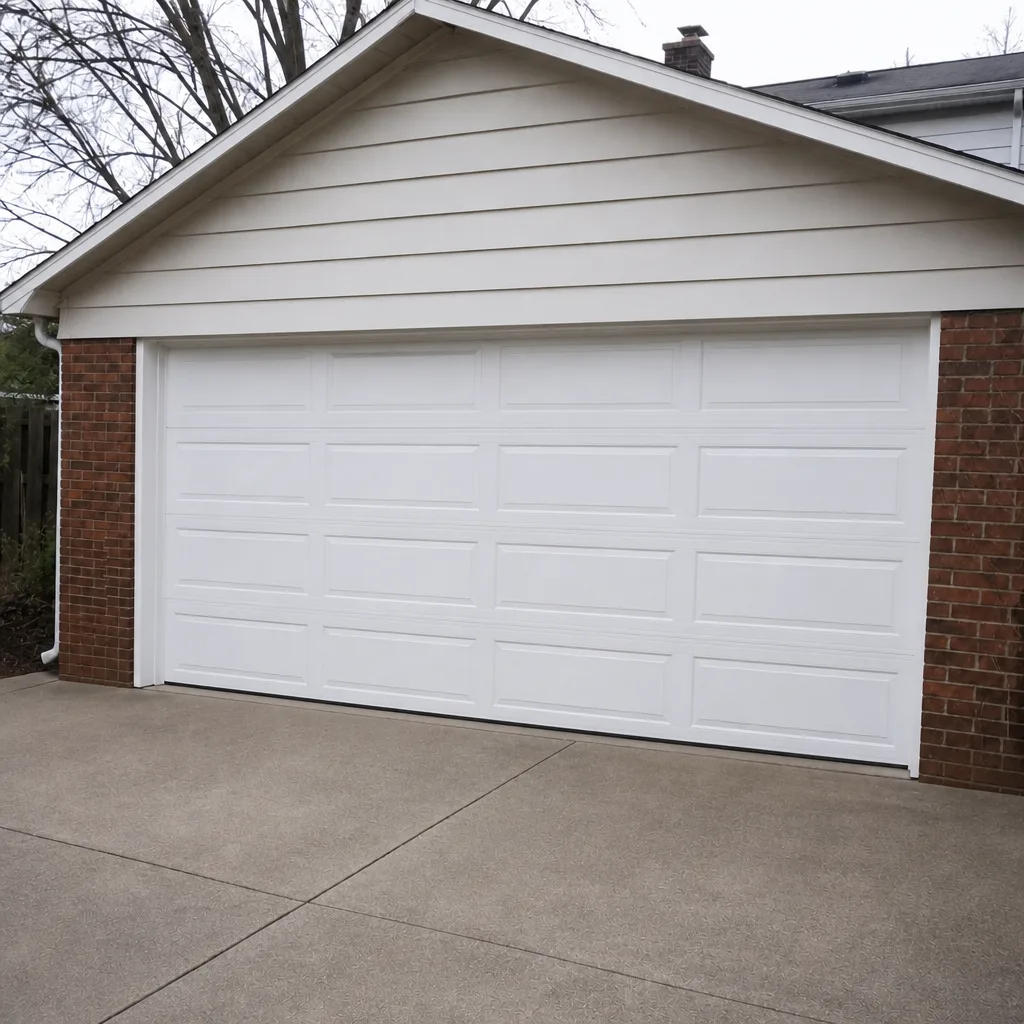 After
When to Call a Professional
Call a professional the moment the job involves a spring, a cable, a bent track, or a door that’s off its balance. Call sooner if the door is stuck open, stuck closed, or has come off a track, because that’s an access and safety issue. If you’ve already tried a Tier 1 fix and the problem persists, that’s a sign the issue is deeper. We offer free estimates in Canton, and the price is quoted and agreed before any work starts, so you know the number before anyone touches the door. Emergency garage door service is available for blocked access. Canton Garage Door Repair Co offers free estimates in Canton. Call (877) 764-8983 for a free estimate.
Frequently Asked Questions
No. A torsion spring stores enough energy to cause serious injury when released, and there’s no safe margin for a first attempt at winding one. The correct winding bars and sequence exist for a reason, and even experienced technicians treat spring work as the highest-risk job on the door. Call a professional instead.
Weatherstripping, bottom seal replacement, sensor alignment, lubrication, cleaning tracks, and visual inspections are safe DIY tasks. These don’t involve stored spring tension or load-bearing cables. Anything that changes tension, load, or alignment belongs to a technician. Call (877) 764-8983 if you’re unsure which category your job falls into.
It can. Most opener manufacturers, including LiftMaster, Chamberlain, Genie, and Craftsman, require qualified professional service to keep the warranty valid. A DIY repair can void coverage on the motor or safety reverse system. Check your opener’s warranty terms before you attempt a repair yourself.
Usually not. Most Ohio policies cover sudden accidental damage but exclude damage from improper repairs or negligent maintenance. If a DIY spring fails and the door damages a car or injures someone, the claim can be denied. Call your agent to confirm your policy’s language before attempting anything beyond Tier 1.
Yes. A clear description, photos of the part, and the door and opener brands speed up the visit. Just don’t touch anything under tension before the technician arrives. Same-day and emergency service are available, and the price is quoted before work starts.
We’re closed Saturday, and we’re open Sunday through Friday, 7am to 7pm. If a door fails over the weekend, call Sunday and we’ll book the visit. Call (877) 764-8983 for an exact quote; estimates are free.
The Bottom Line
The DIY-versus-professional question isn’t about how handy you are. It’s about what happens when the job fails. Weatherstripping, sensor alignment, and lubrication are safe, money-saving tasks worth doing yourself. Springs, cables, and track work carry injury risk and can void warranties, so they belong to a technician. Canton homeowners get the best result by drawing that line precisely: do the light maintenance, call a specialist for the high-stakes parts, and brief the technician well when you’ve already diagnosed the problem. One call resolves it, and the written estimate sets the price before work starts.
Written by the team at Canton Garage Door Repair Co.